

The trick to pairing wine with Japanese food is to match the intensity of the dish to the intensity of the wine. Light sashimi and tempura love a crisp white or sparkling; richer dishes built on soy and dashi suit a fuller white or a light red.
Japanese food × wine quick-reference
| Dish | Recommended wine | Why |
|---|---|---|
| Sashimi & sushi | Sauvignon Blanc, sparkling | Freshness and acidity lift the seafood's umami |
| Tempura | Sparkling, light Chardonnay | Bubbles and acidity cut the oil |
| Grilled or simmered fish | Pinot Grigio, dry white | Complements the fish fat and dashi umami |
| Sukiyaki & teriyaki | Light red (e.g. Sangiovese) | Fruit harmonises with sweet-savoury soy |
| Beef steak | Cabernet Sauvignon | Tannins wash away the fat |
Three tips for pairing wine with Japanese food
(1) Match colours (white wine with white fish, red with red meat), (2) match intensity, and (3) keep an eye on "umami" elements like soy, dashi and aromatics, and you will rarely go wrong.
Detailed pairings by dish
For sashimi and sushi
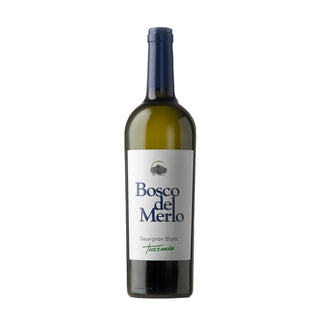
For sashimi and light sushi, reach for a Sauvignon Blanc with crisp acidity and citrus aroma. The Turranio from Friuli brings fresh acid and a herbal finish that lifts seafood umami beautifully.

For sukiyaki and soy-based dishes
For simmered or glazed dishes with soy and mirin, a fruit-forward Sangiovese with gentle tannins is a natural match. Umami-rich washoku shares the same "glutamate-forward table" as Italian braised dishes, which is why Sangiovese works in both contexts.

Umami and Italian wine: a discovery from 1908
There is a scientific reason why Italian wine feels so at home with Japanese food. In 1908, chemist Kikunae Ikeda at Tokyo Imperial University analysed kombu dashi and identified glutamic acid as the source of savouriness, naming it "umami." That same compound is the backbone of dashi, soy sauce and miso.
Italian cuisine is built on the same molecule. Aged Parmigiano-Reggiano, salt-cured anchovies, sun-dried tomatoes: all are exceptionally rich in glutamates. Italian wines have evolved alongside these foods for centuries. So when a Sangiovese lands beautifully next to a soy-braised dish, it is not a coincidence: both speak the same umami language.
If in doubt
Not sure what to choose? Start with versatile sparkling wine. It works with Japanese food across the board, from the first toast to the last bite.
FAQ
Q. Does red wine really not work with Japanese food?
A. It can. Soy- and dashi-based dishes like teriyaki and sukiyaki pair nicely with a gently tannic light red such as Sangiovese.
Q. What should a beginner try first?
A. Sparkling wine is the most fail-safe and pairs with a wide range of Japanese dishes.
Q. Isn't sake a better match than wine?
A. Sake is a great pairing, but wine brings acidity and fruit that can highlight a dish in its own way. A dry sparkling cuts tempura oil exceptionally well, and Sangiovese's acidity provides a clean finish to sukiyaki's sweet-savoury glaze. Rather than choosing one over the other, pairing each wine to its best dish is the sommelier's approach.
Q. What wine suits strong soy or dashi flavours?
A. The principle is "meet umami with umami." Glutamate-rich soy and dashi dishes pair well with fruit-forward Italian reds (Sangiovese, Primitivo) that are rich in savouriness. Choose a light-to-medium red with moderate tannins so the wine does not overwhelm the gentle flavours of Japanese cooking.
Q. Does sweet wine work with Japanese food?
A. Sweet wine can work as a contrast pairing with fried or lightly spiced dishes. That said, pairing sweet wine with soy and dashi can make the sweetness feel overdone. Saving a glass for dessert or Japanese confectionery is usually the better approach.


Comments (0)
There are no comments for this article. Be the first one to leave a message!