

The key to pairing wine with steak is balancing fat content with tannin structure. Protein in red meat softens tannin's grip, while the wine's fruit brings out the savory depth of the meat — one of the oldest culinary pairings in the world.
Florence's most celebrated dish, Bistecca alla Fiorentina, traces its origins to 1565. Cut from Chianina cattle — one of Europe's oldest breeds, dating to ancient Rome — the steak is measured by finger-widths at the butcher (authentic Fiorentina is three to four fingers thick, around 8 cm), seared over wood, and served rare inside. The traditional accompaniment is Chianti Classico or Morellino di Scansano — both Sangiovese-based wines from Tuscany. Understanding why that combination works makes choosing wine for steak at home much easier.
Common Mistake: "Just Pick Something Heavy"
The instinct to reach for the boldest, heaviest red can backfire. On delicate cuts like filet (tenderloin), a tannic Cabernet Sauvignon overwhelms the meat's subtle flavor. What matters isn't overall body — it's tannin quality and fruit ripeness. Match the weight of the wine to the fat level of the cut.
Key Pairing Principles
| Factor | Guideline |
|---|---|
| Tannin | Higher fat content calls for firmer tannins (sirloin, ribeye) |
| Acidity | Good acidity acts as a palate cleanser (common in Sangiovese) |
| Fruit | Ripe fruit notes amplify the meat's savory character |
| Temperature | Serve reds at 17–18°C — too cold and tannins feel harsh |
Pairing by Cut
Sirloin and Ribeye (higher fat): The marbling in these cuts can take on firm tannins. Primitivo, Syrah, and Sangiovese all work well — the fat absorbs the tannin structure and the wine seems to soften and open up in the glass.
Filet and Tenderloin (lean, delicate): Preserve the subtle flavor of lean cuts with a wine that has moderate tannins and fresh fruit. Sangiovese — especially Morellino di Scansano — or Barbera are excellent here. The elegant fruit wraps around the meat without overpowering it.
Wagyu (richly marbled, nuanced): Wagyu fat melts at low temperatures and has a distinctive sweetness. Avoid very tannic wines, which can amplify the richness. A medium-bodied Puglia or Tuscan red with ripe fruit and moderate tannins hits the sweet spot.
Steak Pairings in a Japanese Context
What surprises guests most is how well Sangiovese works with wagyu. In Tuscany, pairing fatty Chianina beef with the slightly acidic Sangiovese is completely standard — the acid cuts through the fat and resets the palate so each bite tastes as fresh as the first. That same mechanism works beautifully with wagyu's rich marbling.
If you prefer your steak more well-done, lean toward a fruit-forward Primitivo. The riper, sweeter fruit profile complements the caramelized surface of more cooked meat.
Federico's Recommendation
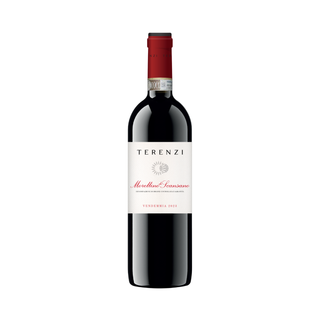
The wine I reach for most often with steak is Terenzi's Morellino di Scansano — a Sangiovese-based red from the Maremma coast of Tuscany. It has firm but silky tannins, ripe cherry and plum, and a spiced finish. Versatile enough for both a lean filet and a marbled sirloin.
Pairing Summary
A simple rule: the more fat in the cut, the more structure you want in the wine. High fat → firm tannins. Lean cut → moderate tannins, higher acidity.
For other meat and food pairings: Pasta and Wine and Japanese Food and Wine are worth reading too.
FAQ
Q. Can white wine work with steak?
A. It can, but the iron in red meat often clashes with white wine's acidity, creating a metallic note. Thinly sliced beef or beef carpaccio can work well with white or rosé.
Q. Does the wine need to be expensive?
A. Price matters far less than matching the cut. A ¥2,000–3,000 Sangiovese paired with a marbled sirloin can be genuinely spectacular.
Q. I find tannins bitter — is there a steak-friendly option?
A. Sangiovese's tannins are silky rather than grippy, and they soften further when paired with food. Start with Morellino di Scansano — it is one of the most food-friendly reds we carry.
Q. What temperature should I serve the red wine?
A. Aim for 17–18°C. Take the bottle out of the fridge 30–40 minutes before serving. Tannins feel noticeably harsher when wine is too cold.
Q. Should I open the wine early?
A. For a structured red, pouring into the glass 15–30 minutes before the meal (using the glass itself as a mini-decanter) softens the tannins and brings out more rounded, integrated flavors.
Pairing wine with steak doesn't need to be complicated. Start with the cut and its fat level, then match from there.


Comments (0)
There are no comments for this article. Be the first one to leave a message!