

The key to pairing wine with seafood is matching the richness of the fish to the weight of the wine. "White wine with fish" is a reliable starting point, but it is a principle, not an absolute rule. Preparation method and sauce matter just as much as the fish itself — sometimes a rosé or light red outperforms any white.
On the island of Sardinia, in the coastal town of Cabras, bottarga — salt-cured, sun-dried mullet roe — has been produced for more than 2,500 years. Sliced paper-thin and served with a glass of chilled Vermentino di Sardegna, it is the quintessential local pairing. In Sardinia this combination is so embedded in everyday life that suggesting anything else would earn you a laugh from the fishermen. That is how deep the bond between seafood and white wine runs in Italian coastal culture.
Common Mistake: "White Wine Always, No Exceptions"
White wine is the most versatile match for seafood, but absolute rules have genuine exceptions. Fatty fish like grilled salmon, tuna steak, or eel with a rich sauce can pair well with light, low-tannin reds such as Pinot Noir or Barbera. Conversely, pairing delicate raw fish or oysters with heavily oaked Chardonnay tends to overwhelm subtle flavors. A useful shortcut: match the intensity of the fish to the intensity of the wine.
Quick Reference: Seafood and Wine Pairings
| Seafood / Preparation | Best Wine Match |
|---|---|
| White fish sashimi / carpaccio | Crisp dry white (Sauvignon Blanc, Arneis, Vermentino) |
| Shellfish (oysters, clams, mussels) | Mineral white (Sauvignon Blanc, Vermentino) |
| Shrimp / calamari (steamed or grilled) | Aromatic white (Viognier, Arneis) |
| Grilled salmon / tuna | Rosé or light red (Pinot Noir) |
| Seafood pasta (vongole, pescatore) | Crisp dry white (Sauvignon Blanc, Vermentino) |
| Fried fish / tempura | Sparkling (Prosecco) or dry white |
Seafood Culture in Japan and Wine
Italian white wine pairs better with Japanese seafood than most people expect. The detail that surprises guests most is how well Arneis complements soy-based sashimi. The saltiness of soy sauce amplifies the wine's acidity and draws out the fish's umami. The wisdom that coastal Italian fishermen developed over centuries turns out to apply beautifully to Japanese tables as well.
A practical tip for home use: chill white wine to 8–10°C before serving alongside sashimi. Pour a glass, taste the wine first, then taste it again with the fish. The difference is immediately clear.
Federico's Recommendation
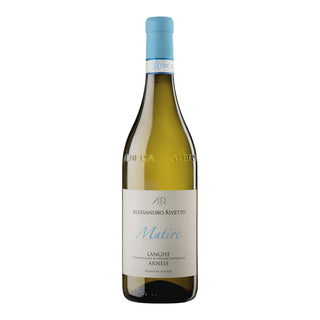
The wine I reach for most when serving seafood is Arneis from Piedmont. Langhe Arneis by Alessandro Rivetto has notes of white peach, acacia blossom, and a subtle almond finish that harmonizes beautifully with fresh fish. It handles everything from raw sashimi to shellfish pasta.
Selection Summary
When in doubt: delicate seafood calls for a bright, crisp dry white; fatty or richly sauced seafood pairs better with a fuller white or rosé. If choosing by origin, coastal producers (Sardinia, Veneto, southern France, New Zealand) tend to make natural seafood wine partners.
Also worth reading: Wine with Sushi and Wine with Japanese Food.
FAQ
Q. Can red wine work with seafood?
A. High-tannin reds often clash with raw fish, creating a metallic aftertaste. That said, fatty fish like grilled salmon or tuna steak can pair well with light, low-tannin reds such as Pinot Noir or Barbera.
Q. What temperature should I serve white wine?
A. Light, crisp whites are best at 8–10°C. Take the bottle out of the fridge and pour immediately — it will naturally warm in the glass to an ideal serving temperature.
Q. Does sparkling wine work with seafood?
A. Exceptionally well. Prosecco and other dry sparkling wines are a particularly great match for fried seafood and tempura — the bubbles cut through the oil and refresh the palate.
Q. Can white wine work alongside soy sauce and wasabi?
A. Yes. Soy sauce's salt content amplifies the wine's acidity and enhances umami. Wasabi's herbal sharpness pairs naturally with the slightly aromatic quality of Arneis or Sauvignon Blanc.
Q. Isn't sake the natural choice with Japanese seafood?
A. Sake is wonderful, but wine is equally at home. In Sardinia, fishermen pair their most prized seafood — bottarga, the Italian equivalent of karasumi — with Vermentino every day. The pairing of wine and seafood is validated across cultures.
The simplest rule for pairing wine with seafood: match the richness of the fish to the weight of the wine. Start there and everything else follows.


Comments (0)
There are no comments for this article. Be the first one to leave a message!