

Wine doesn't pair with Japanese food — that's a misconception. The flavors of washoku — soy sauce, dashi, mirin, and rice vinegar — are rich in umami, with balanced salt and acidity that makes them highly compatible with wine. As an Italian wine importer living in Tokyo, I've paired Italian wine alongside Japanese food countless times. Here's what I've learned.
The Common Misconception: "Tannins Don't Work with Japanese Food"
You'll often hear that heavily tannic reds clash with soy sauce. It's partially true: pair a very high-tannin wine with sashimi and you may get a metallic aftertaste. But moderate-tannin wines are a different story. The umami compounds in Japanese food (glutamic acid, inosinic acid) actually soften a wine's tannins, producing a surprisingly smooth pairing. What matters is not the amount of tannin, but its texture — smooth and ripe versus harsh and grippy.
Japanese Flavor Profiles and Pairing Principles
| Japanese Flavor Element | Wine Characteristics That Match |
|---|---|
| Umami (dashi, soy sauce) | Aged reds with savory depth, or mineral whites |
| Salt (salt, soy sauce) | High-acid whites, dry sparkling wines |
| Acidity (vinegar, citrus) | Light whites or sparkling wines with matching acidity |
| Sweetness (mirin, sugar) | Fruity reds (Primitivo, Sangiovese) |
| Bitterness (sansho, bitter melon) | Light-tannin reds or dry whites |
Pairing by Dish
| Dish | Recommended Wine | Why It Works |
|---|---|---|
| Sashimi / Sushi | Dry sparkling (Prosecco) | Bubbles reset the palate, acidity harmonizes with soy |
| Yakitori (tare glaze) | Primitivo | Rich fruit matches the sweet-savory sauce |
| Yakitori (shio / salt) | Dry white (Grillo, Inzolia) | Lifts the clean flavor of the ingredient |
| Sukiyaki / Shabu-shabu | Primitivo, Sangiovese | Full-bodied red stands up to beef fat and sweet-savory broth |
| Tempura | Sparkling or light white | Bubbles and acidity cut through frying oil cleanly |
| Hot pot / Nabe | Medium-light red | Doesn't overpower the dashi broth, integrates seamlessly |
An Italian Idea That Translates Perfectly to Japan
In Puglia, butcher shops (macellerie) often have grills set up inside, where you can eat chargrilled meat on the spot — a tradition known as "braceria." Watching locals eat bombette (stuffed pork rolls) while drinking Primitivo by the glass is essentially the same experience as a Tokyo yakitori izakaya. Wine isn't a special-occasion drink: it belongs at the meal. Try bringing that feeling to your Japanese dinner table.
A practical home tip: serve red wine slightly chilled, around 15°C, to soften the tannins and make it food-friendlier. Even without a decanter, pour the wine and let it rest in the glass for five minutes — the aromas open, the texture smooths out.
Federico's Recommendations
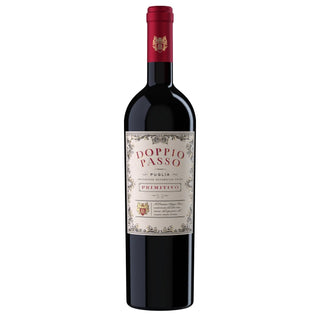
The wine I reach for most often as an introduction to Japanese food pairing is the Primitivo di Manduria from Puglia — rich in fruit, smooth in tannin. It fits naturally alongside yakitori tare, nikujaga, and sukiyaki.
For sashimi and tempura, the Prosecco Millesimato Brut is my go-to — dry and crisp, it refreshes the palate between bites. The Grillo del Barone from Sicily is excellent with salt-seasoned dishes and white fish.
How to Choose and Serve
When shopping for wines to pair with Japanese food, look for moderate or soft tannins and good fruit-acid balance. Serving temperatures: whites and sparkling at around 8°C, rosé at 10°C, reds at 14–16°C. At home, pour whites straight from the fridge and put reds in for 20 minutes before serving.
A useful analogy: Pairing Italian wine with Japanese food follows the same logic as pairing sake — both are built on the principle that regional food and drink grow up together. Wines made for food tend to harmonize with the structure of Japanese cuisine.
FAQ
Q. Is red wine always wrong with sashimi?
A. Not always, but heavy-tannin reds are risky. Light-bodied reds like Pinot Noir can work. Sparkling or dry white is the safest choice.
Q. Why does soy sauce pair so well with wine?
A. The umami compounds in soy sauce (glutamic acid, inosinic acid) soften a wine's tannins and round out the texture. The salt also amplifies the wine's acidity, lengthening the finish.
Q. How do I build a wine pairing across a full Japanese course?
A. Start with dry sparkling or white for appetizers and sashimi, move to red (Primitivo or Sangiovese) for grilled and simmered dishes, and finish with a light sweet wine for dessert.
Q. What's the most important thing when choosing wine for Japanese food?
A. Don't go too strong. Start with something fruity and approachable like Primitivo, and the pairing almost takes care of itself.
Open a bottle of Primitivo on your next yakitori night. You might be surprised how naturally it belongs at the table.


Comments (0)
There are no comments for this article. Be the first one to leave a message!