

Why Is Hamburg Steak the Hardest Wine Pairing in Japanese Home Cooking?
Pairing wine with Hamburg steak (hambagu) means matching the sauce, not just the meat. The patty itself is mild: ground pork and beef blended with onion, milk, and egg, shaped into an oval and pan-seared. It is the sauce applied at the end of cooking that defines the dish's flavor profile and determines which wine will work alongside it.
The Common Misconception
Many people assume that Hamburg steak always calls for a full-bodied red wine. This is only half right. A demi-glace sauce, rich and wine-dark, does want a structured red. But a ponzu Hamburg is a completely different dish: bright, acidic, and refreshing. It calls for a white or a light red. Getting the sauce right is the key to getting the pairing right.
Taste Profile of Hamburg Steak
| Element | Character |
|---|---|
| Body | Medium (soft texture from binding ingredients) |
| Acidity need | Varies by sauce |
| Tannin tolerance | Low to medium (avoid very tannic reds) |
| Aroma anchors | Umami, caramelized onion, meat fat |
| Serving temperature | Served hot; prefer wines at 14 to 18 degrees Celsius |
Pairing by Sauce Type
| Sauce | Wine Style | Notes |
|---|---|---|
| Demi-glace | Primitivo, Sangiovese | Deep fruit and gentle tannin match the rich reduction |
| Tomato | Sangiovese, Barbera d'Alba | The natural acidity of Italian reds mirrors tomato's brightness |
| Ponzu (citrus soy) | Vermentino, dry white | Citrus acidity in the wine echoes the brightness of ponzu |
| Teriyaki | Off-dry rose, light red | Sweetness in the sauce needs a wine with some residual warmth |
| Cheese fondue | Primitivo, Zinfandel | Rich cheese is tamed by bold, fruit-forward reds |
A Cultural Note: Puglia's Sunday Braciole Tradition
In Puglia, the southernmost region of mainland Italy, the Sunday lunch table centers on a slow-cooked ragu. Thin slices of beef are rolled around hard-boiled egg, pine nuts, and raisins, tied with kitchen string, and braised for hours in a tomato sauce enriched with Primitivo wine. The resulting braciole are served over pasta, and the leftover ragu becomes tomorrow's sauce. Primitivo, the local grape of Puglia, is the wine that always accompanies this dish.
Hamburg steak, though it carries a German name and has become a Japanese home-cooking staple, occupies the same culinary role as braciole: a ground or sliced meat dish made tender by cooking in liquid, served with a rich sauce, and eaten at a relaxed family table. The Puglia pairing logic transfers directly. Primitivo with demi-glace Hamburg steak is not a fusion experiment; it is two food cultures arriving at the same answer through different paths.
Enjoying the Pairing in Japan
Hamburg steak appears on nearly every family dinner table in Japan. The convenience of the pairing is that the sauce choice is flexible. On a night when you want wine, make the sauce with red wine already incorporated: a splash of Primitivo added to a store-bought demi-glace base in the last few minutes of cooking binds the pairing even tighter. No special equipment needed, just a bottle with enough left over to pour into a glass alongside the dish.
For weeknight cooking without a full recipe, even a ready-made hamburger patty from a supermarket becomes a wine pairing occasion with the right sauce. Swap out the packaged sauce for a spoonful of tomato passata and a pour of Sangiovese, and the dish transforms.
Federico's Recommendation
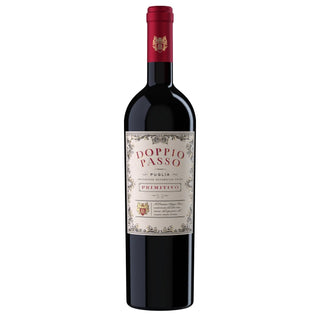
The wine I most often recommend with Hamburg steak is the Doppio Passo Primitivo, which Swirl brings to Japan as its first and exclusive importer. Primitivo is the native grape of Puglia, and in the Doppio Passo version the grapes are partially dried before fermentation, concentrating the fruit and softening the tannin. It is a wine that works with a demi-glace sauce without overpowering it, and it is rich enough to hold its own against a cheese fondue variant. Stock is allocated seasonally, so if you see it available, ordering a case makes sense.
For ponzu Hamburg, I reach instead for a Vermentino: a coastal Italian white with citrus and saline character that echoes the brightness of ponzu exactly. And for the tomato version, a Barbera d'Alba or a lighter Sangiovese brings the right balance of acidity and fruit.
How to Choose and Serve
Rule of thumb: follow the sauce. A rich, dark sauce calls for a red with body and soft tannin; an acidic or citrus sauce calls for a white or a light red. Serving temperature: 16 to 18 degrees Celsius for Primitivo; 10 to 12 for a white or rose. For related reading: Wine Pairing with Steak covers the same sauce-first logic applied to whole cuts of beef, and Yakitori Pairings extends the idea to skewered Japanese dishes.
Frequently Asked Questions
- Does Hamburg steak need a tannic red wine?
- Not necessarily. The patty is soft, and high tannin can feel harsh against it. A medium-bodied red with soft tannin, such as Primitivo or Sangiovese, is usually a better fit than a heavily structured Cabernet Sauvignon.
- Can white wine work with Hamburg steak?
- Yes, for ponzu-sauced Hamburg steak. The citrus acidity in the sauce pairs naturally with a crisp white, and the fat from the meat is light enough that white wine handles it without effort.
- What is Primitivo and why is it recommended?
- Primitivo is a red grape native to Puglia in southern Italy. It produces wines with ripe dark fruit, medium tannin, and good warmth without excessive alcohol heat. The Doppio Passo method, which partially dries the grapes before fermentation, concentrates this fruit further without adding harsh tannin, making it a particularly food-friendly style.
- Can I use the same wine in the sauce and in the glass?
- Yes. Adding a splash of Primitivo to a demi-glace sauce before serving links the flavors between plate and glass. It is the most practical trick for making a wine pairing feel intentional rather than accidental.
- What is the biggest pairing mistake with Hamburg steak?
- Reaching for the nearest bottle of red wine without considering the sauce. A very tannic red paired with a ponzu Hamburg will clash: the astringency and the citric acid fight each other. Always identify the sauce type first.


Comments (0)
There are no comments for this article. Be the first one to leave a message!