

Pinot Noir food pairing goes far beyond steak: this light-bodied red befriends fish, mushrooms, and even soy-based Japanese dishes with ease. Pinot Noir is one of the lowest-tannin reds you can pour, with bright acidity and silky texture. That combination frees it from the "red wine equals heavy meat" stereotype and makes it one of the most versatile grapes at the table. This guide covers regional style differences, specific Japanese food pairings, and how to put SWIRL's lineup to work at your next meal.
The Common Myth: "Red Wine Doesn't Go with Fish"
You hear it all the time: red wine and fish don't mix. Pinot Noir is the exception. Its tannins are gentle enough that it pairs beautifully with tuna, bonito, salmon, and even eel. When we serve it in Tokyo, "I can't believe a red works with sashimi" is the most common reaction.
The "red with fish" taboo has a real cause: tannin. High-tannin reds (Cabernet Sauvignon, for instance) react with fish oils and iron, producing a metallic, fishy off-taste. Pinot Noir's tannins are mild enough that this reaction barely happens, so red-fleshed fish and oily salmon both work. The trick is to serve it lightly chilled (14 to 16 °C) rather than at full room temperature. That alone tightens the match considerably.
Understanding Pinot Noir's Flavour Profile
Knowing the grape's personality helps you choose pairings intuitively. Pinot Noir is pale in colour, with red-fruit aromas (strawberry, cherry), a silky mouthfeel, and an earthy undertone of mushroom and tea leaves. Those two qualities, lightness and umami affinity, are the keys to pairing.
| Attribute | Tendency |
|---|---|
| Body | Light to medium |
| Acidity | High (lifts food flavours) |
| Tannin | Low (why it works with fish) |
| Aromas | Red fruit (strawberry, cherry), mushroom, tea, earth |
| Serving temperature | 14 to 16 °C (lightly chilled) |
High acidity is Pinot Noir's secret weapon at the table. Acid cuts through fat, so oily salmon, eel, and butter-rich French dishes all find a natural partner in this grape. Wines with less acidity can feel heavy alongside rich food; Pinot Noir refreshes instead.
How Region Shapes Style and Pairing
The same grape expresses itself differently depending on where it grows, and that shifts the ideal food match. Broadly, cool-climate Pinot Noir leans earthy and elegant, while warmer-climate versions show riper fruit and rounder texture.
| Region | Style | Best with |
|---|---|---|
| Burgundy (France) | Delicate, elegant, earthy and mushroomy | Mushroom dishes, chicken in cream, dashi-based Japanese food |
| California (USA) | Rich fruit, round; Sonoma is cooler and refined | Duck, braised pork, teriyaki, grilled vegetables |
| New Zealand | Vibrant, floral, herbal | Salmon, tuna, lighter meats |
| Northern Italy (Alto Adige) | Light, red-fruit-driven, brisk acidity | Prosciutto, salami, light pasta |
| Oregon (USA) | Burgundian finesse with spice | Chicken, mushroom risotto, roast pork |
How Winemaking Changes the Pairing
Two winemaking choices shape the style you taste. Whole-cluster fermentation (fermenting with stems) adds spice and herbal notes that echo Japanese herbs like shiso and mitsuba. A higher proportion of new oak brings vanilla and toast, favouring grilled meats and butter sauces. Check the back label for "whole-cluster" or "new oak %" to predict how a bottle will behave at the table.
Pinot Noir Pairing Compatibility Chart
A quick-reference grid showing how each regional style matches common dish categories.
| Dish category | Burgundy style Delicate, earthy | California style Fruit-forward | NZ style Vibrant |
|---|---|---|---|
| Red-fleshed fish (tuna, bonito) | ◎ | ○ | ★ |
| Salmon | ◎ | ◎ | ★ |
| Chicken, duck | ★ | ★ | ◎ |
| Mushroom dishes | ★ | ◎ | ○ |
| Japanese (dashi, soy) | ★ | ◎ | ◎ |
| Pork, teriyaki | ○ | ★ | ◎ |
| Grilled vegetables | ◎ | ★ | ◎ |
| Cheese | ★ | ◎ | ○ |
★ Perfect match ◎ Excellent ○ Good
In Burgundy, the home of Pinot Noir, there is a dish that surprises even wine lovers: oeufs en meurette, poached eggs simmered in a red-wine sauce. It is a household staple across the region and a proud fixture at the feasts of the Clos de Vougeot, seat of Burgundy's oldest wine brotherhood. The fact that they pair red wine with eggs tells you just how central Pinot Noir is to the local table.
Pairing Pinot Noir with Japanese Food
That Burgundian logic of "even eggs get a red" translates surprisingly well to the Japanese table. What Pinot Noir loves is not strong meat but umami. Dashi, soy sauce, and mirin are therefore natural allies.
Japanese Dish Pairing Guide
| Dish | Why it works | Serving temp |
|---|---|---|
| Unagi (grilled eel) kabayaki | The sweet-savoury tare glaze meets Pinot's fruit; the wine's acid cuts through the richness | 15 to 16 °C |
| Yakitori (tare) | Soy-mirin glaze draws out fruit and spice notes | 14 to 16 °C |
| Sukiyaki | Sweet-savoury broth + beef umami; Pinot's acid tempers the sweetness | 15 to 16 °C |
| Mushroom takikomi gohan | Mushroom earthiness resonates with Pinot's own earthy side | 14 to 15 °C |
| Maguro zuke (soy-marinated tuna) | Soy-marinated umami and iron in the flesh suit Pinot's delicate tannins | 14 to 15 °C |
| Grilled salted salmon | Pinot's acid slices through the salmon fat; fruit lifts the fish's natural sweetness | 14 to 15 °C |
| Chikuzen-ni (simmered root vegetables and chicken) | Dashi depth melds with Pinot's mushroomy notes | 15 to 16 °C |
| Tempura (prawn, vegetables) | Pinot's acid neatly cuts the batter oil; a surprising match that really works | 14 °C |
Despite its reputation for complexity, Pinot Noir is a light, dashi-friendly wine. The single best home tip: chill it in the fridge for about 20 minutes before pouring. The aromas tighten and the food synergy improves noticeably.
Seasonal Pairing Ideas
Spring: bamboo shoot nimono and wild-herb tempura pair with Pinot's earthy, mushroomy character. Summer: chill to 13 to 14 °C for shabu-shabu salad or beef carpaccio. Autumn: a donabe pot of mixed mushroom rice is the dream match. Winter: sukiyaki or duck nabe. Adjusting the wine's temperature to the season is the secret to year-round enjoyment.
SWIRL Wines for Pinot Noir Lovers
SWIRL's lineup includes Pinot Noir itself plus lighter-bodied wines that shine at the same table. Mix and match by dish. All are currently in stock.
| Wine | Grape | Type | Pairs with |
|---|---|---|---|
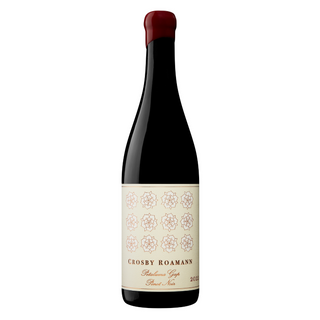
| Petaluma Gap Pinot Noir (Crosby Romann) | Pinot Noir | Red, medium | Duck, eel, mushrooms, sukiyaki |
| Langhe Nebbiolo (Rivetto) | Nebbiolo | Red, elegant | Truffle dishes, roast beef, aged cheese |
| Morellino di Scansano (Terenzi) | Sangiovese | Red, medium | Tomato pasta, yakitori tare, pizza |
| Syrah Seduzione (Bosco del Merlo) | Syrah | Red, full-bodied | BBQ, steak, spare ribs |
| Pinot Grigio (Grillo Iole) | Pinot Grigio | White, dry | White-fish carpaccio, tempura, chilled tofu |
| Farinaldo Soave (Grillo Iole) | Garganega | White, dry | Shellfish, seafood pasta, edamame |
| Pinot Grigio Rosé (Bosco del Merlo) | Pinot Grigio | Rosé, dry | Salmon, chicken ham, fresh spring rolls |
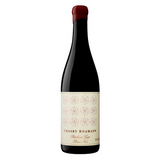
Grown in Sonoma's cool, fog-swept Petaluma Gap. Generous fruit balanced by elegant acidity. Try it with eel or duck
Petaluma Gap Pinot Noir 2022Crosby Roamann
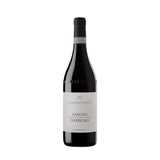
Piedmont's noble grape. Rose and spice aromas with fine-grained tannins. Excellent with mushrooms or roast beef
Langhe Nebbiolo 2022Alessandro Rivetto
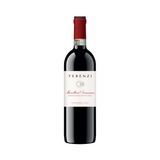
Tuscan Sangiovese with cherry fruit and gentle tannins. A go-to for tomato-based pasta
Morellino di Scansano 2023Terenzi
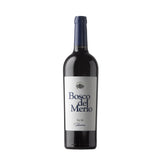
Black pepper and plum. For hearty meats and BBQ when Pinot feels too light
Syrah Seduzione 2021Bosco del Merlo
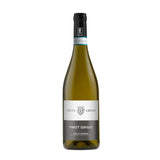
Crisp dry white. Ideal with tempura or sashimi, or as an aperitif before Pinot Noir
Pinot Grigio 2024Tenuta Grimani
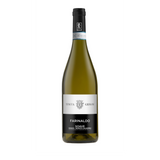
Northern Italian dry white with mineral verve and floral lift. Outstanding with shellfish and seafood pasta
Farinaldo Soave 2024Tenuta Grimani
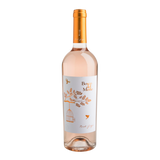
Pale salmon pink. Bridges red and white, versatile with salmon and chicken
Pinot Grigio Rosé 2024Bosco del Merlo
Federico's Picks
The bottle we pour most often is Crosby Romann Petaluma Gap Pinot Noir from Sonoma, California. The cool, fog-swept Petaluma Gap gives it generous fruit alongside the acidity and elegance Pinot is known for. Pair it with eel, duck, or mushroom dishes and you'll see how accommodating this grape really is. It's the best starting point for discovering Pinot Noir's versatility.
If you want to explore further, Langhe Nebbiolo is a wonderful next step. This Piedmontese grape shares Pinot Noir's delicate tannins and bright acidity but adds its own signature of rose and spice. Try it with mushroom risotto or seared wagyu tataki for a different take on "light red."
For a deeper dive into the grape itself, see our Pinot Noir grape guide.
Choose by What's on Your Plate
Quick picks based on tonight's menu.
Mushroom dishes → Petaluma Gap Pinot Noir. The earthy resonance between mushroom and Pinot Noir is a textbook-perfect pairing.
Japanese food (dashi, soy) → Petaluma Gap Pinot Noir or Langhe Nebbiolo. Umami and delicate red-wine acidity complement each other surprisingly well.
Salmon → Pinot Grigio Rosé. Matching the colour of the fish with the colour of the wine works beautifully. Prefer red? Chill Pinot Noir slightly.
BBQ or yakiniku → Syrah Seduzione. One step bolder for those who find Pinot Noir too light for the grill.
Tempura or white fish → Pinot Grigio. A crisp dry white that neatly cuts through batter oil.
Tomato-based pasta → Morellino di Scansano. Sangiovese acidity harmonises with tomato acid: the classic Italian pairing.
Related guides: Sangiovese | Nebbiolo | Pinot Grigio | Beginner's Guide
Frequently Asked Questions
Q. What food goes with Pinot Noir?
A. Chicken, duck, and mushroom dishes are classic matches, but Pinot Noir also pairs well with soy-marinated tuna, grilled eel, sukiyaki, and other dashi- or soy-based Japanese dishes. Its low tannin makes it one of the most food-flexible red grapes.
Q. Can a red wine really go with sashimi?
A. Pinot Noir can. Its tannins are low enough to avoid the metallic off-taste that heavier reds produce with fish. Tuna, bonito, and salmon all work. Serve lightly chilled (14 to 15 °C) for the best match.
Q. What's the ideal serving temperature?
A. 14 to 16 °C. Either take it out of the fridge 20 minutes early, or pop it in for 20 minutes before serving. In summer, pouring at full room temperature (above 25 °C) makes the alcohol stick out and clash with food.
Q. What are common pairing mistakes?
A. Serving it too warm in summer is the most frequent one. A brief chill makes a big difference. Another is pairing it with very heavy sauces (rich steak sauce, demi-glace): Pinot Noir is too delicate and gets overwhelmed. For those dishes, Syrah or Primitivo are better choices.
Q. Which grapes are similar to Pinot Noir?
A. Nebbiolo (Piedmont) shares delicate tannins and elegant acidity, with its own signature of rose and spice. It's wonderful with mushroom dishes and aged cheese. Gamay (Beaujolais) is another gentle, light red suited to casual meals.
Sources: Wine Folly "Pinot Noir Food Pairing", Guildsomm Pinot Noir service temperature guide, Bureau Interprofessionnel des Vins de Bourgogne (BIVB) "Oeufs en Meurette"
Found a bottle that catches your eye? Try it with tonight's dinner. Pinot Noir has a gentle way of overturning the idea that red wine has to be heavy.


Comments (0)
There are no comments for this article. Be the first one to leave a message!