

Wine for pizza means one bottle that ties together three things at once: the acidity of tomato sauce, the slight bitterness of charred crust, and the richness of melted cheese. As an Italian, wine with pizza has been a given since childhood. In Japan, though, the default is still beer with pizza. Wine actually makes the whole meal far more enjoyable.
Common Misconception: Doesn't Pizza Need a Heavy, Full-Bodied Wine?
I often hear "pizza is a rich dish, so it needs a tannic, full-bodied wine." In practice the opposite is true: too much tannin reacts with the fat in the cheese and leaves your mouth dry and chalky. What pizza actually calls for is a medium to medium-light red with firm acidity. For white pizza or vegetable pizza, a dry white wine is a perfect match.
Taste Profile: What to Look For in a Pizza Wine
| Characteristic | Target |
|---|---|
| Body | Medium to medium-full |
| Acidity | Medium to high (echoes the tomato) |
| Tannins | Light to medium (won't fight the cheese) |
| Aromas | Red fruit, spice, earthy notes |
| Serving temperature | 16-18°C |
Regional Styles: Puglia vs Tuscany
| Region / Grape | Character | Best with |
|---|---|---|
| Puglia / Primitivo | Jammy ripe fruit, spicy, low-acid | Margherita, meat toppings |
| Tuscany / Sangiovese | Cherry acidity, herbs, dry finish | Marinara, arugula pizza |
| Veneto / Valpolicella | Light, cherry, slightly smoky | Vegetable pizza, quattro formaggi |
Puglia has a tradition called sfuso (bulk wine). Locals bring an empty plastic bottle to the local winery and fill it up by the litre with Primitivo or Negroamaro. What appears on the table alongside pizza or focaccia barese (Bari's herb-oiled flat bread) is this kind of everyday table wine. Ease over elegance: that is the essence of Puglia's dining culture.
Enjoying Pizza and Wine in Japan
Delivery pizza in Japan tends to be saltier and oilier than its Italian counterpart. To keep the wine enjoyable even as the pizza cools, serve it slightly warmer than usual, around 18°C. For Sangiovese, pulling the bottle from the fridge 20-30 minutes before pouring is enough.
For white pizza (bianca) or pesto-based pizza, a dry white works beautifully: Pinot Grigio or Vermentino, for example. The acidity cuts right through the fat in the cheese.
Think of it like pouring a casual drink alongside gyoza or takoyaki. Pizza is casual; wine should be too. No overthinking needed.
Federico's Recommendations
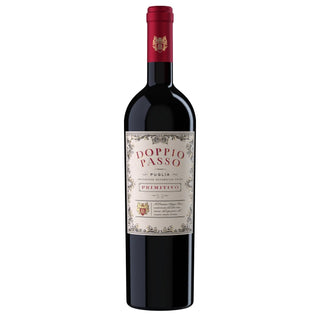
My go-to pour is a Puglia Primitivo. The ripe, jammy sweetness meshes with tomato sauce in a way that genuinely surprises people. The spicy finish resonates with the char on the crust, and by the time you finish the last slice, you are already reaching for another glass.
Try it via the card below.
How to Choose
Go by toppings: it is the simplest guide. Tomato-based (Margherita, Marinara): reach for a red with good acidity. Cream-based or white pizza: dry white. Meat toppings (salsiccia, spianata): a red with a little more tannin, like Primitivo.
Primitivo and Zinfandel share the same DNA. California Zin works with meat pizza too, but Puglia Primitivo is more delicately spiced and blends into the pizza more seamlessly.
Related: What is Primitivo? / What is Sangiovese?
FAQ
Q. Does rosé go with pizza?
A. Yes. For prosciutto or arugula pizza, a dry rosé is fantastic. A fuller southern Italian rosé holds up better to the food than a pale Provençal style.
Q. What about sparkling wine?
A. Great choice. Prosecco and Lambrusco (lightly sparkling red) are classic Italian pizza partners. The bubbles cut through the oil and keep things lively.
Q. Expensive wine seems wasted on delivery pizza, right?
A. Counterintuitively, powerfully flavoured food like delivery pizza overwhelms a complex wine. A daily Primitivo or Sangiovese is actually the better match.
Q. What is the most common mistake?
A. Worrying that red won't work and choosing white, only to find it too light to stand up to tomato sauce. With tomato-based pizza, a red with firm acidity is always the foundation.
Choosing wine on pizza night should be a little more fun now. Give it a try.


Comments (0)
There are no comments for this article. Be the first one to leave a message!