

The best wine for sukiyaki is a fruit-forward red with gentle tannins that gently wraps around the sweet-savory warishita broth. Primitivo from Puglia in southern Italy, with its ripe berry sweetness and round mouthfeel, is especially at home with the sugar and soy of the sauce.
A common misconception: a rich dish does not mean a heavy red
Because sukiyaki tastes rich, it is tempting to reach for a bold, tannic full-bodied red. But when you pair a young, grippy wine with the sweetness of the warishita and the silkiness of the raw egg, the tannins can stick out and turn bitter. What I often tell customers is to choose by sweetness and roundness, not by intensity. A red with soft tannins and generous fruit is the safest choice.
Pairing at a glance
| Element of sukiyaki | How to pair it |
|---|---|
| Sweet-savory warishita (sugar, soy) | A red with fruit and a sweet aroma leans in |
| Fat and umami of the beef | Moderate acidity resets the palate |
| Silkiness of the raw egg | Keep tannins light, mouthfeel round |
| Leek, shungiku, mushrooms | Earthy, herbal notes bridge the flavors |
Kanto vs Kansai style changes the match
Even the same sukiyaki differs by region. The Kanto style, which simmers the warishita first, is even and richer in flavor. The Kansai style, which sears the meat and adds sugar and soy afterward, brings out a toasty character. For the richer Kanto style, reach for a clearly fruity Primitivo; for the toasty Kansai style, chill the same red just a little for a lighter feel. Either way the axis stays the same: sweetness, roundness, and moderate acidity.
Enjoying it in Japan: why Primitivo
Sukiyaki is a rare dish anywhere in the world, with sweet, salty, savory, and silky all living on one plate. This is where sun-soaked Primitivo shines. Its sweet aromas of ripe plum and dried fruit echo the sugar in the warishita, while its round mouthfeel never clashes with the silky raw egg. In the Valle d'Itria in Puglia there is a specialty called bombette, pork rolls wrapped around cheese and slowly grilled over charcoal at a butcher's grill (fornello). Locals always pair this rich, fatty meat with a slightly chilled Primitivo. That local wisdom, a fruit-forward red for fat and sweetness, works just as well with sukiyaki. One tip for Japanese homes: chill the red lightly to 15 to 16 degrees. Since the steam of the pot warms you up, a slightly cooler wine keeps the fruit lively.
Federico's picks
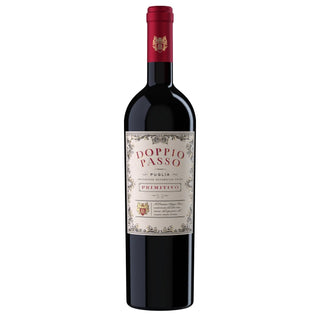
On a sukiyaki night, the bottle I often serve is Doppio Passo Primitivo. Japan's first and exclusive import of this wine, it is defined by sweet, ripe fruit and soft tannins. It slips right into the sweet-savory warishita, and the price is just right for everyday drinking. On days you want something lighter, chill it a touch. And if you want to freshen the palate before the meal, a glass of sparkling is a lovely start.
How to choose, serving temperature, and similar dishes
The rule is simple: a red with gentle tannins and generous fruit. Aim for a serving temperature of 15 to 16 degrees. Gyudon, nikujaga, and braised pork belly, any sweet-savory seasoned dish, can be matched with the same idea. For meat dishes more broadly, see Wine Pairing with Steak, and for hot pots, Wine Pairing with Nabe.
Frequently asked questions
Q. Does white wine not work with sukiyaki?
A. It is not that it does not work. An unoaked, full-bodied white or a lightly sparkling wine can bring a fresh lift to the raw-egg course. Still, the sweet-savory warishita leans more naturally toward a fruit-forward red.
Q. What is the common mistake?
A. Choosing a young, heavily tannic full-bodied red. Against the sweetness of the warishita and the raw egg, the tannins alone stand out and can taste bitter. Choose by fruit and roundness.
Q. Should the red be chilled?
A. Just a little. Bringing it to 15 to 16 degrees keeps the fruit lively against the heat of the pot. Avoid over-chilling, which makes the tannins stand out.
Q. If I do not like raw egg, can I still use the same wine?
A. Yes. Even without the raw egg, the sweet-savory warishita is the star, so the basic choice of a fruit-forward red does not change.
On a cold-season sukiyaki night, reach for a bottle full of fruit. It makes the table all the richer.


Comments (0)
There are no comments for this article. Be the first one to leave a message!