

Hot pot is one of the easiest Japanese dishes to pair with wine. Because nabe pools broth with multiple ingredients — blending textures and flavors in a single pot — the right wine can dramatically transform the meal. The best choice depends on the type of nabe: shabu-shabu, kimchi nabe, and yudofu each call for a different approach. In this guide, we break down wine pairings by nabe type and region.
A Common Misconception: Can Wine Even Work with Nabe?
"Beer or sake with nabe, obviously" — you hear that a lot. But in practice, wine and hot pot are surprisingly compatible. The key is the direction of the broth's umami and the type of protein. For dashi-based nabe, a light red or dry white with gentle acidity and fruit works beautifully. For spicy nabe like kimchi, a red with abundant fruit and moderate tannin is the natural match. Sparkling wine refreshes the heat from kimchi nabe — it's actually a very useful combination.
Pairing by Nabe Type
| Nabe Type | Key Characteristics | Wine Direction |
|---|---|---|
| Shabu-shabu (pork or beef) | Delicate dashi, ponzu or sesame dipping sauce | Light red (Sangiovese) or dry white |
| Sukiyaki | Sweet-savory soy broth, beef-forward | Fruit-forward medium-full red (Primitivo) |
| Kimchi nabe | Strong spice, umami, and acidity | Fruit-rich red or sparkling |
| Yudofu / tofu nabe | Delicate, dashi-forward | Light white (Pinot Grigio, etc.) |
| Motsu nabe / miso nabe | Rich umami, fatty depth | Tannin-present red (Primitivo) |
How Region and Style Shape the Pairing
Puglia sits at the heel of Italy's boot, blessed with long hours of sun where Primitivo reaches full ripeness. Its concentrated fruit and spice make it an outstanding match for umami-rich nabe — especially pork belly sukiyaki, kimchi nabe, and motsu nabe.
I always think of a dish called Caldariello when I reach for Primitivo. It is a traditional dish from the Salento peninsula in Puglia: lamb slow-cooked in ewe's milk with olive oil, onion, parsley, garlic, and wild fennel. Across Lecce and all of Salento, it is a fixture of every winter table — and pairing it with Primitivo is simply assumed. The rule "protein rich in fat and umami calls for Primitivo" comes directly from this food culture. Caldariello is virtually unknown in Japan, but the same logic applies perfectly to motsu nabe and sukiyaki.
How to Enjoy It in Japan
If you want to start somewhere, try Prosecco with kimchi nabe. The bubbles and acidity reset the spice after each bite, making the next one better. A dry sparkling like Prosecco Millesimato Brut is the perfect fit.
For rich nabe — sukiyaki, motsu nabe, kimchi nabe — Primitivo as a red is the classic move. Even if the nabe warms the wine slightly, Primitivo holds its flavor well. Red wine naturally reaches the right temperature (15–17°C) as you eat, so there is no need to overthink it.
Federico's Pick
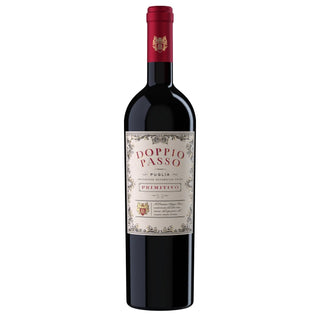
When I pair wine with nabe, the first bottle I reach for is Doppio Passo Primitivo Salento. Made from Primitivo grown in Salento, Puglia, it delivers concentrated dark cherry and plum with a hint of spice. The tannins are soft, and the richness of the fruit meshes beautifully with the umami-heavy ingredients of nabe — pork, offal, the lactic tang of kimchi. As Japan's first and exclusive importer of this wine, we find it especially shines during nabe season.
Quick Pairing Guide
- Delicate dashi nabe (yudofu, shabu-shabu with ponzu) → dry white or light red
- Sweet-savory rich nabe (sukiyaki, motsu nabe) → fruit-forward Primitivo
- Spicy nabe (kimchi) → sparkling to reset the heat, or a fruit-rich red
Related articles: Wine Pairing Basics for Japanese Cuisine, Introduction to Sparkling Wine Pairing
FAQ
Q. Can I keep drinking wine through the締め (shime) — ramen or zosui at the end?
A. The shime concentrates the broth, so umami intensifies. You can absolutely keep going with wine. If you prefer to switch, sake works well for the shime. Sparkling is ideally finished before the shime course.
Q. Any tips for pairing white wine with nabe?
A. A dry white that complements dashi umami — Pinot Grigio, Koshu — pairs well. If you prefer to avoid tannic reds, start with a white.
Q. Should I change wines depending on the dipping sauce?
A. Yes. Ponzu (acidic) pairs well with acidic whites or light reds. Sesame sauce (rich, slightly sweet) goes better with fruit-forward reds. The same nabe tastes completely different with each sauce, so a tasting comparison is worth trying.
Q. Won't the wine get too warm next to a hot nabe?
A. Primitivo and other full-fruit reds hold their character even slightly warmed. If it bothers you, keep a small ice bucket nearby. Otherwise, the warmth during eating naturally brings red wine into the right range.
Q. Can I enjoy wine with solo nabe at home?
A. Absolutely. A half-bottle (375 ml) or a screw-cap bottle makes quantity easy to control. Solo nabe plus a half-bottle of Primitivo is one of winter's best solo nights in.


Comments (0)
There are no comments for this article. Be the first one to leave a message!