

Sparkling wine pairs best with dishes where the bubbles and acidity rinse away oil and richness, keeping every next bite light. It is often seen as a wine only for the toast, but it is actually an excellent mealtime wine that works from Japanese food to fried dishes.
Hi, I am Federico. I import Italian wine and pour it across Tokyo every day. In this article I want to help you enjoy sparkling wine through a whole meal, not just the opening toast.
A common misconception: sparkling is sweet, and only Champagne is serious
People often assume sparkling wine is sweet and casual, or that only Champagne counts. That is a shame, because the style runs from crisp and dry (Brut, with little residual sugar) to gently sweet (Moscato d'Asti), so you can match it to the food. What I most want to share is this: dry sparkling is an all-rounder you can drink right through a meal.
Taste profile
| Item | Tendency |
|---|---|
| Body | Mostly light (medium for some types) |
| Acidity | High. It resets the palate along with the bubbles |
| Tannin | Very light for whites and rosés |
| Aroma | Apple, pear, citrus, white flowers. Bread and brioche notes when bottle-fermented |
| Serving temperature | 6 to 8C (well chilled) |
How style changes by type and region
| Type / region | Style | Easy matches |
|---|---|---|
| Prosecco (Veneto, Italy) | Fruity and fresh, easygoing | Starters, fried food, Japanese food in general |
| Franciacorta (Lombardy, Italy) | Bottle-fermented, fine beads, more depth | Seafood, cream sauces, cheese |
| Champagne (France) | Firm acidity and savoury depth, long finish | Richer dishes, aged cheese |
| Moscato d'Asti (Piedmont, Italy) | Sweet, low in alcohol, grapey | Dessert, fruit, mildly spicy food |
There are two main ways to make the bubbles. A second fermentation in a tank (the Charmat method, used for Prosecco) keeps the grape's fruit and freshness in the bottle. A second fermentation in the bottle (Champagne and Franciacorta) takes more time, giving finer bubbles and a bread-like aroma. By the way, in the home of Prosecco, the hills of Conegliano-Valdobbiadene, there is a slightly cloudy dry style called col fondo, refermented in the bottle on its lees (the natural sediment). It is a completely different face from the sweet, clear Prosecco you usually meet in Japan, savoury and a great match for food.
How to enjoy it in Japan and what to serve (the heart of it)
The charm of bubbles is the way they rinse away oil and salt. That is exactly why they suit the Japanese table so well. Here are the pairings I most often suggest to customers.
With tempura and karaage (fried chicken), reach for a dry Prosecco. The bubbles carry the oil away so you can enjoy the last piece as lightly as the first. With sushi and sashimi, choose a fine, dry sparkling. It stays out of the way of delicate white fish and vinegared rice, and tidies up the lingering heat of wasabi. The acidity also works beautifully with the savoury, casual pleasures of gyoza and pizza. For cheese, it spans everything from fresh mozzarella to aged styles.
In Venice there is a tradition of small plates called cicchetti enjoyed with an ombra, a small glass of wine or sparkling. Walking from bar to bar, one glass at a time, is called the giro di ombre, standing and nibbling while you enjoy the fizz. It overlaps neatly with Japan's standing bars and home drinking, and it shows that bubbles are not a formal toast but an easy mealtime wine. At home, chill to 6 to 8C; if you have no flute, an ordinary white wine glass is fine. Seal any leftover with a sparkling stopper and the bubbles will still be lively the next day.
Federico's picks
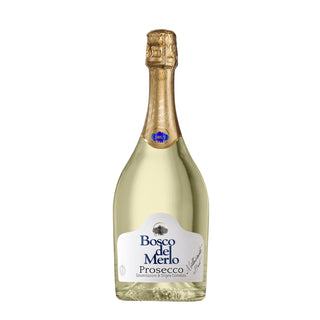
The bottle I most often pour as a first choice is Prosecco Millesimato Brut. Made dry from a single harvest year (millesimato), it has apple and pear fruit with a clean edge, and it moves easily from starters to fried food to Japanese cuisine. On days you want to bring colour to the table, pour Prosecco Rosé Millesimato, and after the meal or with mildly spicy dishes, the sweet Moscato d'Asti rounds things off. One bottle can set the rhythm of the whole table.
How to choose, serving, and similar styles
To choose, first decide dry or sweet, then pick the method by how rich the food is. Light starters and fried food love a fresh Prosecco; richer dishes and cheese suit the depth of a bottle-fermented style. The serving temperature is 6 to 8C: too cold and the aromas close up, so take it out of the fridge a few minutes before pouring. A gently fizzy frizzante is another light, food-friendly style worth trying. See also How to choose sparkling wine, What is Prosecco, and Wine with tempura.
FAQ
Q. Is sparkling wine only for toasts?
A. No. Dry sparkling resets the palate with its acidity and bubbles, so you can enjoy it right through a meal, from starters to the main course. It is at its best as a mealtime wine.
Q. How is Champagne different from Prosecco?
A. The method differs. Champagne is fermented again in the bottle, giving bread-like aromas and fine bubbles. Prosecco is fermented again in a tank, so its fruit and freshness come to the front. For an easygoing mealtime wine, Prosecco is my pick.
Q. What is the most common mistake?
A. Over-chilling. Ice-cold bubbles hide both the aroma and the texture of the fizz. Aim for 6 to 8C: take it out of the fridge and wait a little, and it matches food much better.
Q. What food suits sweet sparkling?
A. Dessert and fruit, of course, but also mildly spicy dishes like curry and other spiced food, where the sweetness softens the heat.
Bubbles are not only for special days. Tonight's table deserves a well-chilled bottle too.


Comments (0)
There are no comments for this article. Be the first one to leave a message!