

Prosecco is a sparkling wine made mainly in the Veneto region of northeastern Italy, from a white grape called Glera. Lighter and more approachable than Champagne, it's perfect for toasting or pairing with food. Made using the Charmat method (secondary fermentation in a tank), Prosecco preserves the grape's fresh, fruity character in every bubble.
What Does Prosecco Taste Like?
Green apple, pear, white flowers. Fine, gentle bubbles and a light, fruity palate. Relatively low in alcohol and easy to enjoy without overthinking it.
| Attribute | Profile |
|---|---|
| Body | Light |
| Acidity | Medium |
| Bubbles | Fine and gentle |
| Sweetness | Mostly dry (Brut) |
| Serving temp. | 6-9°C (well-chilled) |
What Food Pairs with Prosecco?
The classic aperitivo wine. Prosciutto, aged cheeses, tempura, fried snacks — Prosecco cuts through the fat beautifully. It also pairs surprisingly well with sushi and lightly salted Japanese snacks.
The Veneto Way: "Ombra" and "Col Fondo"
In the Veneto, wine is traditionally enjoyed in small glasses called "ombra" (literally "shadow" in the Venetian dialect). The story goes that in Venice's Piazza San Marco, wine vendors once moved their carts to follow the shadow of the Campanile bell tower, keeping the wine cool. Today, locals make the rounds of "bacari" (standing bars) after work, stopping for a glass and a few cicchetti (small bites) at each one. This tradition is called the "giro d'ombra" — the shadow lap.
Then there's "col fondo" (meaning "with the sediment"), an old-school farmhouse style of Prosecco: bottle-fermented, undisgorged, and intentionally hazy. The result is bone-dry, with an almost bread-like character — completely different from the bright, clean version most people know. This style has been made in the hills of Conegliano Valdobbiadene for generations and was officially recognized in the DOCG regulations in 2019 under the name "Sui Lieviti" (on the lees). I (Federico) had my first col fondo in the Veneto and was genuinely surprised — it tasted nothing like the Prosecco I thought I knew. From the sparkling toast to the rustic farmhouse bottle, Prosecco contains more depth than its reputation suggests.
How Is Prosecco Different from Champagne?
Champagne undergoes secondary fermentation in the bottle, developing complexity and a creamy texture. Prosecco uses the tank method (Charmat), keeping things fresh and fruity — and the price accessible.
| Attribute | Prosecco | Champagne |
|---|---|---|
| Origin | Veneto, Italy | Champagne, France |
| Main grape | Glera | Chardonnay, Pinot Noir, etc. |
| Method | Tank (Charmat) | Bottle fermentation |
| Flavour | Fresh, fruity | Complex, creamy |
| Price range | ¥1,500-¥3,500 | ¥5,000+ |
SWIRL's Prosecco Pick (¥3,300)
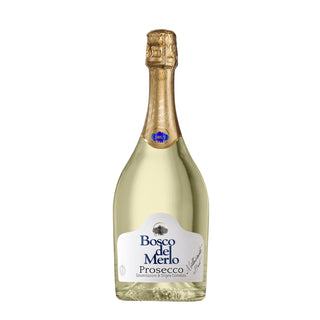
Prosecco Millesimato Brut by Bosco del Merlo, a Veneto producer. Fine bubbles, fresh fruit, vegan-certified.

Related Grape Variety Guides
Curious about other wine grapes? Explore these guides.
- Chardonnay guide: the classic full-bodied dry white
- Sauvignon Blanc guide: aromatic dry white with herb and citrus aromas
- Pinot Grigio guide: light and dry, a northern Italian staple
- Vermentino guide: a mineral white with the sea breeze of Sardinia
Frequently Asked Questions
Q. Is Prosecco sweet or dry?
A. Mostly dry (Brut), though off-dry styles exist. Brut is the most food-friendly choice.
Q. How is it different from Champagne?
A. Different production method (tank vs. bottle), different grape (Glera), lighter and fruitier, and more affordable.
Q. What's the right serving temperature?
A. 6-9°C. Serve well-chilled and enjoy while the bubbles are lively.
Q. What's the difference between Prosecco DOCG and DOC?
A. DOCG is the higher classification with stricter quality standards — Conegliano Valdobbiadene and Asolo are the two Prosecco DOCGs. DOC covers the broader Veneto region and a wider price range.
Q. Spumante vs. Frizzante — what's the difference?
A. Spumante is fully sparkling (3+ atm pressure) and covers most Prosecco you'll find. Frizzante is lightly sparkling (1-2.5 atm) — subtler bubbles and a gentler style.
Q. How much should I expect to pay for Prosecco?
A. ¥1,500-¥3,500 covers the typical range. SWIRL's Veneto Millesimato Brut is ¥3,300 (tax incl.) — a strong starting point.
Q. What is Rosé Prosecco?
A. An officially recognized style since 2020, made by blending Glera with 10-15% Pinot Nero. More berry-forward than regular Prosecco, with a pretty colour. Works as both an aperitivo and a food wine.


Comments (0)
There are no comments for this article. Be the first one to leave a message!