

Campania wine refers to wines produced in Campania, a region in Southern Italy centered on Naples, and is characterized by native grape varieties passed down from antiquity — including Falanghina, Fiano, and Aglianico. The Mediterranean climate and volcanic soils nurture wines of remarkable individuality, making Campania one of Italy's oldest and most historically significant wine regions.
The Common Misconception: Campania Wines Are Not Just for Pizza
When you hear "Campania," you might immediately think of Neapolitan pizza or pasta. But Campania wines are far more than mere food companions. Falanghina produces some of Italy's most complex white wines, while Aglianico — often called the "Barolo of the South" — yields powerful, brooding reds. The diversity and quality of native varieties here is unmatched in Southern Italy, and wine lovers worldwide are taking notice.
Tasting Profile
Campania reds, centered on Aglianico, are defined by concentrated fruit, firm tannins, and a long finish. Whites range from the citrusy brightness of Falanghina to the complex honeyed character of Fiano, united by high acidity and a pronounced minerality.
| Attribute | Profile (Red: Aglianico) |
|---|---|
| Body | Full-bodied |
| Acidity | High |
| Tannins | Firm and dense |
| Aromas | Cherry, plum, spice, tar |
| Serving temperature | 16–18°C |
Styles by Zone and Local Food Culture
Campania divides broadly into two zones. The coastal belt (Naples Bay, Sorrento Peninsula) is home to lighter, fresher wines from Falanghina and Piedirosso. The high-altitude inland zone of Irpinia (near Avellino) produces the region's crown jewels: Greco di Tufo DOCG, Fiano di Avellino DOCG, and the powerful Aglianico of Taurasi DOCG.
| Zone | Key Varieties | Style |
|---|---|---|
| Coastal (Naples Bay) | Falanghina, Piedirosso | Fresh, light |
| Inland highlands (Irpinia) | Aglianico, Fiano, Greco | Complex, age-worthy |
In the winery, Irpinia's Aglianico is typically aged 3–5 years in stainless steel and large oak casks, developing deep aromas of tar, tobacco, and dried herbs. Coastal whites are made fresh and unoaked to preserve their vivid fruit character.
Here is a piece of Campania history little known in Japan: in ancient Rome, "Vinum Falernum" — produced on Monte Massico in northern Campania — was the empire's most celebrated wine. Praised by Virgil, Horace, and Pliny the Elder, it graced the tables of emperors. Modern research suggests that Falanghina, still grown in Campania today, is the most likely ancestor of the Falernum grape — meaning you may be drinking a wine from the same land and the same variety that Roman emperors once savored, some 2,000 years later.
Enjoying Campania Wines in Japan
Falanghina's citrus-driven acidity pairs beautifully with sashimi and white fish carpaccio — a natural fit for Japanese diners who already associate white wine with seafood. Aglianico shines alongside grilled bone-in meats or richly sauced yakitori (gizzards, liver), where its tannins and acidity cut through the fat cleanly. At home, decanting Aglianico for about 30 minutes after opening helps the aromas open up. You can also try it slightly cooler than the standard 16–18°C for a lighter, more refreshing experience.
Federico's Pick: SWIRL's Recommended Bottle
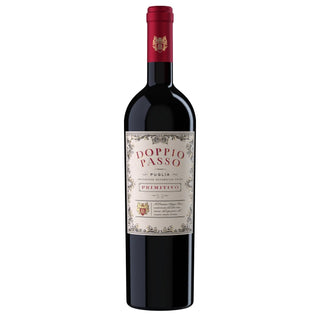
For those new to the bold wines of Southern Italy, I often recommend Doppio Passo Primitivo from Puglia. Primitivo shares the sun-soaked intensity and rich fruit of Aglianico. Its aromas of concentrated plum and red fruit, with supple tannins, make it an ideal introduction to the spirit of Campania-style reds.
How to Choose, Serve, and Pair Campania Wines
Start with the grape variety: for a crisp white, choose Falanghina (lighter) or Fiano (complex); for a full-bodied red, go Aglianico. DOCG or DOC designations, and labels mentioning Irpinia or Taurasi, signal higher quality. Compared to other Italian reds, Aglianico has firmer tannins than Sicily's Nero d'Avola and more straightforward fruit than Barolo. For related reading, see the Sicily Wine Guide and Italian Wine Classification Guide.
FAQ
Q. What are Campania's most important DOCGs?
A. Taurasi DOCG (Aglianico red), Fiano di Avellino DOCG (white), and Greco di Tufo DOCG (white) are the three flagship appellations.
Q. What foods pair with Falanghina?
A. Seafood of all kinds. Sashimi, pan-seared salmon, and white fish in acqua pazza all work well. The high acidity and minerality lift the flavor of the fish.
Q. Why is Aglianico called the "Barolo of the South"?
A. Both share high tannins, high acidity, and the need for extended aging. Young Aglianico can feel austere, but with bottle age it reveals remarkable complexity.
Q. Are Campania wines available in Japan?
A. Import volumes are still relatively small but growing steadily. SWIRL focuses on Southern Italian wines and can advise on availability.
Q. What Campanian dishes pair with these wines besides pizza?
A. Mussels alla pescatora, paccheri pasta in rich ragu, and veal cacciatore are regional classics. Tomato and seafood-based dishes dominate, and Falanghina with seafood is the local standard pairing.
Over 2,000 years of winemaking history, remarkable native varieties, and a land that once poured for Roman emperors — Campania wines deserve a place in your glass.


Comments (0)
There are no comments for this article. Be the first one to leave a message!