

Moscato d'Asti is a sweet, low-alcohol (usually about 5.5%), gently sparkling white wine made from the highly aromatic Moscato Bianco grape around the town of Asti in Piedmont, northwest Italy. It holds DOCG status, Italy's top tier of protected designation, which fixes where and how it can be made, and it tastes as if someone had bottled the scent of fresh grapes: muscat, peach and white flowers.
I'm Italian, and I import Italian wine in Tokyo, pouring it almost every day for restaurants, events and home drinkers. Of all the wines I open, Moscato is the one that most often changes the face of someone who told me "I don't really like sweet wine". In this guide I explain what Moscato d'Asti really is, how it's made, how it differs from Asti Spumante, how to pair it with Japanese food, and which Moscato to pick from the Swirl cellar.
Common misconceptions: is Moscato just "cheap and sweet"?
Few wines carry as many misunderstandings as Moscato. Let's clear up the three I hear most often in Japan.
Myth 1: anything labelled "Moscato" is the same wine
Moscato is the name of a grape family, known as Muscat in both English and French. Around the world it becomes everything from sweet to bone-dry, sparkling or still. Moscato d'Asti, on the other hand, is a protected name: only wine made from 100% Moscato Bianco, in a defined area of Piedmont, within fixed limits for alcohol and fizz, may use it. A bottle that just says "Moscato" and a DOCG Moscato d'Asti are different things.
Myth 2: it tastes like the cheap sweet stuff at the supermarket
Some mass-produced Moscato from elsewhere is one-dimensional, with sugar doing all the talking. DOCG Moscato d'Asti is made from hand-picked grapes, fermented cold and fast to protect its aromas; the chilled juice is stored and fermented in small batches through the year, so bottles reach you with just-made freshness. You get layered aromas (muscat, white peach, orange blossom, a hint of sage) and real acidity holding the sweetness in check. It also shows the producer's skill very clearly: Alessandro Rivetto, whose Moscato we carry, is a serious Langhe grower who also makes Barolo.
Myth 3: sweet wine is for beginners
In Italy, the people who know wine best are often the ones who treasure Moscato d'Asti. It has a proper place in daily life: the bright glass that closes a long meal, or a lunchtime wine light enough not to ruin the afternoon. Sweet wine isn't an entry level, it's a different job. Dessert, aperitivo, a partner for spicy food: it may actually cover more situations than many dry wines.
How it tastes: why is it so sweet and yet so light?
The secret: stopping fermentation halfway
Wine happens when yeast eats the grape sugar and turns it into alcohol and carbon dioxide. Let it eat everything and you get a dry, higher-alcohol wine. Moscato d'Asti ferments in a sealed stainless steel tank, and when the alcohol reaches roughly 5%, the tank is chilled to near freezing and the yeast is filtered out. The unused sugar stays behind as sweetness, the alcohol stays low, and some of the carbon dioxide from fermentation stays dissolved in the wine as a soft fizz.
This "bubbles in the tank" technique was devised in the late 19th century by Federico Martinotti, an oenologist working in Asti, which is why Italians call it the Metodo Martinotti (a version later refined in France became known as the Charmat method). Unlike Champagne, which gets its second fermentation in the bottle, it is ideal for keeping a grape's fresh aromas intact.
Moscato d'Asti at a glance
| Feature | Moscato d'Asti | In plain words |
|---|---|---|
| Body | Light | Airy and gentle on the palate |
| Acidity | Medium | Keeps the sweetness lively and the finish clean |
| Sweetness | Sweet (residual sugar typically 100 g per litre or more) | Like fruit preserved in honey |
| Bubbles | Lightly sparkling (about 1.7 to 2.5 bar) | Far softer than Champagne (about 5 to 6 bar) |
| Alcohol | 4.5 to 6.5% (usually about 5.5%) | Less than half of a typical wine |
| Aromas | Muscat grape, white peach, orange blossom, pear, sage | Exactly like biting into a ripe grape |
| Serving temperature | 6 to 8°C | Straight from the fridge |
At about 5.5%, it's roughly as strong as beer. A whole 750 ml bottle holds about the same amount of alcohol as just over two glasses of a typical 12.5% wine. And because the pressure is so gentle, it is often sealed with an ordinary cork rather than a wired, mushroom-shaped Champagne cork.
How it differs from Asti Spumante
Its sibling, made from the same Moscato Bianco in the same area, is Asti (often called Asti Spumante). Here fermentation runs a bit longer and the wine is made fully sparkling. The story of bubbles in this area is usually traced to 1865, when Carlo Gancia made Italy's first bottle-fermented sparkling wine in the town of Canelli.
Moscato styles compared
| Style | Origin | Bubbles | Sweetness | Alcohol | When to pour |
|---|---|---|---|---|---|
| Moscato d'Asti | Piedmont (DOCG) | Lightly sparkling | Sweet | About 5.5% | Dessert, after dinner, a midday toast |
| Asti (Spumante) | Piedmont (DOCG) | Fully sparkling | Sweet to medium-sweet | Roughly 7 to 9.5% | Party toasts |
| Sicilian Moscato (Doppio Passo) | Sicily (DOC) | Still | Off-dry (a light touch of sweetness) | 12.5% | With food, Asian dishes, seafood |
| Zibibbo (Muscat of Alexandria) | Sicily | Still | Dry to very sweet (passito) | Around 13% | Aromatic white, dessert wine |
At a glance: the Moscato family and its "sweetness map"
Moscato isn't one grape but a large family, and the same family can produce anything from dry to lusciously sweet depending on how the wine is made. The charts below show where the wines in the Swirl cellar sit.
How to read it: green = wines you can drink from the Swirl cellar today, white = other varieties in the story. "×" marks the two parents of a natural cross.
How Piedmont drinks it: the Christmas table and the underground cathedrals
In Italy, and above all in Piedmont where it is made, Moscato d'Asti is the bottle that closes the Christmas and New Year feasts. At the end of a long meal, when the panettone or pandoro (Italy's classic Christmas cakes) is being sliced, a well-chilled Moscato is opened. With only about 5.5% alcohol, everyone at the table, whether they drink a lot or a little, can share the same bottle. It isn't a showy luxury sparkler; it's an everyday treat that keeps the family celebration company.
For me (Federico), this light, sweet fizz is the memory of lively tables at the end of the year. Even after a run of rich dishes, its gentle sweetness and fresh acidity make the palate feel light again. In Japan it is still introduced mostly as "a sweet wine", but at home it plays an important role: closing the most important meal of the year.
Here's something almost nobody in Japan knows. Beneath the town of Canelli, the heart of Moscato country, runs a web of storage tunnels several kilometres long, carved into the rock and held up by brick vaults. Locals call them the "cattedrali sotterranee", the underground cathedrals. They stay at a cool 12 to 14°C all year round, which is why they have been used to age sparkling wine since the 19th century. In 2014 they were inscribed by UNESCO as part of the World Heritage site "Vineyard Landscape of Piedmont: Langhe-Roero and Monferrato", in the component called "Canelli and Asti Spumante". Behind such an easy-going, unpretentious wine are generations of people who dug out the ground beneath an entire town for it.
The Moscato from around Canelli was also recognised in 2023, through an EU regulation, as its own separate DOCG, "Canelli". The world of Moscato d'Asti is still growing deeper.
Moscato at Swirl: the line-up and how to choose
Here are the Moscato wines in the Swirl cellar right now, their close relatives, and the partners we recommend for tasting side by side. All prices include tax.
| Wine | Origin | Style | Role | Price (tax incl.) |
|---|---|---|---|---|
| Doppio Passo Moscato | Sicily DOC | Still, off-dry, 12.5% | First and exclusive import in Japan. Everyday food wine | ¥2,200 |
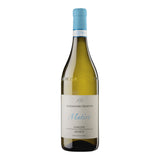
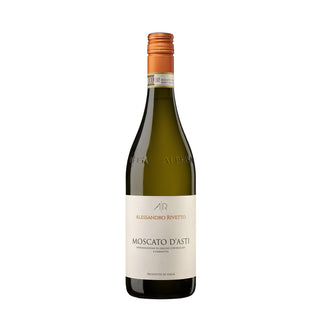
| Moscato d'Asti (Alessandro Rivetto) | Piedmont DOCG | Lightly sparkling, sweet, 5.5% | The original sweet style. Dessert and after dinner | ¥3,900 |
| Quojane Zibibbo | Sicily IGP | Still, dry, 13% | A child of Moscato Bianco | ¥5,280 |
| Grillo del Barone | Sicily DOC | Still, dry, 13% | A grandchild of the Moscato family | ¥4,400 |
| Langhe Arneis | Piedmont | Still, dry | Same producer, same hills, dry white | ¥4,500 |
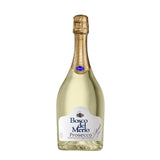
| Prosecco Millesimato Brut | Veneto | Sparkling, dry, 11.5% | A dry toast to compare bubble strength | ¥3,300 |
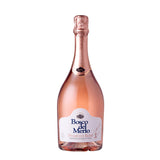
| Prosecco Rosé Millesimato | Veneto | Sparkling rosé, 11.5% | A festive opener before the Moscato | ¥3,700 |
| Verduzzo Passito Soandre | Veneto | Still, very sweet, 13.5% | Rich dessert wine for red bean sweets and baked treats | ¥6,200 |
Start with these two: sweet and off-dry
The quickest way to understand Moscato is to put a sweet one from Piedmont next to an off-dry one from Sicily. One sip shows how the same Moscato aromas can become either a dessert wine or a food wine, depending only on how it's made.
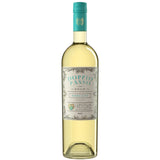
Sicilian Moscato in an off-dry style (first and exclusive import in Japan)
Doppio Passo Moscato 2024Doppio Passo
Doppio Passo Moscato is a still white made from Sicilian Moscato, fermented slowly at low temperature. In the glass it opens with nutmeg and rose petals, lychee and mango; on the palate there is a fresh, grapefruit and lime acidity. The sweetness is only a hint, so one bottle can carry you from the first course to the last. You can read more about the producer on our Doppio Passo page.
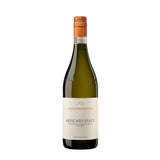
Rivetto's Moscato d'Asti is the original: sweet and lightly sparkling, from Moscato Bianco grown in the Langhe hills. Muscat and white peach on the nose, honeyed sweetness, and acidity to hold it all up. Serve it well chilled with dessert, or after dinner in a smaller glass.
Taste the family: Zibibbo and Grillo
Once you love the Moscato aroma, move on to its children and grandchildren. Zibibbo inherits that perfume but is made dry, with lychee and tropical fruit. Grillo is quieter on the nose, with citrus and a salty, seaside feel. Line up all three and you can taste the aromas calming down and the wine getting drier, step by step.
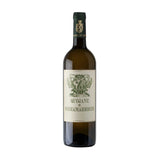
A child of Moscato Bianco. Dry, lychee-scented white
Quojane Zibibbo 2023Barone di Serramarrocco
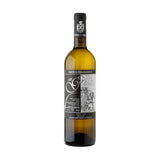
A child of Zibibbo. Dry, with citrus and sea breeze
Grillo del Barone 2023Barone di Serramarrocco
From the toast to dessert: sparkling and sweet partners
If Moscato d'Asti is the star after dinner, open the evening with a properly sparkling Prosecco. For very sweet desserts like red bean paste or baked treats, a passito made from dried grapes works better. Comparing bubble strength and depth of sweetness makes Moscato's place very clear.
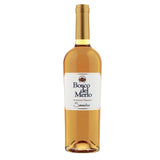
Very sweet wine from dried grapes, for rich desserts
Verduzzo Passito Soandre 2020Bosco del Merlo
Why choose Swirl's Moscato
You can buy wine almost anywhere today. Here, honestly and with real numbers, is why I'm confident recommending the Moscato in our cellar.
1. In Japan, Doppio Passo is only at Swirl
Swirl is the first and exclusive importer of Doppio Passo in Japan. In other words, the only official way to drink this Moscato in Japan is through us. Because we import it directly, we know exactly how the wine arrived from Italy and when the vintage changes. A bottle you won't find elsewhere, yet easy enough to open any night, is also a great conversation starter as a gift or at a home party.
2. Per glass, it's remarkably affordable
A 750 ml bottle pours about five standard glasses of 150 ml. Doppio Passo Moscato (¥2,200) works out at about ¥440 a glass, and even Rivetto's Moscato d'Asti (¥3,900) is about ¥780 a glass. That's a genuinely good Italian wine at home for less than many glasses poured when eating out.
| Wine | Bottle price (tax incl.) | Per glass (about 150 ml) | Alcohol |
|---|---|---|---|
| Doppio Passo Moscato | ¥2,200 | About ¥440 | 12.5% |
| Moscato d'Asti (Rivetto) | ¥3,900 | About ¥780 | 5.5% |
3. Just right for a weeknight
Drink a whole bottle of Moscato d'Asti and you've had about as much alcohol as just over two glasses of ordinary wine. Even with work the next morning, two people can comfortably finish a bottle. And it's one of the few wines that a light drinker and a wine lover can happily share from the same bottle.
4. Aperitivo, dessert and gifting
The off-dry Doppio Passo works from aperitivo through the meal; the sweet Moscato d'Asti belongs with dessert and after dinner. With these two bottles you can build a whole evening the Italian way, from the toast to the cake. The muscat aroma is easy to love even for people new to wine, which makes it a welcome birthday or seasonal gift.
5. It fits everyday life in Japan
Hanami picnics, barbecues, summer evenings on the balcony, year-end gatherings, birthday cakes: Japanese life is full of moments that suit a light, fragrant wine. Moscato isn't a "special occasion" wine. It's the wine you quietly add to seasonal events and weekend snack time.
Enjoying it in Japan: pairing with Japanese, Chinese food and sweets
Two rules cover most Moscato pairings. First: the dessert should not be sweeter than the wine, or the wine will taste sour. Second: meet spice and salt with sweetness and low alcohol. Alcohol amplifies chilli heat, while a sweet, low-alcohol wine softens it. Keep these two in mind and the Japanese table becomes easy.
| Dish | Recommended wine | Why it works |
|---|---|---|
| Prosciutto and melon | Moscato d'Asti | Melon sweetness and muscat aroma overlap, and the sweetness wraps the salty ham |
| Tempura (with salt) | Doppio Passo Moscato | Citrusy acidity cleans up the oil, and the aroma lifts the toasty batter |
| Mapo tofu, gapao, chilli prawns | Doppio Passo Moscato, Moscato d'Asti | A touch of sweetness and modest alcohol soften the chilli heat |
| Strawberry shortcake, fruit daifuku | Moscato d'Asti | Similar sweetness to cream and fruit, and the light fizz refreshes the palate |
| Dorayaki, kuri kinton, baked sweets | Verduzzo Passito | Rich red bean sweetness needs a truly sweet wine to match |
| Blue cheese (Gorgonzola) | Moscato d'Asti | Honeyed sweetness contrasts with salty, pungent cheese |
| Peaches, Shine Muscat grapes and other fruit | Moscato d'Asti | Fruit aromas and Moscato aromas simply mirror each other: the easiest match of all |
Perception vs reality
The idea that "sweet wine doesn't go with food" usually comes from overly sweet mass-market wine, or from pairing it with the wrong dish. In reality, a Moscato with balanced sweetness and acidity loves salt, spice and oil, and blends naturally with the sweet-and-savoury flavours of Japanese and Chinese cooking. Japanese home dishes that already carry sweetness, such as teriyaki or sukiyaki, are actually Moscato's home ground.
Tips for home: temperature and keeping an open bottle
- Temperature: chill Moscato d'Asti well in the fridge and serve at 6 to 8°C. Doppio Passo shows its aromas best at around 8 to 10°C, about five minutes out of the fridge.
- No cellar needed: both are made to drink young. Keep them upright somewhere cool and dark or in the fridge, and enjoy within a few months. There's no need to age them.
- Once opened: close Moscato d'Asti with a sparkling wine stopper to keep the fizz and refrigerate; aim to finish it within 2 to 3 days. The still Doppio Passo keeps well for about 3 to 4 days with an ordinary wine stopper.
- Glass: a white wine glass with a slightly rounded bowl shows the muscat aroma better than a narrow flute.
How to choose: from the taste you like to your next bottle
Follow the family from a style you already enjoy, and your next Moscato won't miss.
- You love sweet wine and want it with dessert → Moscato d'Asti
- Too much sweetness isn't for you, but you love the muscat aroma → Doppio Passo Moscato
- You like aromatic dry whites (such as Gewürztraminer) → Quojane Zibibbo
- You like crisp dry whites (such as Sauvignon Blanc) → Grillo del Barone
- You like proper bubbles → Prosecco; for sweet bubbles, Moscato d'Asti
- You like rich dessert wines → Verduzzo Passito
For the full family tree of Moscato and its relatives, see our grape family tree guide; for Zibibbo, read What is Zibibbo?; and for northern Italy's fully sparkling wine, see What is Prosecco?
FAQ
Q. How much alcohol does Moscato d'Asti contain?
A. The rules allow 4.5 to 6.5%, and most bottles are about 5.5%. That's similar to beer and less than half of a typical wine (12 to 14%), so it's easy to enjoy even if you don't drink much.
Q. What's the difference between Moscato d'Asti and Asti Spumante?
A. Both are DOCG wines from Moscato Bianco grown in Piedmont. Moscato d'Asti is lightly sparkling, about 5.5% alcohol, sweeter and more delicate. Asti ferments longer, is fully sparkling, and is usually around 7 to 9.5% alcohol.
Q. Are "Moscato" and "Moscato d'Asti" the same thing?
A. A common misconception, but no. "Moscato" is the grape, made all over the world in styles from sweet to dry. "Moscato d'Asti" is a name only DOCG wines from a defined Piedmont area and method may use. There are also still, off-dry Moscatos from Sicily, like Swirl's Doppio Passo Moscato.
Q. Doesn't sweet Moscato clash with food?
A. Not at all. A light sweetness and low alcohol suit the heat of mapo tofu or Southeast Asian food, and the saltiness of prosciutto or blue cheese. It also works with sweet-savoury Japanese dishes like teriyaki and sukiyaki. During the meal choose the off-dry Doppio Passo; after it, Moscato d'Asti.
Q. How long does an open bottle last?
A. Keep Moscato d'Asti in the fridge with a sparkling wine stopper and finish it within 2 to 3 days. The still Doppio Passo Moscato stays good for about 3 to 4 days, stoppered and refrigerated.
Q. Does it get better with age?
A. No. Moscato d'Asti is all about fresh grape aromas, so it's at its best young, within a year or two of the harvest. No cellar needed: just chill it and enjoy.
Chill it well and keep it light. Don't overthink it, just start with one glass. That's the best way to enjoy Moscato.
Sources: Consorzio dell'Asti DOCG, "Moscato d'Asti DOCG"; Wine Folly, "Moscato d'Asti DOCG" and "The Magic of Moscato d'Asti"; Paesaggi Vitivinicoli UNESCO, "Canelli and Asti Spumante"; EU Regulation 2023/1327 (Canelli DOCG); Doppio Passo official site, "Moscato Sicilia DOC"; Wikipedia, "Muscat of Alexandria".


Comments (0)
There are no comments for this article. Be the first one to leave a message!