

Wine is "fermented grape juice" — but once you understand how it's made, you begin to see the countless decisions hidden in every glass. When to harvest, which vessel to ferment in, how long to age. Every judgment call the winemaker makes shapes the final taste.
As a sommelier trained in Italy, understanding the winemaking process was more fundamental to my education than memorizing grape varieties or appellations. Asking "how was this wine born?" sharpens your tasting precision dramatically.
The Common Misconception: You Can't Just Crush Grapes and Wait
"Squeeze some grapes, leave them, and wine appears naturally" — technically true in the broadest sense, but a major oversimplification in practice. In modern winemaking, uncontrolled spontaneous fermentation rarely guarantees consistent quality. Winemaking is a precise craft that demands both science and sensory intuition.
Consider the biggest difference between red and white wine: skin contact time. White wine has its skins removed immediately after pressing; red wine ferments together with skins, seeds, and pulp to extract color and tannin. The length of that contact determines color, texture, and structure.
The Complete Winemaking Process: Harvest to Bottle
| Stage | What Happens | Winemaker Choices |
|---|---|---|
| Harvest (Vendemmia) | Assess ripeness; pick by hand or machine | Early pick (higher acid) vs. wait for full ripeness (more concentration) |
| Destemming & Crushing | Remove stems; lightly break the berries | Whole-cluster fermentation vs. 100% destemmed (modern) |
| Fermentation | Yeast converts sugar to alcohol and CO2 | Stainless steel (fruity) vs. oak barrel (complexity) vs. terracotta (oxidative) |
| Maceration (red) | Skin contact extracts tannin and color | Short (3–5 days) vs. extended (3–4 weeks) |
| Pressing | Separate solids; extract the wine | Free-run juice (delicate) vs. press wine (powerful) |
| Aging (Affinamento) | Develop complexity in barrel, steel, or bottle | New oak (vanilla, spice) vs. old oak (oxidative complexity) vs. large cask (micro-ox) |
| Fining & Filtration | Clarify and stabilize | Unfined (natural) vs. light fining (middle) vs. full filtration (commercial) |
| Bottling (Imbottigliamento) | Seal in the final product | Cork (long aging) vs. screw cap (oxidation prevention) |
How Does Winemaking Style Differ by Region?
| Region | Key Grape | Winemaking Traits | Typical Style |
|---|---|---|---|
| Tuscany – Maremma | Sangiovese | Stainless fermentation + large-cask aging; increasing barriques | Red cherry, earth, moderate tannin |
| Piedmont | Nebbiolo (Barolo) | Extended maceration, Slavonian oak botti | High tannin, rose, tar, iron |
| Veneto | Glera (Prosecco) | Charmat method (tank secondary fermentation); early-drinking | White peach, floral, apple, light bubbles |
| Puglia | Primitivo | Short high-temp fermentation, some oak aging | Blackberry, prune, spice, high alcohol |
| Abruzzo | Montepulciano | Stainless fermentation, medium maceration | Dark cherry, herb, spice, firm acid |
How the Winemaker's Philosophy Shapes the Wine — and Why It Matters for Enjoying Italian Wine in Japan
Japan's culture of "knowing the producer before you drink" is still developing. But understanding the winemaking process changes the questions you ask when tasting: "Why is this wine so tannic?" "How long did it age?" "Is that wild aroma from native yeast?" These questions unlock a deeper enjoyment of wine.
Systematic winemaking science emerged in 19th-century Europe. About 20 years after Louis Pasteur explained fermentation in 1857, Italy was among the first to apply that knowledge in education. In 1876, Italy's first dedicated winemaking school, the Scuola Enologica di Conegliano (now G.B. Cerletti Scientific Technical High School), was founded in Conegliano, Veneto. Still active today, the school has been producing generations of Italian winemakers for over 150 years. Modern Italy's quality wine revolution arguably started in that small Veneto town.
Federico's Recommendation
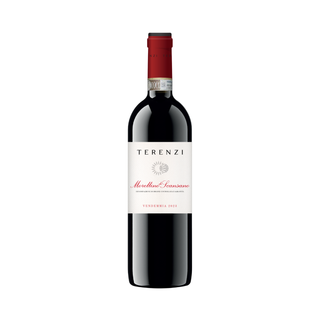
Once you understand the winemaking process, the wine to try is Terenzi's Morellino di Scansano. This DOCG from Tuscan Maremma producer Terenzi is 100% Sangiovese — fermented in stainless steel to preserve pure fruit character, then aged in oak long enough to add roundness and complexity. Red cherry, ripe plum, earthy notes. Tannin is soft, acidity clean and balanced. Drink it knowing what went into every choice, and the whole story appears in the glass.
3 Tips for Choosing Well-Made Wine
To find wines where the winemaker's philosophy shows, look for a few things. First, check whether the label includes specific winemaking information — producers who note "hand-harvested," "barrrique-aged X months," or "unfined" are prioritizing transparency. Second, see whether the importer's description includes the producer's story. And when possible, try comparing vintages: tasting two or three vintages of the same producer teaches you both the climate and the winemaking influence.
Frequently Asked Questions
Q. Do white wine and red wine use different winemaking methods?
The basic fermentation process is the same, but the key difference is skin handling. White wine has skins removed immediately after pressing; red wine ferments with skins to extract tannin and color. Rosé uses an intermediate process.
Q. How does barrel aging affect wine?
New oak adds flavors of vanilla, nuts, and spice and rounds the wine out. Old barrels and large casks increase oxidative complexity while contributing less wood flavor. Stainless steel preserves pure, fruit-forward aromas.
Q. Is a screw cap lower quality than a cork?
Not at all. Screw caps completely eliminate cork taint and are ideal closures for wines meant to be drunk young to mid-term. Corks are more common for wines intended for long aging, but modern screw caps now handle extended aging as well.
Q. What makes natural wine different from conventional wine?
There's no official definition, but natural wines are generally characterized by no or minimal added sulfites, fermentation with native yeasts, and no fining or filtration. They tend to have more individual character and can show wilder aromas or slight haze.
Q. Why does the same wine taste different across vintages?
The year's climate — rainfall, temperature, sun exposure — directly affects grape ripeness and health, even for the same producer in the same place. Cooler years yield higher acidity and more elegance; warmer years tend toward richer fruit and concentration.


Comments (0)
There are no comments for this article. Be the first one to leave a message!