

Inzolia is a crisp, light, dry white wine made from one of Sicily's signature white grapes. It charms with aromas of lemon and almond and a gentle roundness. At home in Sicily it is called "Insolia," in English you will see "Inzolia" or "Insolia," and in Tuscany the same grape goes by "Ansonica." They are all names for the same variety.
I import and pour Italian wine all over Tokyo, and Inzolia is one of those quietly brilliant bottles: little known, but it wins people over with the first glass.
A common misconception: a rare grape does not mean "for geeks only"
The name can sound intimidating, but the wine is very easy to love. Not too sharp, and not sweet, yet genuinely friendly with Japanese food. It is an everyday white for the dinner table. The other source of confusion is the name itself. Inzolia, Insolia, Ansonica: these are all the same grape, simply called different things in different regions and eras. Different spellings, same wine, nothing to worry about.
Tasting profile
Fresh ripe citrus and green apple meet notes of toasted almond and herbs. The acidity is gentle, and a soft savoury note lingers on the finish. Do not over-chill it: let the temperature rise a little and the aromatics open up.
| Item | Character |
|---|---|
| Body | Light to medium |
| Acidity | Gentle |
| Aromas | Lemon, green apple, almond, herbs |
| Sweetness | Dry |
| Serving temp. | 8 to 10°C |
How style changes by region
Inzolia's main home is western Sicily, around Trapani and Marsala, where it grows in sea breezes and strong sunshine. Historically it was also a key grape in Marsala, Sicily's fortified sweet wine. Vineyards near the coast tend to show a saline, mineral edge, while inland sites give rounder, fruitier wines.
| Region | Style tendency |
|---|---|
| Western Sicily (Trapani, Marsala) | Saline minerality, crisp and dry |
| Inland and higher Sicily | Rounder fruit, more floral aromatics |
| Tuscan coast (Ansonica) | Fuller fruit, a pleasant bitter finish |
In the cellar, the typical approach is a slow, cool fermentation finished in stainless steel. Skipping oak keeps the grape's fresh fruit and herbal lift intact. "Stainless-steel fermentation" simply means fermenting under careful temperature control so the aromatics are not lost. That is where Inzolia's lightness comes from.
How to enjoy it in Japan, and what to pair
Inzolia is a wonderful match for the Japanese table. Sashimi, white-fish carpaccio, tempura, salt-grilled fish: anything you would squeeze lemon over will almost certainly work. Its gentle acidity and minerality cut cleanly through fried food, and it is surprisingly good with summer noodles like hiyashi chuka or somen.
Here is one window into western Sicily. The port town of Trapani has a local specialty called "cous cous alla trapanese" (cùscusu), a seafood couscous that crossed the sea from North Africa and put down roots here. It is almost unknown in Japan, but locally it is everyday food, eaten at home and at festivals alike, and the nearby town of San Vito Lo Capo even holds a huge couscous festival every year. Chill this local white, Inzolia, and serve it with seafood couscous: that is coastal Sicily in a single glass.
A small tip for Japanese homes: even without a wine cellar, take the bottle out of the fridge about 30 minutes before drinking and it will warm to its most fragrant, delicious temperature. Serving it ice-cold locks away those lovely almond and herb aromas, which would be a shame.
Federico's pick
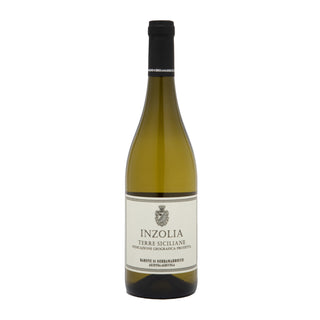
If you want to try Inzolia, this is the bottle I most often pour: Inzolia from Barone di Serramarrocco, a producer in Erice, Sicily. Grown with sustainable farming, it is the kind of wine you want to call a white from the sea. You can order it directly from the card below.
If you like crisp whites, two other Italians worth a look are Pinot Grigio and Vermentino. Tasting them side by side shows how much region shapes character.
Choosing it, and similar grapes
For your first bottle, choose a Sicilian one made with sustainable or organic farming and you will meet the honest flavour of the land. Chill it well and let it carry you from antipasti through to fish. For a similar mood, Pinot Grigio is close for lightness and Vermentino for minerality. To explore more varieties, see our grape variety guide.
Frequently asked questions
Q. Are Inzolia and Ansonica different grapes?
A. They are the same grape. In Sicily it is called "Inzolia (Insolia)," and in Tuscany "Ansonica."
Q. Is it sweet or dry?
A. It is essentially dry. The fruitiness can read as a touch sweet, but there is little residual sugar and the finish is clean.
Q. What food does it go with?
A. Seafood of all kinds, tempura, sashimi, and even chilled noodles. If lemon suits the dish, Inzolia almost always does too.
Q. A common mistake?
A. Over-chilling. Ice-cold temperatures hide the aromas. Aim for 8 to 10°C and let it warm slightly.
Do not overthink it: just chill a glass and pour. I would love for you to feel Sicily's sea breeze at your table in Tokyo.


Comments (0)
There are no comments for this article. Be the first one to leave a message!