

Syrah is a red wine grape originating in France's Rhône Valley, defined by black pepper spice and dense dark fruit aromas. In Australia and South Africa it's called "Shiraz," but it is genetically identical to Syrah — the same grape, different name. In 1999, researchers at INRA Montpellier used DNA analysis to identify Syrah's parent varieties: its father is Dureza, an obscure, near-extinct red grape from the Ardèche, and its mother is Mondeuse Blanche, a white variety from Savoie. Syrah is therefore a naturally occurring cross that was born in the Rhône Valley — a purely French grape with roots that go no further than France.
Common Misconceptions: "Shiraz and Syrah Are Different" and the Persian Origin Legend
Two myths surround this grape. First, that "Syrah (France) and Shiraz (Australia) are different varieties." They are not — the grape is identical. Second, that Syrah takes its name from Shiraz in Iran, or from the ancient Sicilian city of Syracuse. Both are romantic stories, but the DNA evidence definitively rules them out. The grape emerged from natural crossbreeding in the Rhône Valley; its name likely comes from the village of Seyssuel near Vienne in northern Rhône. In Japan, wine lists often mix "Syrah" and "Shiraz" — treat them as the same grape and you won't go wrong.
Flavor Profile
Syrah's defining characteristic is spice — particularly black pepper, a note so closely associated with this variety that it's almost diagnostic. Ripe dark fruit (blackberry, cassis, dark cherry) builds behind the pepper, followed by smoke, olive, and leather. Tannins are firm but often have a silky quality; acidity is medium.
| Attribute | Typical Character |
|---|---|
| Body | Medium to full |
| Acidity | Medium |
| Tannins | Medium to firm (often silky texture) |
| Primary aromas | Black pepper, blackberry, smoke, olive, leather |
| Alcohol | Medium to high (13–15%) |
| Serving temperature | 16–18°C |
Style by Region
| Region | Style |
|---|---|
| Northern Rhône (Côte-Rôtie, Hermitage) | Elegant, pepper-forward, high aging potential; top-tier appellations |
| Southern Rhône and Languedoc | Jammier and fruit-forward; broad range from everyday to natural wine |
| Australia (Barossa Valley, McLaren Vale) | Dense and jammy, high alcohol, pronounced vanilla from oak |
| Italy (Veneto, Tuscany, etc.) | Used as an international variety in Super Tuscans and blends; balance of fruit and elegance |
Northern Rhône producers typically use French oak barriques for extended aging, building smoke and spice complexity. Australian Barossa Shiraz often uses American oak or larger vessels to amplify jammy fruit. Italian Syrah tends to fall between these poles — clear fruit definition and accessible spice that reads as food-friendly rather than bombastic.
Enjoying It in Japan: Surprising Spice Harmonies
When I pour Syrah for guests in Tokyo, the reaction that always surprises people is how well the grape's spice character resonates with Japanese food. Yakitori skewers seasoned with shichimi togarashi, or unagi kabayaki with sansho pepper: the wine's black pepper nuance picks up on those aromatic spice notes and amplifies the umami on both sides.
Another excellent match is beef braised in red wine or a teppanyaki ribeye. Syrah's silky tannins frame the richness of the meat without overwhelming it — a more food-friendly structure than some of its big-red counterparts.
Decanting pays dividends here. A full-bodied Shiraz-style opened and left in a decanter for one to two hours before serving reveals much more aromatic complexity. Even without a decanter, just letting the wine breathe in the glass for 15 to 20 minutes makes a noticeable difference.
Federico's Recommendation
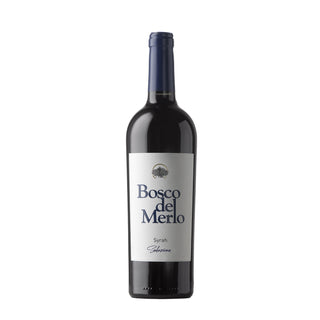
The bottle I reach for most is Syrah Seduzione from Bosco del Merlo in Italy's Veneto. It carries the grape's signature spice, but layered with blueberry and raspberry — a more Rhône-like elegance than a typical Australian-style. The name means "seduction" in Italian, and it earns it: one glass tends to lead to another. A brief decant opens it up beautifully.
How to Choose, When to Drink, and Similar Grapes
Start by deciding whether you want French refinement or Australian richness. For French style, look for "Syrah" on the label from northern or southern Rhône, or Languedoc. For Australian style, "Shiraz" from Barossa or McLaren Vale will deliver jammy, accessible power. If you enjoy Syrah, Sangiovese is a natural next step for Italian character, and Zinfandel/Primitivo explores the other end of the fruit-forward, spicy spectrum. Entry-level bottles are best drunk young; serious appellations reward patience.
Frequently Asked Questions
- Q. Are Syrah and Shiraz different grapes?
- No — they are the same variety. "Syrah" is used in France and most of Europe; "Shiraz" is the convention in Australia and South Africa. The grape is identical; winemaking style accounts for the difference in taste.
- Q. Did Syrah originate in Shiraz, Iran?
- It's a compelling legend, but DNA evidence has disproved it. Syrah is a natural cross of two French grape varieties and originated in the Rhône Valley of France.
- Q. What Japanese foods pair with Syrah?
- Yakitori seasoned with shichimi, unagi kabayaki with sansho, braised beef in red wine sauce. The grape's pepper and spice notes harmonize especially well with dishes that have their own spice component.
- Q. Is decanting necessary?
- For young, full-bodied Shiraz styles (especially Australian), one to two hours in a decanter makes a significant difference. Lighter Rhône-style Syrah doesn't require it, but 30 minutes of air contact improves the aromas.
- Q. I found Syrah too alcoholic. What went wrong?
- High alcohol amplifies intensity when the wine is too warm. Aim for 16 to 18°C. In summer, simply taking the bottle from the fridge 30 to 45 minutes before serving hits that range and transforms the experience.


Comments (0)
There are no comments for this article. Be the first one to leave a message!