

Sauvignon Blanc is a white-wine grape known for fresh acidity and vivid aromas of herbs and citrus. It is the classic "aromatic" grape, one whose own scent is strong, so grapefruit, lime, fresh-cut grass and herbs rise straight out of the glass. With clean acidity and a crisp finish, it is a great entry point into white wine.
Tasting profile: aromatic and crisp
Light and dry, with lively high acidity. Because its aromas are so clear and expressive, even people new to wine can read the differences easily. Serve it well chilled and that freshness shines all the more.
| Aspect | Tendency |
|---|---|
| Body | Light |
| Acidity | High |
| Aromas | Citrus, herbs, fresh grass, (by region) tropical |
| Style | Dry |
Sauvignon Blanc and me
Sauvignon Blanc was actually my "usual bottle" back when I first started drinking wine. I first met the grape at Expo 2015 in Milan, during a period when I worked alongside the sommeliers of the Friuli sommelier association. They were genuinely hard-working, and they taught me a great deal about terroir (the character of a place) and about producers. The first Sauvignon Blanc I tasted there won me over instantly. Aromatic and easy to read, yet with real depth: gentle for a beginner, and the more you learn the more interesting it gets. That is the kind of grape it is.
How style changes by region
Even within Sauvignon Blanc, the character shifts a lot by region.
| Region | Style |
|---|---|
| Loire, France (Sancerre and more) | Minerality and a flinty note, taut and dry |
| New Zealand (Marlborough) | Showy, powerful aromas like passionfruit |
| Northeast Italy (Friuli to eastern Veneto) | Mineral and saline, a dry style built for the table |
For me, I loved Loire Sauvignon at first. But over time I was drawn to New Zealand Sauvignon, and today it is a real favourite: the aromas are more powerful, and that lift through the nose is unforgettable.
The Sancerre way: goats living right beside the vines
In Sancerre, in the Loire, there is a golden pairing every local knows by heart: Sancerre blanc (Sauvignon Blanc) and Crottin de Chavignol, a small goat cheese. Chavignol is a hamlet set right in the middle of the Sancerre vineyards, where the Sauvignon vines and the goat pastures sit side by side. Wine and cheese raised on the same soil can hardly fail to get along. The cheese is a venerable one, granted AOC status (an appellation of origin, with place and quality guaranteed by the state) in 1976 and EU PDO status in 1996.
The name "crottin" has a charming origin. In the local Berry dialect "crot" meant a hollow by the riverbank, and the clay dug there was first shaped into little terracotta oil lamps, then into the small molds used to drain the cheese. The shape of that mold gave the cheese its name (nothing to do with the cruder meaning the modern word might suggest). The Friuli sommeliers I trained with said the same thing: wine and food are best introduced to each other within the same landscape. So when you open a Sancerre, set out a slightly aged goat cheese alongside it. The sharp acidity rinses the richness clean away and pulls you straight into the next sip.
An Italian standout: Turranio
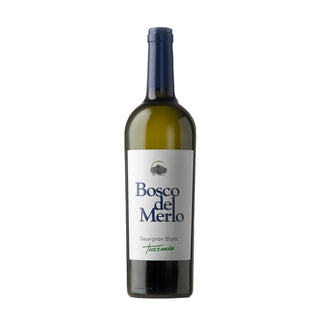
What Swirl brings you is Sauvignon Blanc Turranio from Bosco del Merlo in eastern Veneto (a fine-wine area close to Friuli). It captures the region's minerality beautifully: you feel a faint saltiness and savouriness on your lips and the tip of your tongue. Aromatic, yet with an elegance that slips right alongside a meal.

What food pairs with Sauvignon Blanc?
It is a natural with fresh seafood and shellfish, salad, and goat cheese (chèvre). With Japanese food it suits sashimi, tempura (with lemon or salt), white-fish carpaccio and dishes with aromatic vegetables. It excels alongside anything with herbs or citrus.
How to choose, and serving temperature
If you are new to it, try an expressive New Zealand bottle or a food-friendly Italian one. Serve well chilled at 7 to 10 degrees and the balance of acidity and aroma really stands out.
Related grape variety guides
Curious about other white wine grapes? Explore these guides.
- Chardonnay guide: the classic full-bodied dry white
- Pinot Grigio guide: light and dry, a northern Italian staple
- Vermentino guide: a mineral white with the sea breeze of Sardinia
- Arneis guide: Piedmont's native Roero white
FAQ
Q. Is Sauvignon Blanc sweet?
A. Almost always dry. The showy aromas can read as sweet, but the taste is a crisp, dry white.
Q. Is it easy to drink for beginners?
A. Yes. As an aromatic grape with clear scents, it is a perfect entry point for sensing the differences between white wines.
Q. How do Loire and New Zealand differ?
A. Loire leans on minerality and taut acidity; New Zealand on showier, more powerful aromas.
Q. How is it different from Chardonnay?
A. Chardonnay has roundness and richness, while Sauvignon Blanc is lighter, higher in acidity, with sharp herb and citrus aromas.
Q. What does it pair with?
A. Seafood, salad, goat cheese, sashimi and tempura. It loves dishes with herbs or citrus.
Chill it well and start with the aroma. Aromatic Sauvignon Blanc is the most enjoyable doorway into white wine.


Comments (0)
There are no comments for this article. Be the first one to leave a message!