

The wine to cook with is not a special "cooking wine," but a wine you would happily drink yourself. In Italy there is a deep-rooted idea: never cook with a wine you would not drink. The flavor of the wine you use in a braise or a sauce reduces down and stays in the dish. Use a good wine and the food tastes good; use a dull wine and the food tastes dull.
I am Italian, and I import Italian wine in Tokyo. In my family kitchen there was always a bottle of that day's red or white standing beside the stove. My mother would sip a taste and pour the rest into the pot. This is an utterly ordinary scene in an Italian home. In this guide I cover how to choose red versus white, when to add it, and how to make delicious use of wine you could not finish, all in a form you can use at home right away.
A common misconception: you do not need to buy "cooking wine"
The "cooking wine" sold at the supermarket: many of you have probably picked it up, but it is not strictly necessary. What to watch out for, in fact, is that some products have salt or preservatives added. When salt is in it, the seasoning of your dish goes off easily and the result tends to turn too salty, sometimes ruining a carefully made braise.
Italian homes have almost no notion of "cooking wine." They use the leftover of a wine they enjoyed drinking, straight into the pot. You do not need to pour an expensive wine into your cooking, but choosing an affordable, honestly flavored wine that you would happily drink a glass of is plenty. A straightforward red or white in the lower price range is the easiest to cook with. Drink it fresh on opening, and tomorrow the rest goes into the braise. This flow is the most natural, the most delicious, and wastes nothing.
People often ask, "We have sake and mirin, so why use wine in cooking?" The answer is simple: wine brings aromas and acidity that sake does not. Red wine adds berry-like fruit and depth; white adds a citrus and herbal freshness. It pairs especially well with Western ingredients like tomato, butter, cheese and herbs, and even a small splash in an everyday nikujaga or simmered fish gives an unfamiliar new depth. Do not overthink the rules: "use wine when you want to lean Western" is attitude enough.
Red or white? The basics of cooking with wine
For cooking wine, the classic starting guide is red for meat, white for fish. But the real key is "the color and weight of the sauce you want to finish with." Red for a deep brown braise, white for a clear, light sauce, is an easy way to think about it.
Dishes that use white wine
- Wine-steamed seafood (clams, sea bream)
- Chicken and pork braised in white wine
- Risotto and pasta sauces
- Butter sauces, cream sauces
- Pickles, marinades
Dishes that use red wine
- Beef braised in red wine, beef stew
- Meat sauce, ragù, bolognese
- Demi-glace Western dishes (hamburg steak sauce)
- Sautéed mushrooms and liver
- Fruit poached in red wine, sangria
Here is a quick reference of the role wine plays, by style.
| Dish type | Wine to use | Role of the wine |
|---|---|---|
| Steamed seafood, white-fish braise | Dry white | Removes odor, tightens umami with acidity |
| Cream and butter sauces | Dry white | Adds acidity to the richness for a lighter finish |
| Risotto | White, sparkling | Infuses the rice with acidity and aroma |
| Beef and pork braises | Fruity red | Tenderizes the meat, adds depth and aroma |
| Meat sauce, ragù | Light red | Bridges tomato acidity and meat umami |
| Fruit poaching, sangria | Sweet, light red or white | Layers fruit sweetness and aroma |
The basics of use: when and how much to add
The rule is to always bring wine to a boil after adding it, to burn off the raw edge of the alcohol and leave only the delicious acidity and aroma in the dish. The timing changes with the dish.
Braises and sauces: after sautéing the meat or vegetables, pour in the wine and bring it to a brisk boil. Scrape the bottom of the pan with a wooden spoon (deglaze) to dissolve the browned umami, then add stock or tomato. A rough guide is half a cup to one cup for two to four servings.
Steamed seafood: pour white wine over clams or white fish in a pan, cover, and steam hard in one go. The alcohol escapes with the steam, leaving umami and aroma behind.
Risotto: a splash of white wine over the rice as it toasts. When it sizzles and the aroma rises, start adding stock little by little.
Marinades: when not heating, use a wine that is good to drink as is. The acidity migrates gently into the ingredient, keeping meat and fish moist. White wine with olive oil and herbs keeps even lean chicken breast juicy rather than dry.
Add too much and the acidity or harshness takes over, so the fail-safe trick is to start from "maybe a touch too little" and add more as you taste.
What heat does to wine
When you cook with wine, the heat changes what is inside it. Knowing this mechanism makes the result easier to control.
- Alcohol evaporates: alcohol boils off at a lower temperature than water. Bring it to a boil and the raw edge leaves, with only the fragrant part staying in the dish. A brief heating leaves some behind, so simmer longer if it concerns you.
- Acidity and flavor concentrate: as water evaporates, the wine's acidity and fruit aromas grow concentrated. That is why adding too much turns things sour and harsh. Adding from a small amount is the iron rule.
- Tannin (astringency) softens: the astringency of red wine, simmered for a long time, binds with the protein and fat of the meat and turns mellow. Even a tannic red loses its edge and becomes depth when braised.
- Sugar becomes sweet richness: the wine's sugar turns into a glossy richness with heat, giving the sauce sheen and roundness. A small amount of a sweet wine lends a gentle softness to the dish.
In short, the same wine behaves differently when drunk raw and when cooked. A red too astringent to enjoy shines in a braise, and a white with clean acidity sharpens a sauce. The bottle you thought was "not great to drink" is exactly the one to put to work in the kitchen.
Wine dishes that change by region: Tuscany's peposo, Piedmont's brasato
Italy has braises where the wine itself is the star in every region. Knowing the regional story lifts the mood when you cook them at home.
Near Florence in Tuscany, in a town called Impruneta, there is peposo, a black-pepper beef braise in red wine. As the story goes, the kiln workers (fornaciai) who fired the terracotta tiles for the dome of Florence's cathedral designed by Brunelleschi simmered cheap beef with Chianti wine and plenty of black pepper for hours in the residual heat of the kilns. It is a dish of working people's wisdom, born on a 15th-century building site.
Piedmont has brasato al Barolo: a whole bottle of the prestigious Barolo used to braise beef over a full day, a Sunday feast. You might think it a waste to drink, but locally the thinking is "good meat deserves good wine," and they deliberately pour a fine wine into the pot. You do not need to reproduce this exactly in Japan, but braise beef in a firm red and you can approach that depth at home. Using a red with acidity, like Nebbiolo or Sangiovese, lets you eat even fatty meat cleanly.
What these regional dishes share is that every one uses "the wine drunk every day in that place." Not a special wine, but a familiar bottle poured into the pot: Chianti Sangiovese for peposo, Piedmont Nebbiolo for brasato. Because the local wine and the local dish share the same blood, they match astonishingly naturally. At home too, using the bottle you usually drink is the most delicious shortcut.
Delicious ways to use up leftover wine
"I opened it but could not finish it." That is exactly when cooking comes in. Even a wine whose aromas have faded from oxidation becomes a fine seasoning once heated.
- Freeze in an ice tray: pour leftover red or white into an ice tray and freeze into cubes. Handy to drop one at a time into braises and sauces. Keeps for several weeks in the freezer.
- Into a braise the same day: into tomorrow's meat sauce or beef stew. Since it is heated, faded aroma does not matter.
- Into sangria: red or white, add fruit and a little sweetness and leave overnight. It becomes a glass you would never guess was a leftover.
- Fruit poached in red wine: simmer figs or pears gently with red wine and spices. It becomes dessert.
- In place of vinegar: a tiny amount as the acid in a dressing. White wine is especially easy to use this way.
One more worth remembering is a "red wine sauce" made by reducing leftover red. Reduce red wine by half in a small pan, add a little honey and butter, and you have a proper sauce for steak, duck or hamburg steak. It is the most satisfying way to use up a leftover, turning it into a feast of a plate. With white wine, reduce it the same way and add lemon and butter for a light sauce that suits fish and chicken.
An opened wine, stoppered tightly and stood up in the fridge, is good for cooking for several days. The smaller the surface in contact with air, the longer it lasts, so decanting it into a small bottle is a good idea too. Thinking "drink today, cook tomorrow" lets you enjoy a bottle with nothing wasted. Freed from the pressure of "I have to finish it," you will find yourself opening a bottle more freely.
Using wine in Japanese cooking: a surprising affinity
Cooking with wine is not only for Italian and French food. It settles smoothly into Japanese cooking too. Using just a little wine in place of sake or mirin brings a new aroma to a dish. Here are the uses I most often suggest to customers.
| Japanese dish | Wine to use | Effect |
|---|---|---|
| Nikujaga, sukiyaki warishita | Light red | Adds fruit depth to the sweet-savory |
| Teriyaki of yellowtail or mackerel | White or light red | Tames the oily-fish odor, brings sheen |
| Clams steamed in wine | Dry white | In place of sake. A herbal aroma |
| Simmered chicken, braised wings | White, rosé | Both clean and rich at once |
| Sweet-simmered apple or sweet potato | Sweet, Moscato | Natural sweetness and floral aroma |
For example, a little light red added to buri-daikon tames the oily-fish character and brings out sheen and depth. White added to a simmered-chicken dish finishes it clean with gentle acidity. A small splash of light red in sukiyaki warishita adds a fruit depth to the sweet-savory and makes an everyday plate a little more of a feast. In all of these, the trick is not to "replace sake with wine" but to "add a little as a hidden accent."
The point for home use is "start small." Japanese cooking is delicate, so too much wine leans it too Western. Try from a teaspoon to a tablespoon, just enough for the aroma to waft up. And do not forget to bring it to a boil after adding, to burn off the alcohol. No wine cellar needed: a half-finished bottle in the fridge is plenty. A little discovery awaits in your usual Japanese cooking.
Swirl bottles good to drink and good to cook with
For cooking, first reach for "an affordable bottle that is good to drink." Here are everyday wines fine to drink straight or to pour into the pot. All are in a price range easy to open, so you need not hesitate to use them in cooking. Check stock and price on each product page.
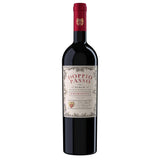
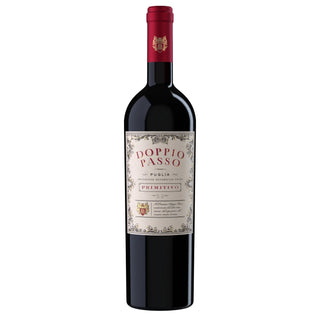
For red braises and meat sauce. Affordable and fruit-rich (Japan's first exclusive import)
Doppio Passo Primitivo 2024Doppio Passo
For ragù and demi-glace. Sicilian Nero d'Avola
Baglio di Serramarrocco 2022Barone di Serramarrocco
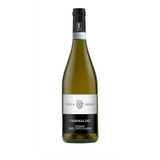
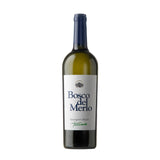
For marinades and pickles. Herb-scented dry white
Sauvignon Blanc Turranio 2024Bosco del Merlo
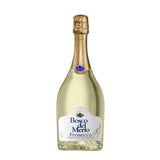
For risotto and steamed seafood; the rest into sangria
Prosecco Millesimato Brut 2024Bosco del Merlo
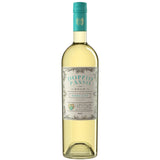
For fruit poaching, sangria and dessert. Affordable sweet
Doppio Passo Moscato 2024Doppio Passo
How to choose: picking a wine to cook with
When in doubt, choose from the dish you want to make.
- You often make beef braises or meat sauce, choose an affordable red (Primitivo)
- You make a lot of steamed seafood or risotto, choose a light white (Pinot Grigio)
- Cream and butter sauces, choose a dry white with acidity (Soave)
- You want to enjoy fruit poaching or sangria, choose a sweet (Moscato)
- You want one bottle that both drinks and cooks well, a Sangiovese red
For the basics of storage and temperature, see also Storing Wine at Home in Japan Without a Cellar.
Frequently asked questions
Q. Is a cheap wine enough for cooking?
A. You do not need an expensive wine, but a wine that "tastes bad to drink" makes the food taste bad too. A straightforward, fruit-forward wine in the lower price range is easy to use and good to drink as is. The ideal is to put the rest of what you opened into tomorrow's cooking.
Q. What is the difference between "cooking wine" and regular wine?
A. Some products sold as cooking wine have salt or preservatives added. Salt throws off your seasoning, so check the ingredient label. A drinking wine has nothing extra and is safe to use.
Q. Does the alcohol really cook off?
A. Most of it goes with heating, but a short heating leaves some behind. For dishes served to small children or anyone avoiding alcohol, bring it to a firm boil and heat it longer. If in doubt, keep the amount modest.
Q. How long can leftover wine be used for cooking?
A. Stoppered and stood up in the fridge, it is good for cooking for several days. Faded aroma does not matter once heated. Freeze what you cannot use in an ice tray and use one cube at a time as needed.
Q. What is the common mistake?
A. Turning off the heat right after adding the wine. The raw edge of the alcohol stays and the dish tastes sharp. Always bring it to a boil after adding, burn off the alcohol, then move on to the next step.
One bottle beside the stove, a wine that is good to drink. That is the most delicious "cooking wine" of all.
Reference: on the origin of peposo in Impruneta, Tuscany, see visittuscany.com "Peposo alla fornacina / Brunelleschi's peposo beef stew"; on Piedmont's brasato al Barolo, winetourism.com "Piemonte: cucina e vino".

Comments (0)
There are no comments for this article. Be the first one to leave a message!