

You do not need a wine cellar to store wine well at home. What matters is not expensive equipment but where you put the bottle. This guide covers how to keep wine in good condition in a Japanese home, especially a city apartment with no cellar.
A common misconception: you cannot store wine without a cellar
People often assume that without a wine cellar (a dedicated wine fridge) storage is impossible. In fact it is not. Most everyday wines are not made to be aged for years. If you are going to drink the bottle within a few weeks to a few months, choosing the right spot is all you need. It helps to remember that the goal of storage is not to age the wine but to slow down its decline.
The five enemies of wine
What spoils wine is actually simple. Start by avoiding these five things.
| Enemy | Why it is bad | Rule of thumb |
|---|---|---|
| Heat | Speeds up aging and flattens the aromas | 13 to 18C is ideal; avoid anywhere above 25C |
| Sudden temperature swings | The cork expands and contracts, causing leaks and oxidation | Choose a spot with a small daily temperature range |
| Light (direct sun and fluorescent light) | UV rays damage the aromas (lightstrike) | A dark place; cover with a box or cloth |
| Dryness | The cork dries, shrinks, and lets air in | Around 60 to 70% humidity; lay the bottle on its side |
| Odors and vibration | Strong smells transfer; vibration stirs up sediment | Keep away from detergents and air fresheners; do not move it |
Cork-sealed wine should generally be stored on its side, so the cork stays in contact with the liquid and does not dry out and oxidize. Screwcap wines (the kind you twist open) are fine standing upright.
Wisdom from a land with no fridges: the infernot of Monferrato
The craft of protecting wine without electricity lives on in the wine regions themselves. In the Monferrato area of Piedmont, in northwest Italy, there are hand-carved underground rooms called infernot. They are dug by hand out of a marine sandstone called Pietra da Cantoni, once the floor of an ancient sea. Almost no light or outside air reaches them, so the temperature and humidity stay nearly constant all year. Farmers used them to lay down the family's most precious bottles, and for their uniqueness they were added to the UNESCO World Heritage list in 2014. There is one lesson here for a Japanese home: simply find a place that is dark, cool, and slow to change temperature.
Storing wine in a Japanese home (no cellar)
Let us think about specific spots that suit Japanese housing.
The best spots. Look for a place in the home that faces north, gets no sunlight, and stays clear of heat from heaters or appliances: a north-side closet, the lower shelf of a wardrobe or oshiire (Japanese closet), or under-floor storage are all good candidates. Keeping the wine lying down inside its cardboard box also blocks the light and keeps things simple.
Places to avoid. Avoid spots near the kitchen stove or oven, on top of or beside the fridge (motor heat and vibration), by a sunny window, or around the entrance where temperatures swing widely.
Summer measures. A Japanese summer is brutal for a room with no cellar. For a bottle you will drink within a few weeks, the vegetable drawer of your fridge is a reliable ally. It runs a little warmer than the rest of the fridge (around 6 to 8C) and is less drying, which suits short-term storage. Do not leave a bottle in there for long, or the cork dries out, so use it only for wines you plan to drink. Wrapping the bottle in newspaper blocks light and softens temperature changes.
After opening. Reseal leftover wine with its cork or cap and put it in the fridge, standing up to reduce the surface exposed to air. Even a red will come back to a good temperature if you take it out about 30 minutes before drinking. For sparkling wine, a dedicated stopper keeps the bubbles longer. As a guide, finish an opened bottle within 3 to 5 days.
Federico's pick: a bottle to buy and enjoy without fuss
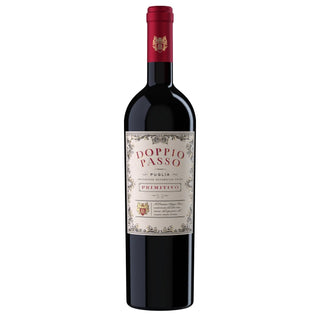
One I often pour is Doppio Passo Primitivo from Puglia. With its generous fruit and soft tannins (the drying grip), it is delicious the day you open it, a wine you can enjoy without laying it down. It is affordable, so there is no need to fuss over storage: keep it somewhere cool and open it within a few months. Everyday wines like this are the perfect way to get comfortable with choosing a spot.
How to choose, and when to drink
Storage gets much easier once you separate wines to drink now from wines you can keep a little. Affordable whites, roses, and light reds are best enjoyed soon after buying (within a few months). Reds with firm tannin and body, and finer wines, can sometimes be kept for years in a good spot. When in doubt, ask the shop where you bought it when it is best to drink. You might also enjoy our guide to wine serving temperatures.
Frequently asked questions (FAQ)
Q. Is it fine to store wine in the fridge all the time?
A. For the short term (a few weeks) it is fine, but a household fridge dries the cork and vibrates, so it is not suited to long storage. For more than a few months, a cool, dark spot at room temperature is safer.
Q. On its side or standing up, which is correct?
A. Cork-sealed wine should be stored on its side to keep the cork moist and prevent drying. Screwcap wine is fine standing up.
Q. In midsummer I only have a room with no air conditioning. What should I do?
A. Plan to drink it soon and use the vegetable drawer as a short-term refuge. Keep your stock small and buy only what you will drink; in a Japanese summer that is the surest approach.
Q. What is the most common mistake?
A. By far the most common is putting the bottle somewhere warm and vibrating, like a kitchen shelf or on top of the fridge. Simply prioritizing coolness and stability transforms the wine.
Q. How long does an opened bottle last?
A. Resealed and in the fridge, 3 to 5 days for both reds and whites is a good guide; 2 to 3 days for sparkling with a proper stopper. If it fades after a while, use it in cooking or a sangria.
Do not overthink it: dark, cool, and undisturbed. Remember just those three and you can enjoy wine beautifully, even without a cellar.


Comments (0)
There are no comments for this article. Be the first one to leave a message!