

Chilled red wine means taking a light to medium red with restrained tannins and plenty of fruit, and serving it lightly chilled at around 12 to 14C rather than 7 to 8C. Red is often assumed to be a room-temperature drink, but on a day when the heat lingers, a lightly chilled glass can be far more delicious than a lukewarm red. This guide covers how to choose a red that works chilled, and the serving temperature that will not let you down.
A common misconception: what room temperature really means
People often say red wine should be served at room temperature, but that room temperature originally meant the cool European room, that is, around 16 to 18C. Even in an air-conditioned room, a Japanese summer often exceeds 25C, and at that temperature the alcohol feels strong and the aromas turn flabby. So taking room temperature literally is, if anything, nonsense in a Japanese summer. Chilling a light red slightly is actually a way of getting closer to how it is drunk at the source.
What makes a red suitable for chilling
| Aspect | What to look for |
|---|---|
| Body | Light to medium (heavy full-bodied reds do not work) |
| Tannin | Restrained (chilling makes tannins feel firmer) |
| Fruit | Generous and fresh |
| Acidity | Firm acidity keeps it from going flat when chilled |
| ABV | Around 11 to 13% is easiest to handle |
| Serving temp | 12 to 14C (a little higher than white) |
The key is tannin and body. Lowering the temperature makes tannins feel firmer, so instead of a wine that is already grippy, choose a light red with fruit and acidity and you will not go wrong.
How style changes by region
| Type | Region | The appeal when chilled |
|---|---|---|
| Young Sangiovese (Morellino, etc.) | Tuscany (Maremma) | Cherry and violet aromas turn sharp and lifted |
| Light Primitivo | Puglia | Fruit comes forward, easy with food |
| Lambrusco (lightly sparkling red) | Emilia-Romagna | Bubbles and cold make it wonderfully gulpable |
In Italy, drinking a light red chilled in summer is quite ordinary. In particular, the Maremma area of southern Tuscany is a warm, coastal land where people lightly chill young Sangiovese or Ciliegiolo (a local variety with cherry-like aromas) and drink it with outdoor lunches and grilled food, a custom they call rosso fresco (cold red). Italy's high-acid reds do not fall apart with a slight chill. In Japan people are surprised at the idea of chilling a red, but at the source it is a summer staple.
Enjoying it in Japan, at the late-summer table
Tokyo's lingering late-summer heat is a tough season for wine. Opening a heavy red at room temperature lets the alcohol stand out too much, so what I often recommend is chilling a light red in the fridge for just 20 to 30 minutes before drinking. Aim for a serving temperature of 12 to 14C, and as you pour and sip, the temperature rises little by little and the aromas open up, a change that is a pleasure in itself. For food, it pairs especially well with cold or light dishes and lean meats: cold shabu, tuna sashimi, tare-glazed yakitori, chilled roast beef. Chilled red has tighter fruit and makes for a refreshing, clean glass.
Federico's pick
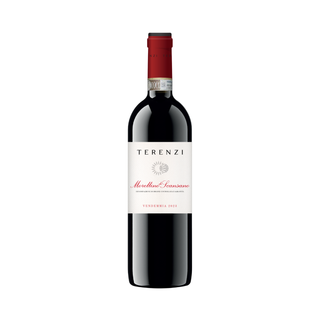
As a bottle to enjoy lightly chilled in the late-summer heat, the one I often pour is Morellino di Scansano. It is a red based on Sangiovese from Tuscany's Maremma, with cherry and violet aromas, pleasant acidity and restrained tannins. It is exactly the kind of red that suits a light chill to 12 to 14C, perfect for late summer.
Choosing and chilling tips
If you are new to this, a light red labelled Sangiovese, Primitivo or Lambrusco is a good guide. Over-chilling backfires: a night in the fridge makes the tannins firm and closes down the aromas. Into the fridge 20 to 30 minutes before drinking is just right. For serving temperature and glassware tips see our wine serving temperature guide, and to learn more about Sangiovese, the Morellino di Scansano guide.
Frequently asked questions
Q. Can any red be chilled?
A. No. Heavy, full-bodied reds turn firm and tannic when chilled. Choose a light red with restrained tannins and plenty of fruit.
Q. What temperature is the guide?
A. 12 to 14C. A little higher than the ideal for white (8 to 10C). About 20 to 30 minutes in the fridge.
Q. Does chilling ruin the flavour?
A. For a light red with acidity and fruit, it actually becomes cleaner and easier to drink. The trick is not to over-chill.
Q. What is a common mistake?
A. Chilling a heavy red ice-cold. The tannins turn firm and the aromas close down. Chill a light red lightly, that is the answer.
Do not overthink it: start with a light red for 20 minutes. Your late-summer glass will feel that much easier.


Comments (0)
There are no comments for this article. Be the first one to leave a message!