

Morellino di Scansano is a red wine made from Sangiovese in the Maremma area of Tuscany, Italy. "Morellino" is simply the local name for Sangiovese here. It is the same grape as in Chianti and Brunello, but in warm, coastal Maremma it turns softer and fruitier, an easygoing style. The best vineyards are recognised as DOCG, the top tier of the Italian wine classification.
Pouring Italian wine in Tokyo, I often hear "Sangiovese sounds tannic and difficult." Morellino gently proves that impression wrong.
Where the name comes from, and a common misconception
First, the common misconception: there is no separate grape called "Morellino." Inside the bottle it is Sangiovese. It is the affectionate local name used around the town of Scansano.
The origin of the name is debated and not settled. Some say it comes from "morello" (meaning "dark one"), for the deep colour of the grapes; others link it to the bay "Morelli" horses that worked the Maremma. Whichever is true, it is a name rooted in the land and its everyday life.
Tasting profile
Bright cherry and violet aromas meet the lively acidity typical of Sangiovese. The tannins (the drying grip) are soft and rounded, and it slips down easily. It is medium-bodied rather than heavy, which makes it easy to pair with Japanese food.
| Item | Character |
|---|---|
| Body | Medium |
| Acidity | Lively, on the higher side |
| Tannins | Soft |
| Aromas | Cherry, violet, herbs |
| Serving temp. | 16 to 18°C |
How style changes by region
The same Sangiovese shows a different face depending on where it grows. Maremma is warm and close to the sea, so the grapes ripen fully and the wine is round, fruity and approachable. Inland Chianti is firmer in acid and tannin, while Montalcino, home of Brunello, gives powerful wines built for long ageing.
| Region | Style tendency |
|---|---|
| Maremma (Morellino) | Soft and fruity, enjoyable young |
| Chianti | Firm acid and tannin, a food wine |
| Montalcino (Brunello) | Powerful, built for long ageing |
Maremma is still home to real cowboys, the "butteri." Riding out to herd cattle, what they ate in the fields was "acquacotta" (literally "cooked water"), a humble soup of stale bread, vegetables, olive oil and a poached egg, born quite literally from nothing. It is almost unknown in Japan, but it is still loved at Maremma tables. Pour a glass of young Morellino alongside it: an unpretentious pairing from an unpretentious land.
How to enjoy it in Japan, and what to pair
Morellino is a very useful red at the Japanese table. Tomato-sauce pasta and pizza, of course, but also sukiyaki, nikujaga, and sweet-savoury teriyaki-style dishes. The acidity of Sangiovese tidies up the richness of soy and miso. Try it with chicken teriyaki, braised pork belly, or a hamburg steak: pair it with everyday home cooking.
This is the bottle to offer anyone who says "red wine is too heavy for me." Chill it slightly, to around 16°C, and the fruit and acidity feel even more comfortable. In summer, even without a wine cellar, just 15 minutes in the fridge before serving makes a real difference. Drink it lightly chilled and easygoing, the way people in Maremma enjoy it in the heat.
Federico's pick
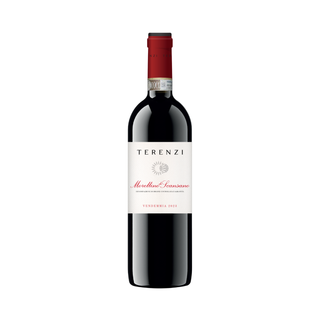
If you want to try Morellino, the one I most often pour is Morellino di Scansano from the Maremma producer Terenzi. Made with sustainable farming, it has cherry-like fruit and a soft, easy feel: a bottle you will want to open any day of the week. You can order it from the card below.
To explore more about Sangiovese and Italy's regions, take a look at our wine region guide.
Choosing it, and similar wines
For a first bottle, a younger, recent vintage shows the liveliest fruit and is a great place to start. Chill it a touch and enjoy it with food. If you prefer the same Sangiovese in a firmer style, reach for Chianti. And when you feel ready for something more powerful, Piedmont's Barolo is a wonderful next step. Tasting them side by side reveals the depth of Italian wine.
Frequently asked questions
Q. What grape is Morellino di Scansano?
A. It is Sangiovese. "Morellino" is the local name for it in the Maremma area of Tuscany.
Q. How is it different from Chianti?
A. It is the same Sangiovese, but warm, coastal Maremma gives a softer, fruitier wine that is enjoyable younger.
Q. What does DOCG mean?
A. It is the top tier of the Italian wine classification, a mark of reliable quality meeting strict rules on origin and production.
Q. A common mistake?
A. Serving it too warm. At room temperature, especially in summer, it can feel heavy. A slight chill brings out its true fruit and acidity.
Not too tannic, not too heavy: the perfect doorway into Sangiovese. I hope you will bring a little Maremma sunshine to your table in Tokyo.


Comments (0)
There are no comments for this article. Be the first one to leave a message!