

If I had to name one Italian wine to recommend, I always start with a red you can open without ceremony and finish alongside a meal. Importing Italian wine and pouring it for guests across Tokyo every day, I find that a bottle that fits a weeknight table pleases people far more than a prestigious label. On this page I share only the in-stock wines I would reach for as your first bottle.
A common myth: is Italian wine "harsh and difficult," or "better when it costs more"?
Italian wine is often imagined as tannic and heavy, or judged by price. The truth is the opposite: in Italy wine is part of everyday eating, a natural presence on the table. The genuinely good ones are made to be enjoyed with food, no ceremony required. Choosing by which dish you will drink it with, rather than by price, leads to far happier discoveries.
Taste at a glance
| Item | Tendency |
|---|---|
| Body | The south is rich and fruit-forward, the north tighter and finer |
| Acidity | Medium to high (flatters food) |
| Tannin | Reds range from soft to serious |
| Aroma | Red fruit, dried herbs, earth and spice |
| Serving temp | Reds 16 to 18C, whites 8 to 10C |
How style changes by region
Italy is long from north to south, and each region has a distinct character. Four areas are enough to start choosing with confidence.
| Region | Main grapes | Style |
|---|---|---|
| Puglia (south) | Primitivo, Negroamaro | Sun-soaked, deeply fruity and easy-drinking reds |
| Tuscany (centre) | Sangiovese | Acidity and a gentle bitterness, reds that shine with food |
| Sicily (island) | Nero d'Avola, Inzolia | Cheerful reds, savoury and fresh whites |
| Piedmont (north-west) | Nebbiolo, Barbera | Aromatic, serious wines with a long finish |
Look into everyday life in southern Puglia and you see the true face of the wine. A classic dish of the Salento is "fave e cicoria": dried fava beans slowly cooked into a smooth puree, served with bitter wild chicory foraged from the fields. The gentle sweetness of the beans and the bitterness of the greens, lifted by the deep fruit of Primitivo, is an everyday pairing on the Puglian table. Move to Tuscany and in November, when the new olive oil (olio nuovo) is pressed, families make "fettunta" (literally "the oiled slice"): they grill the local unsalted Tuscan bread and pour the fresh, grassy oil generously over it. The bread is unsalted, a legacy of a medieval salt tax, which lets the oil itself take centre stage. Sangiovese, with its clean acidity, is a natural match for this simple plate.
How to enjoy it in Japan, and what to pair
Italian wine goes beautifully with the Japanese table too. Rich southern reds like Primitivo love sweet-savoury flavours: yakitori tare, braised pork kakuni, teriyaki, miso glazes. The deep fruit carries the sweet-savoury richness. Tuscan Sangiovese (such as Morellino) shines with tomato pasta, Napolitan, hamburg steak and dashi-driven dishes. A Sicilian white like Inzolia is perfect with tempura, sashimi and white fish eaten simply with salt. One tip: in summer, chill even reds in the fridge for 20 to 30 minutes and serve at 15 to 16C. Even without a wine cellar, they become much easier to drink.
Federico's picks
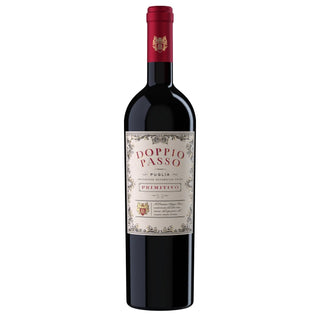
If you choose just one, the bottle I recommend most often is this Doppio Passo Primitivo. It is a southern Puglian red that Swirl imports into Japan for the first time and exclusively, with the deep fruit of ripe berries and a hint of sweetness, approachable even if you do not drink much wine. The price is friendly too, just right for a weeknight dinner.
When you want acidity that sits beside a meal, reach for Tuscany's Morellino di Scansano (Sangiovese). It shines with tomato and meat dishes. To begin lightly with a white, I recommend Sicily's Inzolia, which pairs comfortably with savoury food and seafood.
How to choose and serving temperature
To start light and easy, go south (Puglia, Sicily); for acidity that complements a meal, Tuscany; to try something aromatic and serious, Piedmont. As a rule of thumb, serve reds at 16 to 18C (a little cooler in summer) and whites at 8 to 10C.
Frequently asked questions
Q. What is a good first Italian wine?
A. A Primitivo: deeply fruity and easy to drink, and a great match for sweet-savoury Japanese food.
Q. Is a more expensive wine always better?
A. Not necessarily. Choosing by how well it pairs with your food, rather than by price, brings more satisfaction.
Q. Are there sweet Italian wines?
A. There are sweet styles such as Moscato, but for drinking with a meal the dry wines featured here are the most useful.
Q. What is a common mistake?
A. Serving too cold or too warm. In summer, chilling even reds slightly pulls the aroma and flavour together.
Once a bottle catches your eye, just open one and see. Your usual table will become a little more enjoyable.


Comments (0)
There are no comments for this article. Be the first one to leave a message!