

Ripasso is a winemaking technique in which already-fermented Valpolicella wine is re-fermented on the leftover grape skins (pomace) from Amarone or Recioto production. This "double fermentation" yields a red wine richer and more concentrated than basic Valpolicella, yet not as heavy as Amarone. In Verona, people have long said: "Valpolicella is for every day, Amarone for special occasions, and Ripasso for the weekend." That saying captures Ripasso's place perfectly.
Common Misconception: Is Ripasso Just a Cheaper Amarone?
"Ripasso equals budget Amarone" is a widespread misunderstanding, but the two start from entirely different points. Amarone begins with grapes dried for roughly four months, concentrating sugar and extract to the maximum before fermentation as a standalone wine. Ripasso takes already-fermented Valpolicella and passes it again ("ripassare") over Amarone's spent skins, extracting additional tannin, sugar, and dried-fruit nuances. Because the starting points are fundamentally different, the flavors and character are distinct wines.
Flavor Profile
Aromas of dark cherry, plum, dried fig, chocolate, and spice. The tannins are firm yet silky smooth, with lingering notes of vanilla and coffee on the finish.
| Attribute | Character |
|---|---|
| Body | Medium to full |
| Acidity | Medium |
| Tannins | Medium to firm, smooth |
| Aromas | Dark cherry, plum, dried fruit, chocolate |
| Serving temp. | 16-18 °C (61-64 °F) |
Learn more about how "body" and weight work in wine in our Guide to Wine Body.
Regional Styles
| Zone | Characteristics |
|---|---|
| Classico (hillside) | Large day-night temperature swings; lively acidity and aromatic complexity |
| Valpantena | Intermediate style, well-balanced |
| Eastern Valpolicella | Warmer plains; generous volume and blueberry-toned fruit |
Maceration on the pomace typically lasts 15 to 20 days. This secondary fermentation raises the alcohol by 1-2 percentage points and increases glycerol, giving the wine a rounder mouthfeel. Aging runs 12 to 24 months, usually in large Slavonian oak casks or barriques (225 L).
What Is Appassimento (Dried-Grape Winemaking)?
At the heart of Ripasso lies "appassimento," an Italian tradition of drying grapes in well-ventilated rooms (fruttaio) for several months, evaporating moisture to concentrate sugars and flavor. Beyond Veneto's Amarone, Recioto, and Ripasso, the technique is also widely used for Primitivo wines in Puglia. See our Complete Guide to Appassimento for an in-depth look.
Enjoying Ripasso in Japan
Living in Verona, I can confirm that Ripasso truly is the "weekend table wine." It is opened casually at home with hearty stews, not reserved for restaurants. You can recreate that same feeling in Japan.
Ripasso pairs beautifully with beef braised in red wine, wagyu roast, nikujaga (soy-based), duck teriyaki, and Bolognese. The tannins cut through fat, while the dried-fruit sweetness harmonizes with soy-based umami. Serve at 16-18 °C: room temperature in winter, and pulled from the fridge 30 minutes before serving in summer.
Federico's Pick
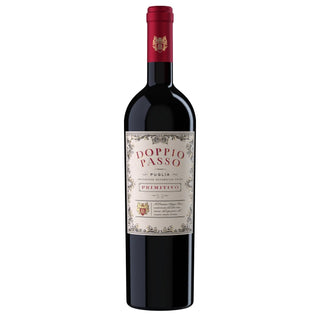
Authentic Ripasso is hard to source consistently in Japan, but SWIRL offers a wine that captures the same appassimento-style richness and depth. This Primitivo from Puglia is literally "double-passed" (Doppio Passo), and I confidently recommend it even to dedicated Ripasso fans. Read more about it in The Doppio Passo Story.

How to Choose, When to Drink, and Similar Wines
Look for "Valpolicella Ripasso DOC" on the label. "Superiore" indicates a longer-aged premium tier. Drinking window is 3 to 8 years after release. Decant for 30 minutes after opening to let the aromas unfold. Similar styles include Amarone (heavier), Primitivo-based appassimento wines, and concentrated reds from southern Italy. Related guides: Valpolicella Guide and Amarone Guide.
FAQ
Q. How long can Ripasso be stored?
A. Typically 5 to 10 years. Superiore bottlings can age 10 to 15 years.
Q. Why the price difference between Ripasso and Amarone?
A. Amarone requires smaller production volumes and longer aging. Ripasso, from the same Veneto region, often costs less than half.
Q. What is the most common mistake?
A. Serving it too cold. The tannins feel harsh and the aromas close up. Always bring it to at least 16 °C before opening.
Q. Can I buy Ripasso in Japan?
A. Yes, at specialty import shops and department store wine corners. Look for "Ripasso" or "Valpolicella Ripasso DOC" on the label.
Q. What cheeses pair well with Ripasso?
A. Classic choices include Monte Veronese DOP and 36-month Parmigiano Reggiano. Blue cheese pairings are also popular.
Ripasso, "the weekend wine" of Verona. Try it with stews and pasta for a taste of the Veneto at home.


Comments (0)
There are no comments for this article. Be the first one to leave a message!