

"Body" in wine refers to the sensation of weight and fullness you feel when you take a sip. Think of the difference between light milk and heavy cream: the "weight" you feel in your mouth the moment you drink is exactly the difference between light-bodied and full-bodied wine. It's a separate concept from dry or sweet, and one of the most important criteria for choosing wine.
Comparing the Three Body Levels
| Body | Mouthfeel | Typical ABV | Representative Varieties & Regions |
|---|---|---|---|
| Light-bodied | Light, easy to drink | 11–12.5% | Pinot Noir (Burgundy), Gamay (Beaujolais) |
| Medium-bodied | Moderate weight with fruit | 12.5–14% | Sangiovese (Tuscany), Merlot (Bordeaux) |
| Full-bodied | Rich weight and depth | 14%+ | Primitivo (Puglia), Syrah (Rhône) |
The Three Factors That Determine Body
1. Alcohol Content
Alcohol is the single biggest factor affecting body. Sugar stored in the grapes converts to alcohol during fermentation, adding viscosity and weight to the liquid. In southern Italy, intense sunshine raises grape sugar levels, naturally producing higher alcohol and fuller body.
2. Tannin
Tannin in red wine adds thickness and structure to the body. Wines with high tannin have a strong presence on the palate and tend to feel full-bodied. By contrast, low-tannin varieties like Pinot Noir can feel lighter even at higher alcohol levels.
3. Fruit Concentration
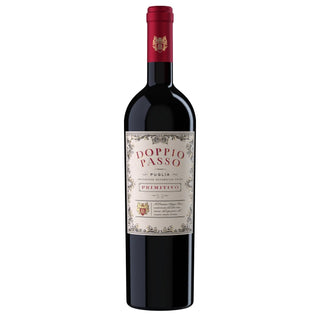
The concentration of ripe fruit flavors directly contributes to a wine's sense of density. Wines made from grapes whose sugar was intensified by late harvesting or drying become full-bodied with high alcohol and rich concentration. Doppio Passo is made using this "double harvest" technique.

Puglia (Southern Italy) / Primitivo / Dry, Full-bodied
¥2,200 (tax incl.)
Buy Now
How Does Region Affect Body?
The same grape variety can produce very different body depending on where it's grown. Climate and soil influence sugar levels, alcohol content and tannin.
| Climate | Tendency | Example |
|---|---|---|
| Cool (Burgundy, Mosel, etc.) | Higher acidity, moderate alcohol, light to medium | Burgundy Pinot Noir (12–13%) |
| Warm (Tuscany, Langhe, etc.) | Balanced, medium to full | Chianti Sangiovese (13–14%) |
| Hot (Puglia, Barossa, etc.) | Higher sugar, higher alcohol, full-bodied | Puglia Primitivo (14–15%) |
When Puglia's Wine Rescued France
Puglia, synonymous with full-bodied wine, has a fascinating history little known in Japan. In the late 19th century, phylloxera devastated France's vineyards, leaving many regions struggling with severe crop failures. Demand surged for wines from southern Italy, especially Puglia.
With alcohol levels of 14–16%, deep color and rich weight, Puglia's wines were prized as "vino da taglio" (blending wine), used to bolster the body and color of weakened French wines. It's said that much of the wine served at French tables in that era contained Puglian grapes. Puglia was, in effect, "France's cellar," propping up the industry from the south. The rich body of today's Puglian wines is the product of generations of hot sun and red earth.
Food Pairing by Body
| Body | Best Pairings | Why |
|---|---|---|
| Light-bodied | Salads, white fish, cold pasta | Won't overpower delicate dishes |
| Medium-bodied | Tomato-sauce pasta, chicken, Japanese cuisine | Versatile enough to match a wide range |
| Full-bodied | Steak, lamb, aged cheese, rich stews | Needs depth to stand up to intense umami |
How to Discover Your Body Preference
Start by tasting both ends of the spectrum: a light-bodied wine and a full-bodied wine side by side. Once you know the range you enjoy, you'll intuitively find which band of wines suits you best.
When I, Federico, first entered the world of wine, my first taste of Primitivo from Puglia was unforgettable. Dense fruit that seemed to capture the sun itself, with tannins that were soft yet powerful. In a single sip, I understood what "full-bodied" truly means. I hope everyone enjoying wine in Japan can experience that same moment of discovery.
Puglia (Southern Italy) / Primitivo / Dry, Full-bodied
¥2,200 (tax incl.)
Buy Now
To learn more about how body differs by grape variety, explore our variety guides: Primitivo, Sangiovese, Merlot, Syrah, Nebbiolo.
Frequently Asked Questions
Q. Does full-bodied mean dry?
A. No. Body refers to the sensation of weight; dry or sweet refers to residual sugar. A wine can be full-bodied and dry, or light-bodied and sweet.
Q. Do white wines have body too?
A. Yes. Oak-aged Chardonnay is often described as full-bodied, while Sauvignon Blanc is typically light-bodied.
Q. Is a heavier body "better"?
A. Not at all. What matters is whether the wine suits your food and personal taste. A delicate Pinot Noir and a rich Primitivo are each perfect for their own occasion.
Q. Does body feel different in red vs. white wine?
A. Yes. Red wine body often carries a tannic presence, while white wine body tends to feel more creamy in texture.
Q. Why does the same variety have different body in different regions?
A. Climate and winemaking are the main reasons. In hot regions, grapes develop more sugar, producing higher alcohol, so the same variety tends toward full-bodied. In cool climates, the opposite happens, leaning lighter.
Q. Any tips for matching food to body?
A. The basic rule is to match the weight of the dish to the wine's body. Light salads go with light-bodied wines; hearty steak calls for full-bodied. When in doubt, medium-bodied is the most versatile choice.


Comments (0)
There are no comments for this article. Be the first one to leave a message!