

When Phoenician ships dropped anchor in a Sicilian harbor around the 9th century BC, they carried more than trade goods. They brought Vitis vinifera, the grapevine that would one day be cultivated across the entire world. The Greeks who followed built their colony network known as Magna Graecia across southern Italy and Sicily, calling the land "Oenotria" — the Land of Wine. Thousands of years later, the Mediterranean coast remains one of the world's greatest wine regions.
What exactly is Mediterranean wine, which regions produce which styles, and how can you enjoy the best of these wines in Japan? I'm Federico, a sommelier who has spent years studying Mediterranean wine regions, and I'm here to guide you through it all.
What Is Mediterranean Wine?
"Mediterranean wine" is a collective term for wines produced in regions enjoying a Mediterranean climate: warm, dry summers and mild, moderately rainy winters. This zone extends from southern Italy (Campania, Calabria, Puglia), Sicily, and Sardinia, through Spain's eastern and southern coasts, mainland Greece, Croatia's Dalmatian coast, southern France (Provence and Languedoc), Portugal, and even North Africa's Morocco and Tunisia.
Three factors make this climate ideal for viticulture: generous summer sunshine to fully ripen the grapes, dry conditions that suppress disease, and diurnal temperature swings that preserve aromatic complexity and fresh acidity.
What makes southern Italy and the Mediterranean islands especially compelling is the extraordinary diversity of indigenous grape varieties. Italy as a country claims around 350 native varieties, but concentrate on the south and islands and you'll find Nero d'Avola (Sicily), Primitivo (Puglia), and Cannonau (Sardinia) — grapes grown nowhere else on earth with quite the same character.
Key Region Guide
| Region | Key White Grapes | Key Red Grapes | Style Profile |
|---|---|---|---|
| Sicily (Italy) | Inzolia, Grillo, Catarratto | Nero d'Avola, Nerello Mascalese | Volcanic soils and sea breezes; treasury of ancient varieties; rich fruit with strong minerality |
| Sardinia (Italy) | Vermentino, Vernaccia | Cannonau, Carignano | Complex variety mix shaped by Phoenician and Spanish influence; many long-lived wines |
| Puglia (Italy) | Fiano Minutolo | Primitivo, Negroamaro | Italy's "wine cellar" by volume; quality rising sharply in recent years |
| Calabria (Italy) | Greco Bianco | Gaglioppo | Heart of Magna Graecia; strong echoes of ancient Greek winemaking tradition |
| Spain (Valencia region) | Macabeo, Airén | Monastrell (Mourvèdre) | Drought-resistant varieties; rich, full-bodied style |
| Greece (Santorini etc.) | Assyrtiko | Agiorgitiko | Ancient vines (100+ years) on volcanic islands; distinctive minerality and high acidity |
Two Reasons Mediterranean Wine Is Gaining Attention in Japan
1. Natural affinity with Japanese cuisine
Mediterranean cuisine and Japanese cuisine are sister food cultures, both built on seafood, vegetables, and plant-based fats. Sicilian whites like Inzolia and Grillo pair with sashimi, tempura, and grilled fish in ways that feel almost inevitable. Puglia's Primitivo sits comfortably alongside kakuni (braised pork belly), yakitori, and sukiyaki. Different geography, similar culinary philosophy — the pairings come naturally.
2. A leader in organic and biodynamic viticulture
Sicily is one of Europe's most important regions for certified organic agriculture, with a long-established culture of farming without synthetic pesticides. For Japanese consumers mindful of pesticide residue, Sicilian organic wine is a reliable option. All Sicilian wines imported directly by Swirl carry full EU organic certification.
Swirl Recommends: Sicilian Organic White Wine
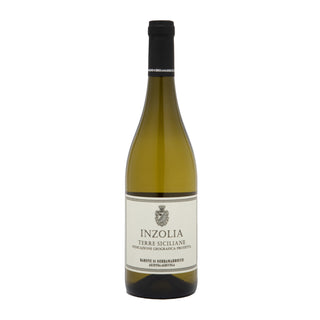
For your Mediterranean wine introduction, the bottle I most want you to open is Barone di Serramarrocco's Inzolia Bio from the western coast of Sicily. One hundred percent Inzolia grown under EU-certified organic viticulture, harvested from vines over 25 years old, this wine delivers aromas of white flowers, grapefruit, and fresh almond with a lingering finish of sea-salt minerality. A perfect match for sashimi, tempura, grilled white fish, prosciutto, or mozzarella. A wine that seems to hold the light of the Mediterranean in the glass.
How to Choose Mediterranean Wine
For white wine:
Start with Sicilian Inzolia, Grillo, or Catarratto, or Sardinian Vermentino. Each brings sea-breeze nuance and bright fruit, making them easy matches for Japanese fish dishes and starters.
For red wine:
Puglia's Primitivo offers the best balance of fruit richness and value. Sicily's Nero d'Avola expresses strong terroir character and is superb with meat dishes. For the adventurous, a Sardinian Cannonau aged style is not to be missed.
Looking for organic or biodynamic wine:
Sicily offers the widest selection. Look for the EU Organic Certification (green leaf logo) or Demeter biodynamic certification.
Price guide (tax-included, Japan):
Daily drinkers sit at ¥2,500–5,000. In the ¥5,000–10,000 terroir-specific tier, the complexity from the same variety can be genuinely surprising.
Frequently Asked Questions
Q: What is the difference between Mediterranean wine and French wine?
A: The biggest difference is varietal diversity. French wines center on international varieties like Cabernet Sauvignon and Chardonnay. Italy's Mediterranean coast is overwhelmingly indigenous, with each region expressing distinctly through terroir. Prices are generally more accessible than top Burgundy or Bordeaux.
Q: Should I choose Sicilian or Sardinian wine?
A: If you want something light and everyday, go Sicilian. For complexity and aging potential, choose Sardinia. For whites, Sicily's Inzolia and Grillo lead; for reds, Sardinia's Cannonau is the flagship.
Q: Should Mediterranean wine be served at room temperature?
A: Whites should be chilled to 8–12°C. For reds, Japan's summer room temperature is too warm — aim for 15–18°C. Taking the bottle out of the refrigerator 30 minutes before serving is the easiest approach.
Q: Where can I buy Mediterranean wine in Japan?
A: Wine specialty shops in Tokyo and Osaka carry a growing selection, as do importer-direct online shops. Swirl imports Sicilian organic wine and other region-focused bottles directly from producers — click the button above to explore our current selection.


Comments (0)
There are no comments for this article. Be the first one to leave a message!