

Wine aging is the process by which slow chemical changes inside the bottle transform tannins, acidity, and fruit flavors into a complex, harmonious whole. A wine that takes years to develop rewards patience with depth that younger bottles simply can't offer.
Common Misconception: Does All Wine Improve With Age?
"Older is better" is one of wine's most persistent myths. In reality, about 90% of wines on the market are made to be enjoyed within one to three years of release. Holding a light, fresh white or a fruit-forward young red for years won't deepen it — it will simply fade.
The wines that do benefit from aging share specific traits: tannic reds, high-acid whites, and sweet wines with high residual sugar. Most rosés, sparkling wines (with some prestigious Champagne exceptions), and light whites are best enjoyed young.
Flavor Profile: What Aged Wine Tastes Like
As a wine ages, its primary fruit aromas give way to tertiary complexity.
| Element | How It Changes |
|---|---|
| Body | Tannins soften; depth replaces weight |
| Acidity | Becomes rounder but maintains structure |
| Tannins | Youthful roughness turns silky |
| Aromas | Fruit transitions to leather, tobacco, earth, dried fruit, spice |
| Serving temp | Aged reds 14–18°C; aged whites 10–14°C |
Why Wine Ages: The Science and Regional Differences
| Style | Key Regions | Aging Mechanism |
|---|---|---|
| Tannic reds | Tuscany, Bordeaux, Barolo | Tannins polymerize, becoming softer over time |
| High-acid whites | Chablis, Riesling | Acidity acts as a preservative; honeyed complexity develops |
| Sweet wines | Sauternes, Tokaji | Sugar and acidity enable very long aging |
| Oxidative styles | Port, Sherry | Deliberate oxygen exposure builds nutty complexity |
The key mechanism is micro-oxygenation: tiny amounts of oxygen enter through the cork, reacting with tannins and pigments to form larger polymer chains. This is what softens the astringency. Meanwhile, ester formation creates new aromatic compounds — spice, leather, tobacco — that were never present in the young wine.
Ancient Romans Already Knew: 2,000 Years of Wine Aging
Wine aging culture goes back over two millennia. The most celebrated wine of ancient Rome, Falernian, was aged 15–20 years in clay amphorae until it turned amber. According to Pliny the Elder, the Opimian vintage of 121 BC was so extraordinary that it was still being served some 60 years later at a banquet honoring Julius Caesar. Almost entirely unknown in Japan, this ancient culture of debating vintages stamped on amphorae would feel very familiar to any modern collector.
Aging Wine at Home in Japan
Japan's hot, humid summers are among the most challenging climates for wine storage. Temperatures above 30°C accelerate aging dramatically. Ideal conditions: 13–15°C, 70–80% humidity, no direct light.
Without a proper cellar, store bottles on their side in the coolest, darkest spot you have — lying flat keeps the cork moist and prevents oxidation. A refrigerator works for two to three days but its vibration makes it unsuitable for longer storage. Compact wine coolers (from around ¥10,000–20,000) easily handle five to ten bottles at the right temperature. The simplest rule: if you're buying a wine to age, choose one designed for it from the start.
Federico's Recommendation: A Wine Worth Cellaring
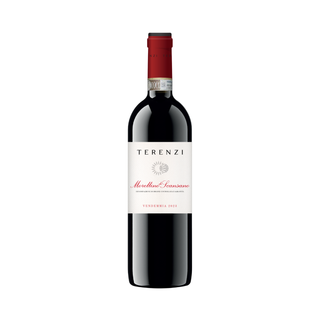
For those starting to explore aging, I recommend beginning with Sangiovese-based reds. The wine I pour most often is Morellino di Scansano from Tuscany's Maremma coast. Its firm tannins and bright acidity make it an ideal introduction to watching a wine evolve over five to eight years. Delicious now, and genuinely interesting after a few years in the cellar.
Choosing Age-Worthy Wines and When to Drink Them
Look for "Riserva" or "Gran Riserva" on Italian labels — these signal a producer's intention to make an age-worthy wine. General guidelines: full-bodied reds age five to fifteen years; top sweet wines ten to thirty or more. For another variety that shares that high-acid, high-tannin aging profile, see our guide to Nebbiolo.
Frequently Asked Questions
Q. How should I store an open bottle of wine?
A. Re-cork it and refrigerate immediately. Once open, oxidation begins — drink within two to three days. A vacuum pump stopper can extend this to about five days.
Q. Why are aged wines so expensive?
A. Storage costs, reduced supply as bottles are consumed over time, and rarity all compound. Wines with ten or more years of age are simply scarce.
Q. Will a rough, tannic red wine improve if I cellar it?
A. Tannins do soften over time — but only if the underlying fruit is good. Without substance to begin with, aging produces an empty, faded wine. Great aging potential starts with great raw material.
Q. Cork vs. screwcap: which is better for aging?
A. Cork has the traditional advantage for long aging, but high-quality screwcaps handle short to medium-term aging well. Recent studies show little difference in practice.
Q. Can Japanese wines age?
A. Yes. Nagano Merlot, Yamagata Syrah, and select Koshu whites can hold beautifully for five to ten years. Premium domestic reds have more aging potential than most people expect.
The joy of aged wine is the patience it demands. Put a bottle in the cellar, mark the date — and look forward to opening it.


Comments (0)
There are no comments for this article. Be the first one to leave a message!