

The main causes of a wine headache are dehydration and blood-vessel dilation from alcohol, compounds found more in red wine (amines such as histamine, plus tannins and polyphenols), and the pace at which you drink or an empty stomach. The usual suspect, the preservative (sulfites), is not actually the main culprit.
The myth that "headaches come from sulfites"
When wine gives them a headache, many people blame sulfites (the preservative, shown on the label as "contains sulfites"). But this is a belief that has spread too far. Sulfites are generally more abundant in white wine, yet headaches are more common with red. Only a small share of people are sulfite-sensitive, and that reaction is mostly respiratory, such as asthma. The science linking sulfites to headaches is weak. This is one of the classic wine myths I talk through with customers in Japan.
The real causes
| Factor | What happens |
|---|---|
| Alcohol | Its diuretic effect causes dehydration and dilates blood vessels. The biggest factor |
| Amines (histamine, tyramine) | More abundant in red and aged wines. Act on blood vessels and nerves |
| Tannins and polyphenols | From the skins. A recent hypothesis points to quercetin (from grape skins) affecting how alcohol is metabolized |
| Empty stomach, fast pace | Absorption spikes, so tipsiness and headache come on faster |
| Sugar (too much sweet wine) | Combined with alcohol, it can add to the load |
Red wine tends to bring on headaches more because it has more amines and polyphenols than white. Recently, research in the United States has proposed that quercetin, a compound abundant in grape skins, may interfere with the breakdown of alcohol and contribute to headaches (the research is still ongoing).
The Italian way: with food, a little at a time
When Italians drink wine, it is mostly with a meal, and slowly. In Piedmont and across the country, trattorie and osterie serve house wine by the measure, in a small carafe of about 250ml called a quartino. Rather than opening a whole bottle, you make a small carafe last a whole meal, drinking it alongside water and food. This habit, never drinking on an empty stomach and always adding food and water, is the single best piece of wisdom for feeling fine the next day.
How to drink without regret (at a Japanese table)
It is not complicated. First, keep a glass of water next to your wine, about the same amount, and alternate between them. Simply easing the dehydration makes the next morning much kinder. Second, do not start on an empty stomach: with washoku, with cheese, with anything, nibble as you go. And drink slowly, in moderate amounts. Rather than stacking glasses quickly like at an izakaya, take a little at a time between the food and the conversation. If red tends to give you a headache, start with a light, young white.
Federico's pick
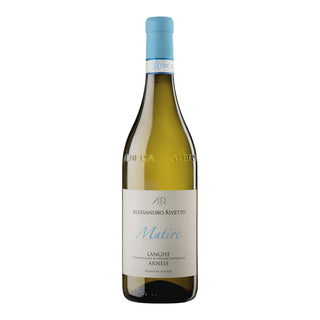
On days when headaches are a worry, I often pour Alessandro Rivetto's Langhe Arneis. A fresh, dry white from Piedmont with almost no tannin, clean acidity and citrus aromatics. Chill it well, add food and water, and take one glass slowly: an easygoing bottle. On days you want something even lighter, a small pour of a low-alcohol sweet frizzante like Moscato d'Asti (around 5 to 6%) is a smart choice too.
To learn a little more about what is in the glass, see our guide to sulfites (the preservative), and if alcohol and calories are on your mind, our guide to wine's alcohol and calories.
Tips for choosing
If you feel prone to headaches, favor a young, light red or a clean white over a tannic, heavy red. Fresher styles carry fewer amines than long-aged wines. Above all, enjoy a well-made wine in moderation, alongside food and water. If the region and the making interest you, see our guide to Langhe Arneis.
Frequently asked questions
Q. Headaches come from sulfites (the preservative), right?
A. In most cases, no. Sulfites are actually more common in white, yet headaches happen more with red, and the evidence for sulfites as the main cause is weak. Dehydration from alcohol, and the amines and polyphenols more abundant in red, are more relevant.
Q. Which is less likely to cause a headache, red or white?
A. White tends to be lighter, with fewer amines and less tannin. If you love red, choose a lighter, younger style and drink it slowly with water and food.
Q. How do I avoid feeling it the next day?
A. Alternate wine with an equal amount of water, do not drink on an empty stomach, and go slowly in moderation. These three things alone change the next morning a lot.
Q. Anything to do before and after?
A. Eat a little before you drink, and have a glass of water afterward. Simple, but effective.
How we get along with alcohol varies from person to person. If a headache is severe or persists, do not push through it: please consult a doctor. Wine is best with food, in a comfortable amount. That is the most delicious way to drink it.

Comments (0)
There are no comments for this article. Be the first one to leave a message!