

Vintage in wine refers to the year printed on a wine label: the year the grapes were harvested. A wine labeled 2023 was made from grapes picked in 2023. Because grapes are an agricultural product, the same vineyard and winemaker can produce wines of vastly different character depending on that year's weather. The vintage year is a record of nature's imprint on the wine.
Common Misconception: Older Vintage Does Not Mean Better Wine
Many people confuse "vintage" with "old wine," but it simply means "harvest year." A 2023 vintage wine is a new wine. A "vintage wine" just means it was made from grapes of a specific year, not necessarily old. "Non-vintage (NV)" wines, common in Champagne and Prosecco, blend multiple years for consistency. "Millesimato" is the Italian term for a vintage sparkling wine, made exclusively from a single year's harvest and released only in exceptional years.
How Vintage Shapes the Wine
Vintage differences show most clearly in tannins, acidity, and alcohol. Hot years produce riper grapes, higher alcohol, and richer fruit. Cool years give higher acidity and an elegant, lean style. In Japan, the long rainy season significantly affects grape maturity, a challenge unfamiliar to the stable Mediterranean climates of southern Italy.
| Element | Good Vintage | Challenging Vintage |
|---|---|---|
| Alcohol | Higher (13.5–15%) | Lower (11–13%) |
| Acidity | Well-balanced | Excessive or insufficient |
| Tannins | Ripe and silky | Green and firm |
| Aging potential | Long (10–20+ years) | Shorter (drink within 5 years) |
How Vintage Matters by Region
| Region | Vintage Importance | Why |
|---|---|---|
| Barolo (Piedmont) | Very high | Large year-to-year variation; great vintages age 20+ years |
| Prosecco (Veneto) | Moderate (NV is the norm) | Millesimato released only in exceptional years |
| Super Tuscan (Bolgheri) | High | Heat and dryness directly affect fruit concentration |
| Sicily | Lower | Stable Mediterranean climate minimizes year-to-year variation |
From a winemaking perspective, in great vintages the grapes have thick skins, making it easy to extract color and tannins even with shorter maceration. Challenging years require longer maceration to compensate. Modern winemaking technology has narrowed the quality gap between good and difficult vintages considerably.
Italy's Birth-Year Wine Tradition: Annata di Nascita
In Italy, when a child is born, it is common for parents to purchase several bottles of that year's Barolo or Brunello and cellar them until the child's coming-of-age celebration at 18 or 21. This is called the "annata di nascita" (birth vintage). By the time the bottles are opened, the wine has transformed — cherry fruit has evolved into complex notes of dried fruit, leather, and tar. The wine cellar becomes a "vault of family time," with the wine aging alongside the child. This tradition is virtually unknown in Japan, but it is entirely achievable for anyone with a temperature-controlled space.
Practical Guide for Japan
Japan's hot, humid summers accelerate wine aging and can spoil improperly stored bottles regardless of vintage quality. After purchase, move bottles immediately to a cool, dark location (ideally 15–18°C). For immediate drinking, choose younger vintages (1–3 years old) for fresh, approachable character. For age-worthy drinking, look for Barolo or Amarone in great vintages (2016 and 2019 are highly regarded across Italy). To begin exploring vintages, Millesimato Prosecco is an ideal entry point: more complex than non-vintage, released only in the best years.
Federico's Recommendation
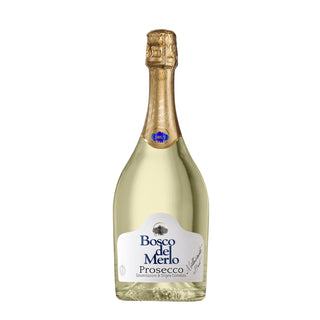
The clearest way to experience vintage character is in a sparkling wine millesimato. We recommend Bosco Vigliona Prosecco Millesimato Brut: made from single-harvest Glera grapes, it shows cleaner acidity and richer aromatics than a standard NV Prosecco. Versatile for a toast or at the table.
How to Choose and What Relates
Vintage charts from Wine Spectator, Decanter, and Gambero Rosso are updated annually. A "great vintage" drunk too early may not yet have developed its complexity. Conversely, "difficult vintages" are often fresher and more approachable young. An interesting parallel: Japan's "hiyaoroshi" sake release shares the concept of celebrating a single harvest year's individual character. Related guides: How to Store Wine, What is Prosecco?.
FAQ
Q. Does an older vintage mean a better wine?
A. Not necessarily. Age-worthy wines like Barolo and Brunello improve over decades. But Prosecco and standard Chianti are best young and fresh.
Q. Is non-vintage (NV) wine lower quality?
A. No. Champagne NV is a showcase of blending skill — the consistent house style across years is the product. It is not inferior to vintage Champagne, just different in intent.
Q. What does millesimato mean?
A. Italian for a vintage sparkling wine made from a single year's harvest. Prosecco and Franciacorta millesimato wines are produced only in exceptional years, aged longer than the standard release.
Q. How can I age wine at home in Japan?
A. A dedicated wine refrigerator is best. Without one, the north side of a hallway or floor storage with minimal temperature fluctuation around 15°C works as an alternative. Avoid light, vibration, and store bottles horizontally.
Q. What are Italy's best recent vintages?
A. 2016 and 2019 are widely praised across Italy. Barolo 2016 is considered a generational vintage. In Tuscany, 2015, 2016, and 2019 all received high marks. Always check region-specific charts, as vintages vary by area.
Once you understand vintage, every wine becomes a record of a specific year in a specific place — nature captured in a bottle. Start reading those label years, and you will find a new layer of meaning in every glass.


Comments (0)
There are no comments for this article. Be the first one to leave a message!