

Wine sugar content refers to the "residual sugar (RS)" left in grape juice after fermentation. Most of the sugar in grapes is consumed during alcoholic fermentation, but a certain amount remains through techniques such as halting fermentation early, using overripe grapes with high sugar levels, or adding a sweetening liqueur before bottling (dosage). This residual sugar level determines the label classifications like "Brut," "Extra Dry," and "Sweet," and is the primary factor affecting the sugar content per glass. In Japan, where health consciousness is on the rise, terms like "low-carb" and "locabo" (a Japanese low-carb approach) have become mainstream, and interest in the sugar content of wine grows stronger each year. In this article, drawing on sommelier experience, we offer a practical guide covering everything from how residual sugar works, to reading wine labels, to choosing wines you can enjoy with confidence even while watching your sugar intake.
Common misconceptions: calories and sugar are two different things
"Dry wine is low in calories" is a misconception I often hear at events in Tokyo. The reality is different. Most of wine's calories come from alcohol (approximately 7 kcal per gram), while the impact of sugar (approximately 4 kcal per gram) is relatively small. A dry red wine at 14% ABV can actually be higher in calories than a sweet Moscato at 8% ABV. What those watching their sugar intake should focus on is "residual sugar (g/L)." For a broader discussion of wine calories and alcohol content, see our Wine Calories and Alcohol Guide.
Another common misconception is that "fruity wine = sweet wine." For example, aromatic varieties like Gewürztraminer and Moscato have intense floral and lychee aromas that give a sweet impression, but when finished dry, residual sugar is only around 3 to 5 g/L. The "sensation" of sweetness and the "number" for residual sugar do not always match. In wines with strong tannins or acidity, sweetness can be masked, and conversely, fruity aromas alone often create the impression of sweetness. Making a habit of checking the label classification is the first step in managing sugar intake.
How residual sugar is determined: the fermentation mechanism
The sugars in grape juice (primarily glucose and fructose) are converted by yeast into alcohol and carbon dioxide. If the yeast consumes all the sugar, the wine is "dry"; if fermentation is stopped partway, it becomes "sweet." Expressed as a chemical formula, C₆H₁₂O₆ (glucose) → 2C₂H₅OH (ethanol) + 2CO₂, a straightforward reaction. The sugar level at harvest (measured in Brix) varies by grape variety and region. In the warm climate of Puglia in southern Italy, Primitivo and Negroamaro tend to develop higher sugar levels due to abundant sunshine, while in the cooler Piedmont region of northern Italy, Moscato is characterized by a distinctive balance of acidity and sugar. There are several approaches to halting fermentation.
| Method | Mechanism | Representative wines |
|---|---|---|
| Chilling | Rapidly lowering temperature to halt yeast activity | Moscato d'Asti, Lambrusco Amabile |
| Fortification | Adding high-alcohol spirits to kill the yeast | Port wine, Marsala |
| Dosage | Adding liqueur (sugar solution) after secondary fermentation | Champagne, Prosecco |
| Natural drying (Appassimento) | Drying grapes after harvest to concentrate sugars; high sugar levels remain even after complete fermentation | Passito, Recioto, Vin Santo |
In the case of dry wines, fermentation proceeds to completion, but residual sugar never reaches zero. Small amounts of sugars that yeast has difficulty metabolizing, such as pentoses and arabinose, remain, and typical dry still wines measure around 1 to 4 g/L of residual sugar. Among winemakers, this is called "physiological residual sugar" and is considered to have virtually no impact on taste.
Sugar content comparison by style
The spectrum below visualizes the EU residual sugar classifications for sparkling wines. The far left, "Brut Nature," is the driest (lowest sugar), and sweetness increases moving to the right.
← Dry (less sugar) Sweet (more sugar) →
| Style / Classification | Approximate RS (g/L) | Sugar per 150 ml glass | Sugar cube equivalent (1 cube ≈ 4 g) |
|---|---|---|---|
| Brut Nature / Zero Dosage | 0 to 3 | 0 to 0.5 g | About 0 |
| Extra Brut | 0 to 6 | 0 to 0.9 g | About 0.2 |
| Brut (dry sparkling) | 0 to 12 | 0 to 1.8 g | About 0.5 |
| Extra Dry | 12 to 17 | 1.8 to 2.6 g | About 0.5 |
| Sec (slightly sweet) | 17 to 32 | 2.6 to 4.8 g | About 1 |
| Demi-Sec | 32 to 50 | 4.8 to 7.5 g | About 1.5 |
| Dry still wine (red/white) | 1 to 4 | 0.2 to 0.6 g | About 0.1 |
| Sweet / dessert wine | 50 to 150+ | 7.5 g or more | 2 or more |
*Based on EU Regulation 2019/33. Actual values vary by producer. Wines sold in Japan may not always carry this labeling, so refer to the importer or back-label information.
How to read wine labels
If you want to minimize sugar in sparkling wine, choosing "Brut" or "Extra Brut" is nearly fail-safe. The one to watch out for is the "Extra Dry" label, which, despite its name, is actually a sweeter classification (12 to 17 g/L) than Brut. In the 19th-century Champagne market, sweet wines dominated, so what was then considered "quite dry" now falls in the "slightly sweet" range by modern Brut standards. Even when you see "Dry" written in Japanese, make a habit of checking the residual sugar level.
For still (non-sparkling) wines, look for labels reading "Dry / Secco." However, since still wines have no mandatory residual sugar disclosure, standards vary by country and region even among wines labeled dry. For example, German Riesling can be labeled "Trocken" (dry) with up to 9 g/L of residual sugar, while Italian "Secco" typically means under 4 g/L.
Knowing varietal tendencies is also helpful. Tannin-rich varieties (Sangiovese, Primitivo, Cabernet types) undergo thorough fermentation, resulting in extremely low residual sugar. Mineral-driven dry whites (Vermentino, Sauvignon Blanc types) are also low in residual sugar. Conversely, varieties like Riesling and Chenin Blanc, which are crafted across a range of sweetness levels, can vary from bone-dry to ultra-sweet under the same grape name, so always check the label classification.
A tasting tip for judging dryness: ask yourself "does sweetness linger after swallowing?" Fruit aromas may create an impression of sweetness, but if there is no lingering sweetness on the finish, the wine is virtually dry with residual sugar near zero. Another indicator is the wine's viscosity (legs). When swirling the glass, if the "tears" that slowly slide down the inside are thick and slow-moving, it tends to indicate higher residual sugar or alcohol content.
How sugar varies by region and style
When I lived in Italy, in the Emilia-Romagna region, "Lambrusco," a sparkling red wine, was an essential part of everyday meals. The semi-secco (semi-sweet, approximately 10 to 30 g/L residual sugar) style was the most popular, casually enjoyed at both lunch and dinner alongside salty, fatty cured meats like Prosciutto di Parma and Mortadella. The way a touch of sweetness and the crispness of the bubbles soften the saltiness of cured meat is an everyday scene in the trattorias of Modena and Reggio Emilia. Some Lambrusco semi-seccos, such as "Lambrusco Grasparossa di Castelvetro DOP," have residual sugar ranges defined by their regional denomination, showing how traditional food culture and sugar balance are institutionalized.
Meanwhile, in the Veneto region of northeastern Italy, Prosecco "Extra Dry" is the most popular local style. While many people in Japan choose "Brut," the softer sweetness of Extra Dry is preferred in Veneto's bars for its compatibility with cicchetti (small-plate snacks). Knowing that the standard for "just the right amount of sweetness" differs by regional food culture can broaden your wine selection.
In Japan, there is a strong image that "sweet wine is only for dessert," but in Europe, there has long been a culture of pairing wines with a hint of sweetness against the saltiness and richness of food. If you are concerned about sugar, start by choosing dry wines, and use regional pairing traditions as a reference to find your comfortable range.
| Wine type | Typical residual sugar | Suitability for low-sugar diets |
|---|---|---|
| Dry red (Sangiovese, Primitivo) | 1 to 4 g/L | ◯ Very low |
| Dry white (Vermentino, Sauvignon Blanc) | 2 to 5 g/L | ◯ Very low |
| Prosecco Brut | 6 to 12 g/L | ○ Low |
| Prosecco Extra Dry | 12 to 17 g/L | △ Moderately high |
| Aromatic dry white (Gewürztraminer) | 3 to 8 g/L | ○ Less sweet than the aroma suggests |
| Moscato d'Asti | 100 to 140 g/L | × High sugar |
| Passito (dried-grape sweet wine) | 80 to 200 g/L | × Best in small dessert portions |
Enjoying wine on a low-sugar diet in Japan
As low-carb and keto diets have gained popularity in Japan, "Can I still drink wine?" is a question I hear often. The answer is simple. One to two glasses (150 to 300 ml) of dry wine contain roughly 0.2 to 1.2 g of sugar. Compared to a bowl of rice (about 55 g), a 350 ml can of beer (about 10 g), or one go of sake (about 6.5 g), that is a dramatically smaller amount. Within Japan's Ministry of Health-recommended locabo framework (20 to 40 g of carbs per meal), two glasses of dry wine fit comfortably.
Here are three practical tips. (1) For sparkling, choose labels that say "Brut" or "Extra Brut." (2) Even if you detect sweetness, it is often the impression created by fruit aromas and acidity rather than actual residual sugar, so judge by the finish after swallowing. (3) An aperitif glass has nearly zero sugar impact, so you can enjoy a Prosecco Brut toast without worry. If drinking multiple glasses during a meal, opt for dry red or white.
If you want to enjoy wine while watching your sugar intake, a little attention to food pairings goes a long way. Pair with low-sugar snacks like nuts, cheese, prosciutto, and olives to keep total sugar intake in check. Below, we introduce some low-sugar pairing combinations in a flight-style format.
| Flight | Wine style | Recommended pairings | Approx. sugar per glass |
|---|---|---|---|
| Aperitif | Prosecco Brut | Prosciutto and arugula salad | About 0.5 to 1 g |
| White wine | Vermentino (dry) | Sashimi, white fish carpaccio | About 0.3 g |
| Red wine | Sangiovese / Primitivo | Wagyu steak, tomato stew | About 0.2 to 0.5 g |
| Dessert (small pour) | Moscato d'Asti (60 ml glass) | Fruit tart, ricotta | About 6 to 8 g |
Federico's picks: wines by sugar spectrum
Here I introduce wines I have personally selected along the sugar spectrum. From "a dry bottle you can drink worry-free" to "a sweet wine to savor in small amounts on a special occasion," choose according to your purpose. These are all wines imported directly from Italian wineries, a lineup I am confident in for quality and value. Each wine includes a sugar-level estimate, so you can choose based on your own dietary guidelines.
◯ Ultra-dry: red wines with virtually zero residual sugar
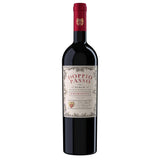
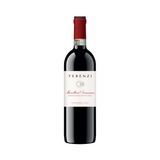
For those who want to minimize sugar intake, fully fermented dry reds are the best choice. Sangiovese and Primitivo are tannin-rich varieties where fermentation completes easily, leaving residual sugar at just 1 to 2 g/L. These are everyday wines you can enjoy glass after glass at dinner without worrying about sugar. You may perceive the concentrated fruit flavors of Primitivo or the cherry-like aroma of Sangiovese as "sweet," but the residual sugar numbers are extremely low.
◯ Dry white wines: fresh, clean, and low in sugar
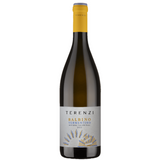
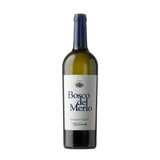
White wines, when dry, have sugar levels nearly equal to reds (2 to 5 g/L). Vermentino and Sauvignon Blanc have firm acidity that masks any trace of residual sugar. They pair beautifully with fish dishes and salads. Vermentino in particular is an essential partner for Mediterranean white fish cuisine.
○ Brut sparkling: bubbles with less sugar
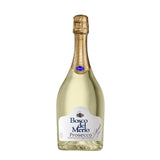
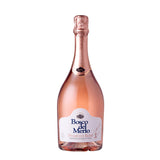
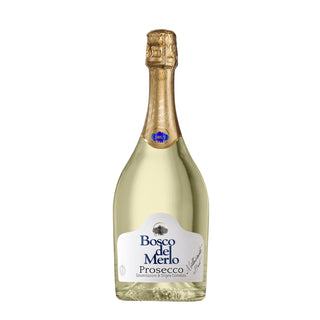
Sparkling wines in the "Brut" classification have residual sugar of 12 g/L or less. They are a versatile choice, working as aperitifs or as food wines with fish and poultry. Prosecco Millesimato is made from a single vintage harvest, offering more depth than standard Prosecco, and performs well from the opening toast through to the main course.
○ Aromatic whites: less sweet than they smell
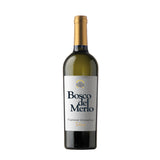
Gewürztraminer-family varieties are often mistakenly thought to be sweet due to their showy floral and lychee aromas, but when finished dry, residual sugar is around 3 to 8 g/L. This is a style for those who want to enjoy the aromatics while keeping sugar low. Traminer Aromatico from Alto Adige (South Tyrol) in Italy benefits from the crisp acidity brought by the alpine cool climate, which tempers any perception of sweetness from the residual sugar.
× Sweet and dessert wines: a special small pour
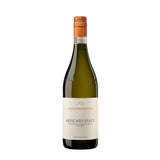
Sweet wines have high residual sugar, so for those watching their intake, "a small glass (about 60 ml) in place of dessert" is the practical approach. Moscato d'Asti has a low ABV of around 5%, while Passito (sweet wine made from dried grapes) delivers concentrated sweetness in small quantities. Sweet wines, despite their higher sugar content, offer high satisfaction even in small amounts. Substituting a glass of sweet wine for cake or chocolate after dinner can sometimes result in less total sugar than a pastry. In Italy, the custom of enjoying Passito or Vin Santo with biscotti after a meal, as a "dolce alternative," is well established, and serves as an excellent model for understanding the right amount of sweet wine to enjoy.
Frequently asked questions
Is the sugar content of dry wine zero?
No. Dry wines typically contain 1 to 4 g/L of residual sugar, which works out to approximately 0.2 to 0.6 g per glass (150 ml). If you want the absolute minimum, look for sparkling wines labeled "Brut Nature" or "Zero Dosage."
Which has less sugar, white wine or red wine?
When both are dry, there is very little difference. Sugar content is determined by the style classification (dry vs. sweet) rather than the color. Dry white and dry red wines are at roughly the same level (1 to 5 g/L).
Is non-alcoholic wine low in sugar?
Generally, it tends to be higher. The dealcoholization process can concentrate sugars, and sweeteners may be added to compensate for the lost body. Some products contain over 10 g of sugar per glass, so always check the nutrition label when purchasing.
Why is "Extra Dry" sweet despite the name?
It dates back to the 19th-century Champagne market. At the time, sweet wines dominated, and "Extra Dry" was relatively dry by those standards. Under modern EU regulations, Extra Dry is defined as 12 to 17 g/L of residual sugar, making it a sweeter classification than Brut (0 to 12 g/L). Because the term "Dry" can be misleading, it is important to carefully check the classification on the label.
I have heard wine makes you gain weight. Is that true?
In most cases, the issue is the snacks consumed alongside the wine rather than the wine itself. Dry wine can stimulate appetite, and when combined with snacks and bread, total sugar intake rises. Choose dry wines and keep accompaniments to low-sugar options like nuts, cheese, and olives, and there should be no problem enjoying wine regularly. Moderation is the most important thing.
References: EU Regulation 2019/33 (sparkling wine residual sugar classifications), OIV International Code of Oenological Practices, Wine Folly "Wine Sweetness Chart"


Comments (0)
There are no comments for this article. Be the first one to leave a message!