

You chose a wine labeled "dry" but detected a hint of sweetness. Or maybe you claim not to like sweet wine, yet find yourself drawn to full-bodied, fruit-forward reds. Sound familiar? "Dry" is one of the most commonly used wine terms, but understanding exactly what it means will transform the way you shop for wine.
What Makes a Wine Dry: Residual Sugar Defined
A wine's sweetness is measured by its Residual Sugar (RS): the natural grape sugar left over after fermentation. EU Regulation EC No 607/2009 classifies still wines as follows:
| EU Term | Italian | English | Residual Sugar |
|---|---|---|---|
| Dry | Secco | Dry | Up to 4g/L (up to 9g/L: see below) |
| Medium-Dry | Abboccato | Off-Dry | 4-12g/L |
| Medium-Sweet | Amabile | Medium-Sweet | 12-45g/L |
| Sweet | Dolce | Sweet | Over 45g/L |
There is an important exception: if the total acidity is within 2g/L of the residual sugar, the wine can still be labeled "dry" with up to 9g/L RS. A wine with 8g/L RS and 6.5g/L total acidity qualifies as "dry" under this rule. That is the science behind why some wines feel slightly sweet even when labeled dry.
Dryness Is More Than Just Sugar
How dry or sweet a wine tastes depends on several factors beyond residual sugar alone.
| Factor | Makes Wine Taste Drier | Makes Wine Taste Sweeter |
|---|---|---|
| Acidity | High acidity neutralizes sweetness | Low acidity lets residual sugar come forward |
| Tannins | Astringency creates a dry impression | Low tannins let fruit sweetness show through |
| Alcohol | Higher alcohol adds warmth and dryness | Low alcohol with high RS tastes sweeter |
| Fruit aromas | Citrus and herb notes read as sharp and dry | Ripe berry and pear aromas read as sweet |
Dry Wine Styles by Region and Grape
Italy produces dry wines across every region, each with a distinct character.
Tuscany (Sangiovese) is the heartland of Italian dry wine. DOCGs like Morellino di Scansano mandate secco vinification. High acidity and firm tannins define the style, making it a natural match for food.
Piedmont (Nebbiolo, Barbera) is home to Barolo and Barbaresco, among the world's most austere dry reds. Barbera offers rich fruit yet remains firmly dry.
Veneto (Soave, Prosecco Brut) delivers elegant dry whites. Soave DOC's Garganega grape gives mineral-driven dryness in a pale, delicate package. Prosecco Brut is the benchmark dry sparkling wine.
Puglia (Primitivo) is technically dry but famously rich. The high alcohol and fully ripe fruit of Primitivo can register as "full and sweet" even when there is virtually no residual sugar. It is the most common source of the "why does this dry wine taste sweet?" question.
Why Italian Food Demands Dry Wine
Italy's wine culture revolves around "abbinamento" — the marriage of food and wine. Italian cuisine features bold savory flavors, olive oil, cured meats, and aged cheeses. Sweet wine would compete with rather than complement these ingredients. Dry wine cuts through fat, lifts the palate, and lets the food shine.
Italy's 1963 Wine Law (DPR 12 luglio 1963, n. 930) established the DOC system and mandated secco vinification for flagship appellations including Barolo and Morellino di Scansano. This was not arbitrary: it encoded the philosophy that wine belongs at the table, as a partner to food rather than a standalone dessert drink. As an Italian sommelier, I believe the simplest way to understand this philosophy is to open a good dry bottle with a proper meal.
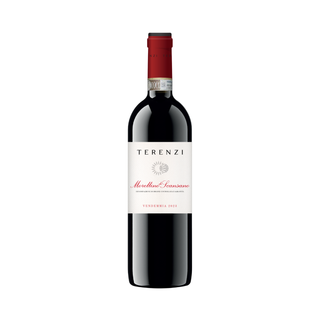
Our Dry Wine Pick: Morellino di Scansano DOCG
The ideal entry point to Italian dry red wine is Morellino di Scansano DOCG. Made from 100% Sangiovese grown in the Maremma hills of southern Tuscany, it delivers fresh acidity, dark berry fruit, and rounded tannins, with minimal residual sugar. Versatile enough for beginners, satisfying enough for seasoned drinkers.
Choosing Dry Wine: A Quick-Reference by Style
When you want to choose a dry wine for a particular occasion, use this type-by-type guide to narrow it down. For in-depth grape guides, follow the links in the table.
| Type | Representative Styles and Grapes | Food Pairings |
|---|---|---|
| Dry White Wine | Sauvignon Blanc, Vermentino, Pinot Grigio | Seafood, chicken, salads, Japanese cuisine |
| Dry Red (Light to Medium) | Sangiovese (Chianti, Morellino), Barbera | Pasta, pizza, pork and chicken dishes |
| Dry Red (Full-Bodied) | Nebbiolo (Barolo), Primitivo | Beef, lamb, aged cheese, hearty meat dishes |
| Dry Sparkling | Prosecco Brut, Champagne Brut | Aperitivo, sashimi, fried foods, starters |
FAQ
Q. Why does my "dry" wine taste sweet?
The label means residual sugar is under 4-9g/L, but high alcohol, ripe fruit (especially Primitivo), and low acidity can make a wine feel richer and more fruit-forward than expected. It is dry by definition, but generous in style.
Q. What food goes best with dry wine?
Dry whites pair with seafood, chicken, and cream sauces. Dry reds excel with beef, lamb, pork, and aged cheese.
Q. Are dry wines always high in alcohol?
Not at all. Italian dry whites can be 11-12% ABV, while Puglia reds often reach 14-15%. The alcohol content is always listed on the label.
Q. Is sparkling wine "dry" the same as still wine "dry"?
No. Sparkling wine uses different thresholds. "Brut" sparkling wine can have up to 12g/L RS. "Extra Dry" Prosecco (12-17g/L) is actually slightly sweet, despite the name.


Comments (0)
There are no comments for this article. Be the first one to leave a message!