

The best wine for carbonara is a crisp dry white, or a sparkling, whose fresh acidity resets the richness of egg yolk and cheese along with the salt and fat of guanciale (cured pork jowl). Having shared this dish around tables in Rome many times, I (Federico) can tell you carbonara is not a heavy dish, it is a dish of salt and savoury depth. What the wine needs is not power but the briskness of acidity and bubbles. Get that right and your home carbonara climbs a level.
The common myth: cream means a creamy wine
In Japan carbonara is often finished with fresh cream, which leads people to reach for a rich, oak-aged white. But authentic Roman carbonara contains no cream at all. Egg yolk, Pecorino Romano (sheep's cheese), guanciale and black pepper. That is genuinely all. So the stars are fat, salt and savoury depth. Pile an oaky white on top of that and heaviness breeds heaviness. The opposite works: a white or sparkling with clear acidity rinses the fat, and the richness of the egg stands out all the more. This is the subtraction, not addition approach I explain most often to guests.
The four elements of carbonara and what the wine must do
When a pairing feels hard, break the dish into its parts and the answer appears. Carbonara is built from four things.
| Element | What it really is | What the wine must do |
|---|---|---|
| Egg yolk richness | Round savoury depth and fat | Reset with acidity, lighten the finish |
| Pecorino salt | Strong salinity and milky umami | Mineral drive to meet the salt, gentle fruit |
| Guanciale fat | Toasty animal fat | Bubbles or high acidity to rinse the fat |
| Black pepper | A peppery kick | Low-tannin wine with soft fruit |
The conclusion is simple. A tannic, heavy red clashes with the black pepper and makes the fat feel heavier. So the royal road for carbonara is a dry white with acidity, or sparkling. If you want red, choose a style you can serve lightly chilled.
Diagram: reset the richness with acidity and bubbles
For carbonara, lean to the right (acidity and bubbles).
Rome's rules and Carbonara Day
Carbonara is a dish of Rome (Lazio). For Romans it is one of the four great Roman pastas (cacio e pepe, gricia, amatriciana, carbonara), all built on guanciale and Pecorino Romano. Add egg to gricia and you get carbonara, add tomato and you get amatriciana, so they are close cousins, and all pair well with an acidic white or a lightly chilled red. Here is a fact little known in Japan: Italy has Carbonara Day on 6 April every year, created in 2017 by the Italian food union (Unione Italiana Food) and the International Pasta Organisation, when social feeds fill with proud carbonara photos. And the first carbonara recipe in print, in 1954 in the magazine La Cucina Italiana, used garlic, Gruyere and pancetta, so even today's supposedly orthodox version is fairly recent and has evolved.
To pick the white, choose by the character of the region and you will not go wrong.
| Wine type | Character | Role with carbonara |
|---|---|---|
| Northern Italian dry white (Soave, Pinot Grigio) | Soft acidity, gentle fruit | Hugs the egg while cleaning the finish, the royal road |
| Piedmont white (Arneis) | White flowers, pear, fair body | Enough body to meet the pecorino salt |
| Sparkling (Prosecco) | Fine bubbles, light fruit | Rinses the fat, the lowest-risk choice |
| Lightly chilled light red (Sangiovese) | Cherry fruit, gentle tannin | A change-up that hugs pepper and umami |
Matching Japan's home carbonara
In Japanese homes the standard is a creamy carbonara made with bacon and fresh cream. That is a complete dish in its own right, and the match shifts a little. Because the cream softens everything, a white or sparkling with acidity works even more happily, cutting the richness with bubbles in a way that is genuinely addictive. On a day you cook the real thing with guanciale, the salt and fat run higher, so a bottle with firm acidity and minerality like Prosecco or Soave becomes your ally.
One tip that is easy to use at home: both white and sparkling close up if served too cold. Take the bottle from the fridge, wait two or three minutes and drink at around 8 to 10 degrees, so the aromas meet the richness of egg and cheese. If you pour a red, chill the Sangiovese in the fridge for about 15 minutes first. Even without a wine cellar, this one small temperature step changes how satisfying home pasta feels. The Roman habit of grinding plenty of black pepper right before eating also rings nicely with the wine's aromatics.
Carbonara wines you can drink at Swirl
What I (Federico) pour most often in Tokyo is the line-up below. Start with the classic white and sparkling.
| Swirl wine | Type | For this carbonara |
|---|---|---|
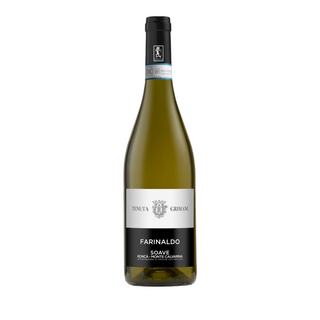
| Farinaldo Soave | White (Garganega) | The royal road that hugs the egg. For both the real and the home version |
| Pinot Grigio | White | Crisp and everyday. For a weeknight carbonara |
| Prosecco Millesimato | Sparkling | Rinses the fat, the no-fail bottle |
| Langhe Arneis | White (fuller) | For a pecorino-heavy, serious version |
| Morellino di Scansano | Light red (chilled) | A change-up on a black-pepper-heavy day |
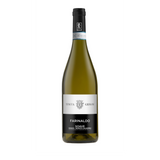
The classic Garganega white, the one that hugs the egg and cheese richness best
Farinaldo Soave 2024Tenuta Grimani
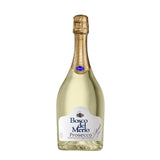
Bubbles rinse the fat, the right answer when in doubt
Prosecco Millesimato Brut 2024Bosco del Merlo
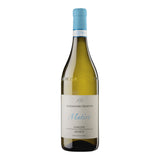
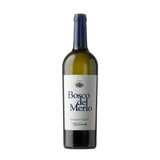
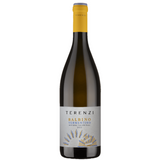
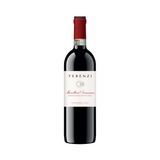
Serve lightly chilled, a Sangiovese that hugs pepper and umami
Morellino di Scansano 2023Terenzi
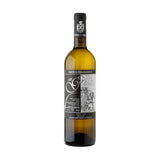
Choose by what you like
- If you simply do not want to miss then Prosecco. The bubbles rinse the fat and suit any carbonara.
- If you love white wine then Farinaldo Soave. Its balance of body and acidity loves the egg.
- If you want it crisp and light then Pinot Grigio or Sauvignon Blanc.
- If you want red then Morellino (Sangiovese), lightly chilled. Avoid heavy tannic reds.
- If you cooked the real Roman version (no cream) then Arneis or Soave to meet the salt.
Frequently asked questions
Q. Does red wine not work with carbonara?
A. It is not that it fails. A heavy tannic red clashes with the black pepper, but a low-tannin red with acidity like Sangiovese, served lightly chilled, hugs the umami. The royal road is still white or sparkling.
Q. Is a rich white like Chardonnay no good?
A. An oaky, rich Chardonnay tends to pile fat on fat and drag. If you use one, choose an unoaked, crisp style. When in doubt, a white or sparkling with clear acidity is the safe bet.
Q. Does real carbonara truly contain no cream?
A. It does not. The Roman standard is egg yolk, Pecorino Romano, guanciale and black pepper only. The creamy richness comes from the egg and cheese. Think of Japan's cream version as a delicious separate dish to enjoy on its own terms.
Q. Sparkling: sweet or dry?
A. Dry (Brut) is the pick. For the salt and savoury depth of carbonara, a crisp dry sparkling works most happily.
Q. What is the common mistake?
A. Thinking a rich dish needs a rich wine, and reaching for a heavy oaky white or a tannic red. Carbonara is a dish of salt and fat. Lightening it with acidity and bubbles makes the egg richness shine.
Add a chilled bottle to tonight's carbonara, and bring a little of Rome's easy table to Tokyo.
Sources: the founding of Carbonara Day (2017, Unione Italiana Food and the International Pasta Organisation) and the 1954 first printed recipe in La Cucina Italiana. Both confirmed from public information.


Comments (0)
There are no comments for this article. Be the first one to leave a message!