

The best wine for mackerel (saba) is a crisp dry rose, a white, or a sparkling whose clear acidity stands up to the oil and aroma of blue-backed fish. From shime-saba to miso-simmered, mackerel changes character completely with how it is cooked, so rather than naming one bottle for all of it, the trick is to choose by the cooking method. Drawing on my experience pairing fish with wine in Tokyo, here (Federico) is a way to think about it that will not let you down.
The common myth: red wine makes fish taste fishy
You often hear that wine makes oily fish taste fishy, so avoid it. That is half true and half a misunderstanding. The real culprit behind the fishy finish is the iron in the wine. A 2009 paper in the Journal of Agricultural and Food Chemistry, from a Japanese team led by Takayuki Tamura, showed in scallop tastings that wines higher in iron produced a stronger fishy aftertaste, and that adding a substance to bind the iron reduced it. In other words, whether mackerel turns fishy is decided not by red versus white but by how much iron the wine holds. A light low-iron white or rose will not clash with mackerel. The right lesson is simply to avoid heavy, tannic reds.
Why mackerel is hard, and the answer by cooking method
Mackerel is called a tricky pairing because it is oily and carries the strong aroma of blue-backed fish. Add salt, rawness, miso or frying, and the ideal wine shifts a lot. Use the table below as a guide.
| Cooking method | Flavour profile | Wine that fits |
|---|---|---|
| Shime-saba (vinegar-cured) | Acidity and salt, raw oil and aroma | High-acid dry white, dry rose, sparkling |
| Salt-grilled | Toasty fat and smoke, clean salt | Mineral white, Pinot Grigio |
| Miso-simmered | Sweet-salty, rich, deep | Lightly chilled light red (Sangiovese), dry rose |
| Tatsuta-age, mackerel fry | Frying oil and crisp coating | Sparkling, high-acid white (Sauvignon) |
| Canned mackerel | Concentrated umami, salt, oil | Dry rose, a brisk sparkling |
One principle runs through all of it: cut the oil of blue fish with acidity, and choose a low-iron wine. Keep to that and mackerel and wine get along beautifully.
Diagram: choose by cooking method, the mackerel and wine map
The shared axes are acidity and low iron. Hold those two and you will not go far wrong.
Regional styles and Veneto's love of blue fish
Italy has its own culture of loving blue-backed fish. The Veneto speciality sarde in saor layers fried sardines, the cousins of mackerel, with a sweet-sour of onions, pine nuts and raisins. It began as fishermen's wisdom for keeping fish on long voyages, and today it is an essential snack in the bacari (wine bars) of the Veneto, a classic cicchetti. The charming part is that it is said to taste best after resting for a day, much like Japan's shime-saba or nanban-zuke. To oily fish turned with acidity, Venetians pour a coastal white or a rose. That is the local way, and a fine tradition of blue fish and wine that is still little known in Japan.
That idea carries straight over to Japanese mackerel dishes. Cut the oil with acidity and bubbles, and hug the umami with the gentle red fruit of a rose. A dry rose like Pinot Grigio Rose suits everything from shime-saba to miso-simmered for exactly this reason.
Enjoying Japanese mackerel dishes
Let us look a little closer by cooking method. Shime-saba has acidity and salt, with the raw oil beneath. A high-acid dry white or a dry rose fits best. The green acidity of Sauvignon, or the gentle red fruit of a rose, tidies the raw oil cleanly. For salt-grilled, the toasty aroma leads, so with a squeeze of sudachi reach for Vermentino or Soave, and with grated daikon a Pinot Grigio settles in nicely.
Miso-simmered is sweet-salty and rich, so a lightly chilled light red suits it better than a white. Chill Sangiovese a little and let its soft tannins meet the sweet-miso richness. For tatsuta-age or mackerel fry, cutting the frying oil with bubbles is best: chill Prosecco hard, squeeze lemon on the fry. That briskness is addictive. At home, the key is not to over-chill either white or rose. Rest the bottle a few minutes out of the fridge, and around 8 to 10 degrees the aromas open. Even without a wine cellar, that one temperature step lifts mackerel pairings a great deal. For raw preparations, use only very fresh fish, mind the risk of anisakis, and if in doubt enjoy it cooked.
Mackerel wines you can drink at Swirl
What I (Federico) recommend for mackerel is the low-iron, acidity-led line-up below.
| Swirl wine | Type | For this mackerel dish |
|---|---|---|
| Pinot Grigio Rose | Rose | From shime-saba to miso-simmered, a versatile royal road |
| Pinot Grigio | White | Crisp, for salt-grilled and shime-saba |
| Sauvignon Blanc Turranio | White (high acid) | For shime-saba and tatsuta-age |
| Prosecco Millesimato | Sparkling | Rinses the oil of tatsuta-age and mackerel fry |
| Morellino di Scansano | Light red (chilled) | For the sweet-salty richness of miso-simmered |
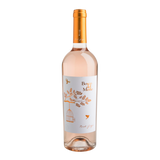
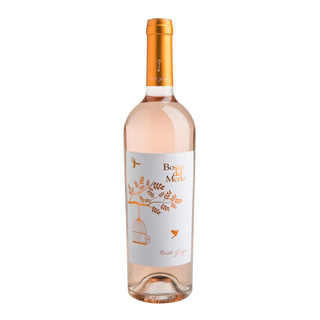
Versatile from shime-saba to miso-simmered, the bottle for when in doubt
Pinot Grigio Rosé 2024Bosco del Merlo
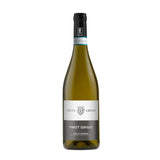
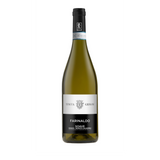
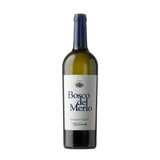
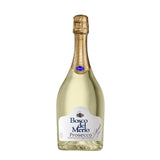
Bubbles rinse the oil of tatsuta-age and mackerel fry
Prosecco Millesimato Brut 2024Bosco del Merlo
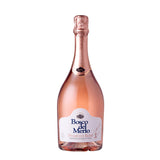
Bubbles and rose in one, for mackerel dishes across the board
Prosecco Rosé Millesimato 2024Bosco del Merlo
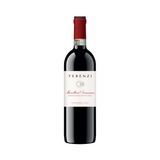
Serve lightly chilled, a Sangiovese that hugs miso-simmered richness
Morellino di Scansano 2023Terenzi
Choose by taste or cooking method
- One bottle for any mackerel dish then Pinot Grigio Rose. Acidity and gentle red fruit cover a wide range.
- For shime-saba and salt-grilled then Pinot Grigio, or the green acidity of Sauvignon.
- For miso-simmered then Morellino (Sangiovese), lightly chilled.
- For tatsuta-age and mackerel fry then Prosecco, or Prosecco Rose.
- If you want red then a low-tannin, low-iron light red, served cool. Heavy tannic reds cause the fishy note.
Frequently asked questions
Q. Is red wine absolutely off for mackerel?
A. Not at all. The cause of a fishy note is iron, so a low-iron, low-tannin light red served chilled is actually a fine match for miso-simmered and the like. Just avoid heavy, tannic reds.
Q. What is best for shime-saba?
A. A high-acid dry white or a dry rose. Shime-saba already carries acidity, so a wine with matching acidity falls into step naturally.
Q. Does wine suit canned mackerel too?
A. Very much. With water-packed or miso styles the umami is concentrated, so reach for a dry rose or a brisk sparkling. For a snack that lightness is just right.
Q. White: sweet or dry?
A. Dry. Cutting the oil of blue fish needs crisp acidity. Sweet styles tend to make the oil feel heavier.
Q. What is the common mistake?
A. Thinking fish means white and reaching for a rich, oaky white. Mackerel wants acidity and bubbles more than oaky richness. Remember the two keys: acidity and low iron.
Pair autumn mackerel with a chilled rose or white. Blue fish is not the enemy of wine; with the right choice it becomes a superb partner.
Sources: Tamura et al., Iron Is a Key Factor in the Fishy Aftertaste, Journal of Agricultural and Food Chemistry, 2009. The Veneto tradition of sarde in saor. Both confirmed from public information.

Comments (0)
There are no comments for this article. Be the first one to leave a message!