

What to eat with Chardonnay comes down to one thing: how much oak is in the glass. An unoaked, fresh style loves shellfish, antipasti and lean white fish. An oaked, buttery style shines with cream sauces, tempura and roast chicken. The same grape, Chardonnay, changes its best partner completely depending on how it was made.
I am Italian, I import Italian wine in Tokyo, and I pour it almost every day. Chardonnay is the most widely planted white grape in the world, and it is the one our customers ask about most: "What should I serve with Chardonnay?" In this article I use the oaked versus unoaked divide as the starting point, then walk through pairings that truly work at the Japanese table, with wines you can actually drink from the Swirl cellar. For the grape itself, see What is Chardonnay.
A common misconception: choosing food as if Chardonnay were always heavy
The most common misconception is: "Chardonnay is buttery and heavy, so it does not go with light Japanese food." That is only half true. Chardonnay raised patiently in oak is indeed full and rich, but Chardonnay made without oak turns into a surprisingly fresh white, taut with lemon and green apple. Pairing crisp Chablis with oysters is one of the most famous matches in the world: far from heavy, its sharp acidity lifts the sweetness of the shellfish.
So with Chardonnay, look at "oaked or unoaked" before you think about red versus white. If the label or the shop says "barrel aged," "oak" or "barrique," it is the rich type. If it says "stainless steel," "unoaked" or "Chablis," it is the fresh type. Keep that in mind and choosing the dish becomes much easier.
First things first: oak decides the pairing
Chardonnay has a naturally gentle aroma, so the maker's hand shows clearly. That is exactly why oak changes its character so much, and why it helps to split the food into these two types.
Unoaked (fresh and sharp)
Chablis, stainless-steel fermentation, cool-climate Chardonnay
- Lemon, green apple, white flowers, flinty minerality
- Crisp acidity, light body
- Great with: oysters, sashimi, white-fish carpaccio, sushi, antipasti, salad, mountain-vegetable tempura (with salt)
Oaked (full and rich)
Barrel fermented and aged, warm climate, Napa and California
- Butter, toast, vanilla, ripe yellow peach and pineapple
- Rounded on the palate, full body
- Great with: cream-sauce pasta, gratin, sauteed chicken, butter-cooked fish, tempura, corn or chestnut potage
In a table, the tendencies look like this.
| Trait | Unoaked | Oaked |
|---|---|---|
| Body | Light to medium | Medium to full |
| Acidity | High (sharp) | Medium (rounded) |
| Aroma | Citrus, green apple, mineral | Butter, vanilla, toast, ripe fruit |
| Serving temp | 8 to 10C | 10 to 13C |
| Best with | Raw dishes, antipasti, lean fish | Cream, butter, fried food, chicken |
How region shapes the style of Chardonnay
Chardonnay is made everywhere, but for pairing the useful guide is a simple multiplication: how cool the land is, times how much oak is used. In broad terms, these three are enough to remember.
| Region and style | Flavour tendency | Easy pairings |
|---|---|---|
| Cool, unoaked (Chablis, northern Italy, cool sites) | Sharp acidity, minerality, light | Oysters, sashimi, white fish, sushi |
| Warm, light oak (Sicily and the Mediterranean) | Yellow peach and herbs, between fullness and freshness | Sauteed white fish, herb-roasted chicken, mixed antipasti |
| Warm, generous oak (Napa, California) | Butter, vanilla, ripe fruit, rich | Cream sauces, gratin, tempura, roast chicken |
In the cellar, three things mainly shape a Chardonnay. First, malolactic fermentation (MLF), which turns sharp malic acid into softer lactic acid and, when it runs, brings a buttery richness. Second, oak: the newer the barrel, the stronger the vanilla and toast. Third, sur lie, resting the wine on its lees (the spent yeast) to add savoury depth and texture. Keep these restrained in a cool place and you get a sharp white; use them fully in a warm place and you get a rich one.
Incidentally, the name "Chardonnay" is said to come from a small village called Chardonnay in the Maconnais of Burgundy. The fact that the most famous white grape in the world takes its name from a village of only a few hundred people is a nice piece of trivia to keep in your pocket.
How to pair it at the Japanese table (the heart of it)
Here is the real point. Chardonnay is actually an excellent match for washoku and Japanese home cooking, and it is a shame it is thought of as "for Western food only." Let us go type by type with specific Japanese dishes.
| Dish | Recommended type | Note |
|---|---|---|
| Sashimi and sushi (white fish, shellfish) | Unoaked, fresh | Sharp acidity lifts the sweetness of raw fish. Go easy on the soy sauce |
| Tempura (with salt) | Unoaked to light oak | Acidity for the light batter, a little fullness for prawn and kakiage |
| Teriyaki chicken, karaage | Light oak to oaked | Fullness wraps around the sweet-savoury glaze and the frying oil |
| Chawanmushi, dashi-rich simmered dishes | Unoaked | The umami of dashi and the acidity meet quietly. For delicate plates |
| Gratin, cream croquette | Oaked | Butter meets butter. The classic match |
| Sweet simmered pumpkin or corn, potage | Oaked | Ripe-fruit nuances echo the vegetables' sweetness |
| Grilled corn with butter and soy | Oaked | Toastiness and vanilla are made for each other |
One more match I often suggest at the Tokyo table is oaked Chardonnay with saikyo-yaki (fish marinated in sweet white miso) or deep-fried oysters. The sweetness of white miso and the creamy richness of a fried oyster melt into the butter and vanilla as if they had always belonged together. Dishes with cheese, such as carbonara, cream croquette and gratin, are reliable partners for oaked Chardonnay too. On the other hand, for quiet plates like chilled tofu, ohitashi or sashimi of white fish, a sharp unoaked Chardonnay lets the delicacy of the ingredients shine through untouched. "Rich dish, rich Chardonnay; light dish, fresh Chardonnay." Remember that one line and you will rarely miss.
At home in Japan, temperature matters most. The common mistake is serving it too cold. An ice-cold Chardonnay shuts down both aroma and flavour. Serve the fresh unoaked type at 8 to 10C and the rich oaked type at 10 to 13C, which means pouring it about ten minutes after taking it out of the fridge, so the aroma opens gently. Even without a wine cellar, just learning this "take it out, take a breath" habit makes the same bottle much better. When I serve an oaked Chardonnay at the shop, I deliberately keep it a touch warmer so guests can feel the butter and ripe fruit.
Federico's picks: Chardonnay you can drink now at Swirl
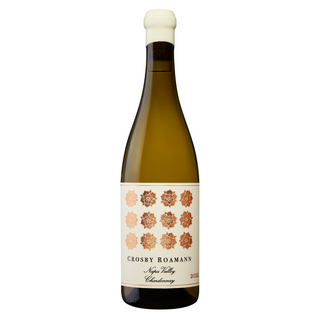
What I often pour first is Napa Valley Chardonnay. Made by Crosby Roamann, it is a textbook oaked, rich California style. Butter, vanilla and ripe yellow fruit spread generously, and it is wonderful with cream-sauce pasta, gratin and roast chicken, and, surprisingly, with tempura. A bottle for a special meal or a slightly indulgent evening.
For something lighter and more everyday, try the Chardonnay (organic) made by Barone di Serramarrocco in Trapani, Sicily. Mediterranean sunshine gives it yellow peach and herbs, with a gentle fullness balanced by freshness, happy to sit beside sauteed white fish, herb-roasted chicken and a plate of antipasti. The organic farming is reassuring too.
Depending on the dish, switching to a white other than Chardonnay can be the better call. For raw dishes and delicate dashi cooking, a crisp white like Veneto's Farinaldo Soave or northern Italy's Pinot Grigio pairs beautifully. For the sea-salt scent of clams and prawns, reach for Balbino (Vermentino), which tastes of the sea. For aromatic white fish, Piedmont's Langhe Arneis. And when you want to cut through the oil of tempura or fried food, the sparkling Prosecco Millesimato Brut is your friend.
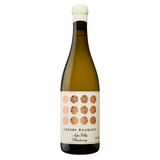
Rich oaked Chardonnay. For cream, gratin and tempura
Napa Valley Chardonnay 2023Crosby Roamann
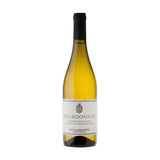
Gentle fullness. For sauteed white fish and herb-roasted chicken
Barone Chardonnay 2024Barone di Serramarrocco
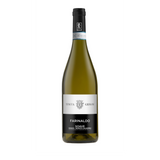
Light unoaked white. For sashimi, dashi dishes and antipasti
Farinaldo Soave 2024Tenuta Grimani
Bubbles to cut oil. For tempura, karaage and fried food
Prosecco Millesimato Brut 2024Bosco del Merlo
Chardonnay at Swirl, and the whites that pair well alongside it
Here are the Chardonnays themselves and the whites worth switching to by dish. Check stock and price on each product page.
| Wine | Type | Best with |
|---|---|---|
| Napa Valley Chardonnay | Chardonnay (oaked, rich) | Cream sauces, gratin, tempura, roast chicken |
| Chardonnay (Sicily, organic) | Chardonnay (light oak) | Sauteed white fish, herb-roasted chicken, antipasti |
| Farinaldo Soave | White (unoaked, light) | Sashimi, dashi dishes, salad, antipasti |
| Pinot Grigio | White (crisp, neutral) | Sushi, white fish, everyday meals |
| Balbino (Vermentino) | White (saline, fresh) | Clams, prawns, carpaccio |
| Langhe Arneis | White (aromatic) | Grilled white fish, herb dishes |
| Prosecco Millesimato Brut | Sparkling | Tempura, karaage, fried food, a toast |
How to choose: start from the dish or the flavour you like
When in doubt, work backwards from a dish or a flavour you love and you will not go wrong.
- Love oysters and sashimi, go to unoaked fresh Chardonnay, or Soave
- Love gratin and cream pasta, go to rich oaked Chardonnay (Napa)
- Pairing with tempura, go to light-oak Chardonnay, or sparkling Prosecco
- Love teriyaki chicken and karaage, go to light-oak to oaked Chardonnay
- Love a crisp chilled glass, go to unoaked Chardonnay, Pinot Grigio or Balbino
- Love butter and vanilla aromas, go to oaked Napa Chardonnay
To learn more about the grape itself, see What is Chardonnay, and for white wine pairing in general, What to eat with white wine.
Frequently asked questions
Q. Does Chardonnay go with Japanese food?
A. Very well. The fresh unoaked type suits sashimi, sushi and dashi-rich dishes, while the rich oaked type loves tempura, teriyaki and cream croquette. The trick is to drop the idea that it is "for Western food only."
Q. Should I choose oaked or unoaked?
A. Let the dish decide. Raw or delicate dishes call for unoaked; cream, butter and fried food call for oaked. The labels "stainless steel," "oak" and "barrel aged" are your markers.
Q. What happens if I serve Chardonnay too cold?
A. Both aroma and flavour shut down. Aim for 8 to 10C for unoaked and 10 to 13C for oaked. Pour it about ten minutes after taking it out of the fridge and the true aroma opens up.
Q. Do Chardonnay and Sauvignon Blanc pair with different dishes?
A. Yes. Sauvignon Blanc has strong herbal and citrus aromas and favours green vegetables and vinegary dishes. Chardonnay is far more flexible, covering everything from raw dishes to cream cooking depending on the oak.
Q. What is the common mistake?
A. Deciding "Chardonnay equals heavy" and matching a heavily oaked bottle to a delicate dish. Match the weight of the dish, choose unoaked or oaked first, and you will almost never miss.
Chardonnay has one of the widest pairing ranges of any wine. Start from the simple question "is tonight's dish oaked or unoaked," and enjoy exploring from there.
Sources: on Chablis frost protection (candles and burning straw), AFP / Yahoo News "'Candles' save Chablis wine from frost wipeout," The Local France (April 2021) and Euronews. On the village of Chardonnay in Saone-et-Loire, said to be the origin of the grape's name, Wikipedia (Chardonnay, Saone-et-Loire).


Comments (0)
There are no comments for this article. Be the first one to leave a message!