

What to eat with Sangiovese comes down to one thing: tomato, and dishes full of umami. Bright cherry fruit, lively acidity and gentle tannins. With those three in balance, Sangiovese sits beautifully with tomato-sauce pasta and pizza, of course, but also with Japanese food built on dashi and soy. Drop the idea of a harsh, heavy red and it becomes the most dependable bottle on your table.
I am Italian, I import Italian wine in Tokyo, and I pour it almost every day. Sangiovese is the most widely planted black grape in Italy, the backbone of Chianti, Brunello and Morellino. In this article I start with why Sangiovese is so friendly with food, then walk through pairings that truly work at the Japanese table, with wines you can actually drink from the Swirl cellar. For the grape itself, see What is Sangiovese.
A common misconception: Sangiovese is not a harsh, heavy red
The most common misconception is: "Italian reds are harsh and heavy, so they do not go with delicate Japanese food." With Sangiovese, the opposite is almost true. The star of this grape is not tannin but acidity. Precisely because it has a bright acidity that rinses the palate clean, it pairs well with fatty, savoury dishes and makes the next bite taste better. If you are picturing the weight of Cabernet, its lightness will surprise you.
The other misconception is "for tomato dishes only." Its affinity with tomato is indeed excellent, but that is because the acidity of Sangiovese and the acidity of tomato resonate together. By the same logic, it goes with the umami of dashi, the toasty savour of soy sauce and the earthiness of mushrooms. In short, every dish connected by "acidity and umami" is Sangiovese's home ground.
First things first: why Sangiovese is strong with food
Sangiovese is, by design, built for the table. Before thinking about pairings, let us pin down the basic character of the grape.
| Trait | Tendency |
|---|---|
| Body | Medium (light to medium) |
| Acidity | High (the star) |
| Tannin | Medium (fine-grained) |
| Aroma | Red cherry, violet, dried tomato, black tea, earth |
| Serving temp | 16 to 18C |
This combination of "high acidity, gentle tannin, cherry fruit" cuts through fat, lifts umami and never gets in the way of the food. Sangiovese has been loved as the everyday red of the Italian table because it tastes as if it were born to be drunk with a meal.
How region shapes the face of Sangiovese
Sangiovese changes its face greatly with the land it grows on and with ageing. Thinking in these three faces makes it easy to judge how heavy a dish to pair.
Light: Morellino
Maremma (southern Tuscany)
- Bright cherry, juicy acidity
- Everyday meals, tomato dishes, pizza
Medium: Chianti
Central Tuscany
- Cherry with earth and herbs, clean acidity
- Pasta, chicken, mushrooms, meat dishes in general
Powerful: Brunello and Riserva
Montalcino, aged styles
- Concentrated fruit, smooth tannin, depth
- Stews, red meat, game, aged cheese
In the cellar, ageing is what mainly shapes a Sangiovese. Rested slowly in large barrels, it keeps its cherry fruit and its Sangiovese acidity while the tannins melt into softness. With small new barrels, vanilla and spice are added for a more modern, concentrated style. Tuscan makers use this choice of oak to decide whether to aim for "lightness that sits beside a meal" or "power that stands on its own."
This pairing of fettunta and Sangiovese captures the essence of the grape. The wine's acidity sweeps away the bitterness of the green oil and the toastiness of the bread, and the cherry fruit follows behind. Simple yet complete, it is the Tuscan table itself.
How to pair it at the Japanese table (the heart of it)
Here is the real point. Sangiovese is genuinely compatible with washoku and Japanese home cooking, and it is a shame to keep it as "a red for Italian food only." Let us go dish by dish.
| Dish | Recommended face | Note |
|---|---|---|
| Tomato-sauce pasta, pizza | Light (Morellino) | Acidity meets acidity, the classic of classics |
| Sukiyaki, nikujaga | Light to medium | Sweet-savoury soy and cherry fruit are a great match |
| Yakitori (tare), teriyaki | Light to medium | Acidity sits neatly beside the sweet, savoury glaze |
| Hamburg steak, meat sauce | Medium (Chianti) | Earthy aromas layer over the minced-meat umami and tomato |
| Sauteed mushrooms, dobin-mushi | Medium | Sangiovese's earthy scent and mushrooms move in unison |
| Beef steak, stews | Powerful (Riserva) | Concentrated fruit and smooth tannin hold up to the meat |
| Aged cheese, liver pate | Medium to powerful | Acidity and fruit balance the salt and richness |
One more pairing I often suggest in Tokyo is Sangiovese with grilled eel (unagi no kabayaki) or ginger pork (buta no shogayaki). When the shine of a sweet-savoury glaze meets the cherry-like acidity of Sangiovese, the rich fat lightens in an instant and the next bite follows easily. For umami-deep washoku such as mushroom takikomi rice or a dashi-rich chicken jibuni, a medium Chianti type works well too. Not only Western dishes with tomato, but Japanese food built on soy and umami: Sangiovese quietly bridges them all.
At home in Japan, temperature matters most. The common mistake is serving it at room temperature. A Japanese room, especially in summer, is too warm, so the precious acidity of Sangiovese blurs and only the alcohol stands out. In summer, chill it for about 20 to 30 minutes in the fridge down to 16 to 18C and the balance of acidity and fruit comes neatly into focus. A lightly chilled, lighter Sangiovese becomes surprisingly easy to drink even on a hot day. Even without a wine cellar, this "quick chill" is enough.
Let us think a little more concretely, by the season. From autumn into winter, dishes of umami and deep savour grow on the table: mushroom takikomi rice, beef shin braised in red wine, root vegetables and sausage in a pot-au-feu. A medium to powerful Sangiovese fits these perfectly. Aged notes of earth, dried tomato and black tea layer quietly over the savour of mushrooms and roots, and the acidity loosens the fat. In spring and summer, by contrast, a lightly chilled Morellino suits a chilled pasta of tomato and summer vegetables, or a chicken-breast salad. Sangiovese is a rare, versatile red that falls naturally into step with the dishes of every season.
Federico's picks: Sangiovese you can drink now at Swirl
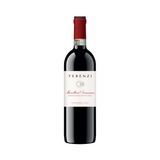
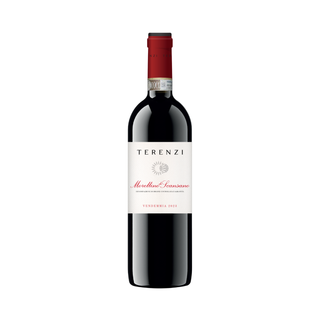
What I often pour first is Morellino di Scansano. Made by the Terenzi family in the Maremma of southern Tuscany, its charm is bright cherry fruit and juicy acidity. From tomato-sauce pasta and pizza to sukiyaki and yakitori tare, it is dependable at the everyday table. As an introduction to Sangiovese, this is the wine I would try first.
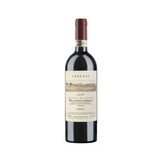
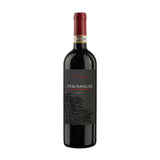
For a bottle with more depth, try the same Terenzi family's Riserva, Madrechiesa. Tannins made smooth by ageing and concentrated fruit stand up to beef steak, stews and aged cheese. And if you want even more concentration, the small-production Purosangue. The same Sangiovese, yet how much its face changes with the vineyard and the ageing will surprise you.
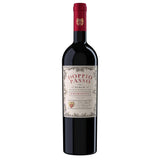
Depending on the dish, switching to another wine can be the better call. For sweet-glazed yakiniku or rich teriyaki, the fruitier Doppio Passo Primitivo pairs well. For mushrooms and light stews, Piedmont's Langhe Nebbiolo fits too. For antipasti and a toast, the sparkling Prosecco Millesimato Brut, and if a plate of white fish appears at the same table, adding a bottle of Farinaldo Soave keeps the whole meal flowing.
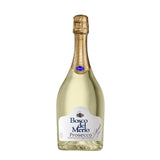
For antipasti and a toast. The bubbles to start a meal
Prosecco Millesimato Brut 2024Bosco del Merlo
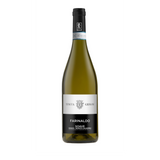
Sangiovese at Swirl, and the bottles to switch to by dish
Here is Sangiovese itself and the wines worth switching to by dish. Check stock and price on each product page.
| Wine | Type | Best with |
|---|---|---|
| Morellino di Scansano | Sangiovese (light) | Tomato dishes, pizza, sukiyaki, yakitori |
| Madrechiesa | Sangiovese (Riserva) | Beef steak, stews, aged cheese |
| Purosangue | Sangiovese (concentrated) | Meat dishes for a special day, game |
| Doppio Passo Primitivo | Red (rich fruit) | Sweet-glazed yakiniku, teriyaki, hamburg steak |
| Langhe Nebbiolo | Red (acidity and aroma) | Mushrooms, light stews, duck |
| Farinaldo Soave | White (light) | White fish, antipasti, dashi dishes |
| Prosecco Millesimato Brut | Sparkling | Antipasti, fried food, a toast |
How to choose: start from the dish or the flavour you like
When in doubt, work backwards from a dish or a flavour you love and you will not go wrong.
- Love tomato sauce or pizza, go to light Sangiovese (Morellino)
- Love sukiyaki or yakitori tare, go to light to medium Sangiovese
- Love beef steak or stews, go to aged Riserva (Madrechiesa)
- Love mushroom dishes, go to medium Sangiovese, or Nebbiolo
- Prefer a red with richer fruit, go to Primitivo
- Want a lightly chilled glass on a hot day, serve light Sangiovese at 16 to 18C
To learn more about the grape itself, see What is Sangiovese, and for pairing with Japanese food in general, What to eat with Japanese food.
Frequently asked questions
Q. Does Sangiovese go with Japanese food?
A. Very well. Because it connects through acidity and umami, it pairs with sukiyaki, nikujaga, yakitori tare, mushroom dishes and grilled eel, all the soy-and-umami dishes of washoku. The trick is to drop the idea that it is "a red for Italian food only."
Q. Is Sangiovese tannic?
A. The star is acidity, not tannin. The tannins are fine-grained and gentle, leaving the palate refreshed. If you are picturing the strong grip of Cabernet, its lightness will surprise you.
Q. What is the serving temperature?
A. Aim for 16 to 18C. A Japanese room, especially in summer, is too warm and blurs the acidity. Chill it for about 20 to 30 minutes in the fridge before serving and the balance of acidity and fruit comes together.
Q. How do Chianti, Morellino and Brunello differ?
A. All are Sangiovese-based, but the region differs. Morellino (Maremma) is light, Chianti (central Tuscany) is medium, Brunello (Montalcino) is powerful and built for ageing. Choose by the weight of the dish.
Q. What is the common mistake?
A. Serving it while the room is too warm. In summer especially, just a little chill makes the acidity stand up and transforms the match with the food. Avoiding it as a heavy red is a waste too.
Sangiovese is the great supporting player of the table, bridging tomato to Japanese food. Chill it a little and pair it with tonight's dish.
Sources: on fettunta (bruschetta with new oil) and the Tuscan new-oil tradition, Visit Tuscany "Fettunta Recipe," The Florentine "'Olio Nuovo' is now being served," and Divina Cucina.

Comments (0)
There are no comments for this article. Be the first one to leave a message!