

The key to choosing Christmas wine is not to rely on a single bottle, but to move with the courses of the meal: from sparkling to white, to red, and finally to something sweet. A sparkling wine for the toast, a crisp white for the starters and seafood, a red for the roast and the main, and a gentle sweet wine for dessert. Once you have these four steps in mind, the food and wine flow together beautifully, whether you are hosting a party or sharing a quiet evening for two.
I am Italian, I import Italian wine in Tokyo, and I pour it almost every day. Christmas in Italy is a day of feasting: the family gathers around a long table and eats its way through hours of food, from antipasti to sweet dolci. In this article I have translated that rhythm into something that fits the Japanese table, with a course-by-course guide and, for each step, a bottle you can actually drink from the Swirl cellar. No specialist knowledge required. Read it in order, and your wine for this Christmas is decided.
A common misconception: "one heavy red is enough for Christmas"
The most common misconception is that because Christmas is a feast, you just need one rich, heavy red. That is a bit of a missed opportunity. A Christmas table runs from light starters like salad and smoked salmon, through roast chicken and meat for the main, all the way to cake, and the intensity of the flavours keeps changing. Open a heavy red from the start and it will overwhelm the starters and clash with dessert.
The trick is to move the wine from light to heavy alongside the food, and finish with something sweet. That said, opening several bottles can feel like a lot. In that case, one sparkling and one red will cover almost everything. Sparkling has a wide range, from the toast to the starters and even fried food, and the red carries the main. Start with these two and you will not go wrong.
Choose your Christmas wine by the flow of the courses
So let us follow the flow of the table. If you think of the wine in these four steps, in step with the order of the food, everything becomes much clearer.
Toast and starters
Sparkling. Bubbles and acidity open the appetite and suit cured ham and salmon
Seafood and salad
A crisp white. For seafood, vegetable starters and carpaccio
Main and roast
Red. Stands up to roast chicken, meat and richer dishes
Dessert
Sweet. A gently sweet bottle for cake and panettone
This order is the Italian Christmas table itself: sparkling with the antipasti, white and red with the first and second courses, and something sweet with the dolci at the end. Having a little of all four glasses is the authentic style, but on the Japanese table, choosing just two or three of them is more than enough to set the mood.
Step 1: sparkling for the toast and starters
Christmas begins, of course, with bubbles for the toast. Sparkling wine, with its fine bubbles and fresh acidity, resets the palate, so it is perfect at the start of a meal. It suits almost any starter: cured ham, smoked salmon, a cheese board, a quiche.
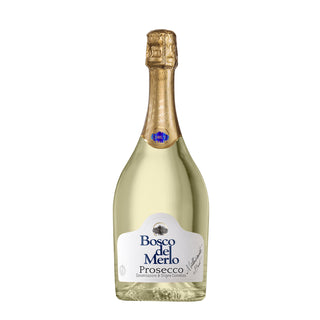
What I often pour is the dry Prosecco Millesimato Brut. Made by Bosco del Merlo in Veneto (north-east Italy), it is a light sparkler with notes of green apple and white flowers. It brings a festive feel to the table and is gently priced, so many people buy it by the case for a party toast. The pretty pink Prosecco Rosé Millesimato makes a Christmas table feel even more special.
Veneto Prosecco comes with a way of drinking that is little known in Japan. Locally there is a custom called "l'ombra" (dialect for "shade"), a small glass tossed back casually even during the day, and a culture of hopping from bar to bar called the "giro d'ombre". Prosecco is not a wine to drink stiffly: it is an everyday sparkler that connects people. The authentic spirit of the Christmas toast, too, is to relax and enjoy.
Step 2: white wine for seafood and starters
After the toast come lighter dishes: seafood carpaccio, salad, marinated white fish. Switching to a crisp white here lets the delicate flavours of the food shine. There is no need to force a heavy red.
Good matches are the Veneto Farinaldo Soave and Pinot Grigio. Both have fresh citrus and herbal aromas and gently carry seafood and vegetable starters. If you like a more aromatic white, the Langhe Arneis from Piedmont (north-west Italy), or the herb-driven Sauvignon Blanc Turranio, are lovely too.
Step 3: red wine for the roast and the main
When it comes to the Christmas main, think roast chicken, roast beef, braised dishes. Now it is the red wine's turn. You can choose from light to powerful reds according to how rich the dish is.
Light to medium
Sangiovese from Tuscany
- Bright cherry fruit and clean acidity
- For roast chicken and tomato-based dishes
Fruit-forward
Primitivo from Puglia
- Ripe black fruit, a mellow mouthfeel
- For roast beef and sweet-savoury seasoning
A special bottle
Red from Napa Valley
- Concentrated fruit and generous depth
- For a gift, or a special-occasion main
A reliable everyday choice is the Morellino di Scansano from Maremma in Tuscany. Born from the Sangiovese grape, with bright cherry fruit and fresh acidity, it slips in easily alongside roast chicken and tomato-based dishes. Its tannins are gentle, so it is an easy bottle to recommend even to those who find red wine difficult. If you want a little more fruit, reach for the Doppio Passo Primitivo from Puglia. Its sweet, ripe fruit and mellow texture suit roast beef and sweet-savoury sauces. For a special Christmas, opening a concentrated bottle like the Napa Valley Bon Ton Red from California is a real treat.
Step 4: sweet wine for dessert
Last comes dessert. What is often overlooked here is the basic rule that sweet treats call for a sweet wine. Pair a dry red with cake and the wine will taste sour and thin. The trick is to choose a wine a touch sweeter than the dessert.
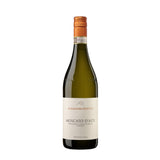
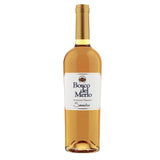
The gently sweet, lightly sparkling Moscato d'Asti, or the easy-going Doppio Passo Moscato, are classic partners for Christmas cake and panettone. They are low in alcohol (around 5 percent), so grown-ups can relax over them after the meal, or at a table with children. For a rich chocolate cake or dried-fruit sweets, a properly sweet wine like the Verduzzo Passito is lovely too.
Enjoying it at the Japanese table (the heart of it)
Now for the real point. Christmas in Japan has its own distinctive feast, different from Italy's: fried chicken, roast chicken, pizza, and strawberry shortcake. How should wine be matched to this uniquely Japanese Christmas menu?
First, fried chicken, which you could call the star of the Japanese Christmas. What lightens the crunch of the batter and the oil best is sparkling. The fine bubbles and acidity of Prosecco cut through the fat of fried food and make the next bite feel light. Fried chicken from the convenience store or a shop, with a chilled Prosecco: this really is a great match, and one of the easiest, most reliable pairings I have discovered living in Japan. For roast chicken, a light Sangiovese red or a fruit-forward Primitivo works well.
Then strawberry shortcake. For the fresh cream and the sweet-tart strawberries, a bottle with gentle sweetness and soft bubbles, like Moscato d'Asti, is perfect. Sweet things do not fight each other; the acidity of the strawberries and the bubbles of the wine melt together lightly. A dry wine would taste sour against the sweetness of the cake, so choose sweet here. For richer dishes like delivery pizza or gratin, a Primitivo or Morellino red is dependable.
| Japanese Christmas dish | Recommended wine | Note |
|---|---|---|
| Fried chicken | Prosecco (dry sparkling) | Fine bubbles and acidity cut the batter's oil and lighten it |
| Roast chicken | Morellino (light red) | Cherry fruit and acidity suit the fragrant skin |
| Roast beef | Primitivo (fruit-forward red) | Ripe, mellow fruit stands up to the meat's savour |
| Delivery pizza and gratin | Morellino / Primitivo | Fruit-forward reds suit the richness of tomato and cheese |
| Smoked salmon and cured ham | Prosecco / Soave | Bubbles and white freshness lighten salt and fat |
| Strawberry shortcake | Moscato d'Asti (sweet) | Strawberry acidity and gentle sweet bubbles melt together |
| Chocolate cake | Verduzzo Passito (richly sweet) | A rich dessert calls for a properly sweet bottle |
The most important thing in a Japanese home is the temperature of the wine. A common mistake is serving sparkling or white while it is still lukewarm. Chill bubbles and whites well in the fridge (white to 8 to 10C, sparkling to 6 to 8C) and their freshness comes alive. Reds, on the other hand, can be a touch too warm even at Japanese winter room temperature, so putting the bottle in the fridge for about 20 minutes before serving, down to 16 to 18C, makes the fruit stand up cleanly. Even without a wine cellar, this one fridge adjustment makes the very same wine look like a different bottle.
Federico's picks: one bottle, two, or a full course for Christmas
For anyone wondering "so what should I actually buy?", here is how to choose by budget and number of guests.
For a quiet Christmas for two, one sparkling and one sweet. Carry the toast, starters and main with the Prosecco Millesimato Brut, and finish dessert with the Moscato d'Asti. That alone makes the evening sparkle.
If many dishes are lined up at a home party, go sparkling, white, red and sweet along the flow. Prosecco for the toast, Farinaldo Soave for the starters, Morellino or Primitivo for the main, and Moscato d'Asti for dessert. For a gift or a very special night, adding the Napa Valley Bon Ton Red as the main brings a sense of occasion.
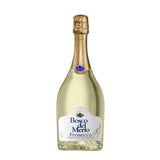
For the toast, starters and even fried chicken. A dry sparkler
Prosecco Millesimato Brut 2024Bosco del Merlo
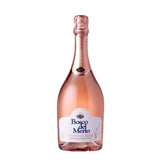
A festive pink sparkler. Makes the Christmas toast special
Prosecco Rosé Millesimato 2024Bosco del Merlo
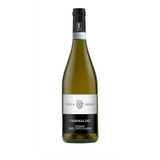
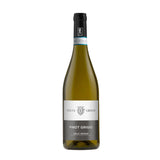
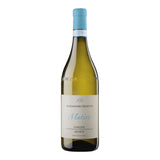
An aromatic Piedmont white. For a slightly special starter
Langhe Arneis 2024Alessandro Rivetto
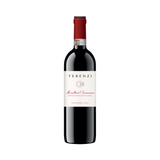
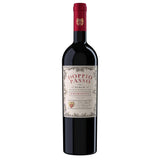
For roast beef and sweet-savoury dishes. A fruit-forward red
Doppio Passo Primitivo 2024Doppio Passo
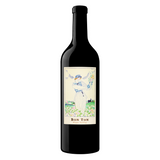
For a special night or a gift. A concentrated Napa red
Napa Valley Bon Ton Red 2022Crosby Roamann
Christmas wines you can drink at Swirl, at a glance
Here are the course-by-course picks with a guide price. Please check stock and the latest price on each product page.
| Course | Wine | Type | Price (incl. tax) |
|---|---|---|---|
| Toast and starters | Prosecco Millesimato Brut | Sparkling (dry) | ¥3,300 |
| Toast and starters | Prosecco Rosé Millesimato | Sparkling rosé | ¥3,700 |
| Seafood and starters | Farinaldo Soave | White (crisp) | ¥3,700 |
| Seafood and starters | Pinot Grigio | White (light) | ¥3,700 |
| Starters and seafood | Langhe Arneis | White (aromatic) | ¥4,500 |
| Main | Morellino di Scansano | Red (light, Sangiovese) | ¥3,850 |
| Main | Doppio Passo Primitivo | Red (fruit-forward) | ¥2,200 |
| Main (special) | Napa Valley Bon Ton Red | Red (concentrated) | ¥8,250 |
| Dessert | Moscato d'Asti | Sweet, lightly sparkling | ¥3,900 |
| Dessert | Verduzzo Passito | Richly sweet | ¥6,200 |
How to choose: by the occasion
If you are unsure, work backwards from how you will spend the evening and you will not go wrong.
- A quiet night for two → sparkling (Prosecco) plus sweet (Moscato d'Asti), two bottles
- Fried chicken is the star → a well-chilled Prosecco on its own is plenty delicious
- Roast chicken or meat as the main → a light Morellino, or a fruity Primitivo
- A home party with many dishes → sparkling, white, red and sweet along the flow
- A gift or a very special night → one special red like the Napa Valley Bon Ton Red
- You want to enjoy dessert too → always a sweet wine for the cake
For more detailed pairings by dish, see Wine with Karaage and Food for Sparkling Wine, and for choosing sweet wines, How to choose sweet and lightly sparkling wines.
Frequently asked questions
Q. How many bottles of wine should I prepare for Christmas?
A. It depends on the number of guests and dishes, but for two, one sparkling and one sweet; for a party of several, sparkling, white, red and sweet, four bottles, is a good guide. If in doubt, keep an extra sparkling on hand, since it has the widest range.
Q. Can I get by with just one red?
A. Of course you can, but honestly it is hard to match starters and dessert. A light Sangiovese red works relatively broadly, from starters to meat dishes, but having a separate sweet wine for the cake makes the table far more festive.
Q. What wine goes with Christmas cake?
A. For strawberry shortcake, a gently sweet, lightly sparkling wine like Moscato d'Asti is ideal. The trick is to choose a wine a touch sweeter than the dessert. Pair a dry wine and the cake's sweetness will make the wine taste sour.
Q. What wine goes with fried chicken?
A. A well-chilled sparkling is best. The fine bubbles and acidity of Prosecco lighten the oil of fried food. It is the easiest, most reliable pairing for Japan's classic Christmas menu.
Q. What is the most common mistake?
A. Serving sparkling or white while it is still lukewarm. Chill sparkling to 6 to 8C and white to 8 to 10C and their freshness comes alive. The other is pairing a dry wine with dessert. Remember: sweet treats call for sweet wine.
Christmas wine does not need to be complicated. Follow the flow of the meal, start with light bubbles, and finish with something sweet. That alone turns an ordinary table into a special evening. Do give it a try this Christmas.
Sources: for the Naples (Campania) Christmas Eve capitone (eel) custom, La Gazzetta Italiana "The Christmas Eel" and Artecibo "The Capitone Eel"; for the Piedmont (Asti) festive pairing of Moscato d'Asti / Asti Spumante with panettone, Decanter "Asti: Food pairing for the festive season" and Vinchio "Wines and cocktails to pair with Christmas desserts".


Comments (0)
There are no comments for this article. Be the first one to leave a message!