

The key to choosing wine for osechi is not to prepare one heavy red, but to move with the flow of the celebration dishes (iwai-zakana): from sparkling to white, to red, and finally to something sweet. After the New Year toast, sparkling or white for herring roe (kazunoko) and fish cake (kamaboko), a light red for the simmered dishes and teriyaki yellowtail, and a sweet wine for the sweet dishes like black beans (kuromame) and candied chestnut (kurikinton). Osechi ranges widely in intensity and sweetness, so choosing by the flow, rather than one bottle throughout, makes it far more fun.
I am Italian, I import Italian wine in Tokyo, and I pour it almost every day. New Year osechi is traditionally paired with sake or o-toso spiced sake, but it goes surprisingly well with Italian wine, especially sparkling. Italy, too, has a custom of eating certain lucky foods at New Year, and there is something in common with osechi. In this article I take the classic osechi dishes one by one, and for each I introduce a bottle you can actually drink from the Swirl cellar, as simply as I can. This New Year, why not add a bottle of wine to your usual osechi?
A common misconception: "osechi is too delicate for wine"
The most common misconception is that because osechi is seasoned delicately with dashi and soy, wine is too strong in aroma and flavour to match. It is true that a tannic, heavy red will wash away the refined flavours of osechi. But that is a problem of how you choose the red, not a problem with wine as a whole.
The dish that pairs best with osechi is, in fact, sparkling wine. Its fine bubbles and fresh acidity gently reset the salt of herring roe, the fat of yellowtail, the springy bite of fish cake. For white, choose a crisp, citrusy style that does not fight the umami of the dashi. For red, choose a light type with gentle tannins and it will slip in neatly alongside the simmered dishes and the meat. It is not "wine does not work with osechi", but "for osechi, sparkling, plus a light white and red". Remember this and you will not go wrong.
Choose osechi wine by the flow of the celebration dishes
Osechi has many dishes, ranging from rich to sweet. If you think of the wine in these four steps, in step with eating your way through the tiers of the lacquer boxes, everything becomes much clearer.
Toast and iwai-zakana
Sparkling. For herring roe, fish cake, candied sardines. And the New Year toast
Seafood and vinegared
A crisp white. For namasu, vinegared octopus, kelp rolls
Simmered and grilled
A light red. For simmered vegetables, chikuzen-ni, teriyaki yellowtail
Sweet celebration dishes
Sweet wine. A gentle sweetness for black beans, candied chestnut, datemaki
At New Year, moving on to wine after the toast with o-toso or sake is natural. You do not need all four; one sparkling and one sweet will cover most osechi dishes. Start with these two and keep it relaxed.
Step 1: sparkling for the toast and the celebration dishes
The New Year toast is festive with bubbles. Sparkling wine, with its fine bubbles and acidity, refreshes the palate, so it is perfect for the salty, umami-rich celebration dishes. The popping texture and salt of herring roe, the springy fish cake, the fragrant candied sardines: bubbles catch them all beautifully.
For a festive red-and-white occasion, the pink Prosecco Rosé Millesimato suits the table well, brightening up the New Year spread with its colour. If you prefer something crisp and dry, the Prosecco Millesimato Brut: a light sparkler with green apple and white-flower aromas, at home from the celebration dishes through to the simmered ones.
Step 2: white wine for seafood and vinegared dishes
For lighter seafood and vinegared dishes such as red-and-white namasu, vinegared octopus, kelp rolls and chrysanthemum turnip, a crisp white works well. Match the acidity of the vinegared dishes with a white that has acidity of its own, and the flavours come together cleanly.
Good choices are the Veneto (north-east Italy) Farinaldo Soave and Pinot Grigio. Their fresh citrus and herbal aromas do not disturb the umami of the dashi and lift the delicate flavour of seafood. If you like an aromatic white, the Langhe Arneis from Piedmont (north-west Italy) is lovely too. Arneis has soft fruit and gentle acidity, so it also sits well with slightly sweet dishes like kelp rolls and datemaki rolled omelette.
Step 3: red wine for simmered and grilled dishes
For dishes seasoned firmly with soy and mirin, such as simmered vegetables, chikuzen-ni, teriyaki yellowtail and beef yahata-maki rolls, it is the light red's turn. The trick is not to pick a tannic, heavy red here. Sweet-savoury seasoning calls for a fruit-forward red with gentle tannins.
Light and fresh
Sangiovese from Tuscany
- Bright cherry fruit and clean acidity
- For simmered dishes, chikuzen-ni, chicken
Fruit-forward
Primitivo from Puglia
- Ripe fruit, a mellow mouthfeel
- For teriyaki yellowtail, beef yahata-maki
For sweet-savoury
What they share
- A gentle-tannin, fruit-forward red
- Fruit echoes the mirin and soy sweetness
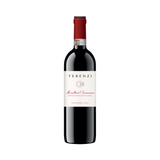
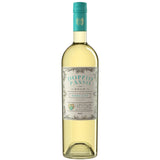
The best partner for the sweet-savoury soy dishes is the Morellino di Scansano from Maremma in Tuscany. Born from the Sangiovese grape, its bright cherry fruit and fresh acidity match the sweet-salty flavour of simmered dishes and chicken beautifully. Its gentle tannins do not overwhelm the delicate osechi. For dishes with fat and sweet-savoury seasoning, like teriyaki yellowtail and beef yahata-maki, reach for the Doppio Passo Primitivo from Puglia. Its sweet, ripe fruit resonates with the glaze of the mirin.
Step 4: sweet wine for the sweet celebration dishes
Osechi has many sweet celebration dishes: black beans, candied chestnut, datemaki rolled omelette, kinton. Pair a dry wine with these sweet dishes and the wine will taste sour and thin. Sweet things call for a slightly sweet wine. That is the basic rule.
The gently sweet, lightly sparkling Moscato d'Asti, or the easy-going Doppio Passo Moscato, are perfect for the refined sweetness of black beans and candied chestnut. Aromas of white peach and apricot settle softly onto the sticky sweetness of kinton and the fluffy sweetness of datemaki. They are low in alcohol (around 5 percent), so you can enjoy them slowly from the New Year afternoon. If the sweetness feels heavy, serve well chilled and the light bubbles and acidity rise, leaving a cleaner finish.
Osechi dish by dish, how to pair the wine (the heart of it)
Now for the real point. Here is a quick table of what wine goes with each classic osechi dish. Please use it as you open the tiers of the boxes.
| Osechi dish | Recommended wine | Note |
|---|---|---|
| Herring roe (kazunoko) | Prosecco (dry sparkling) | Bubbles and acidity refresh the popping texture and salt |
| Fish cake, red-white namasu | Prosecco Rosé / Soave | Pink bubbles or crisp white for the festive red-and-white |
| Candied sardines, burdock | Prosecco / Arneis | Bubbles or aromatic white lift the fragrance and faint bitterness |
| Kelp rolls, vinegared octopus | Soave / Pinot Grigio | Citrusy white sits neatly with dashi and acidity |
| Simmered dishes, chikuzen-ni | Morellino (light red) | Cherry fruit and acidity suit the sweet-savoury soy |
| Teriyaki yellowtail, yahata-maki | Primitivo (fruit-forward red) | Ripe mellow fruit echoes the fat and the mirin glaze |
| Black beans, chestnut, datemaki | Moscato d'Asti (sweet) | Sweet dishes call for a gently sweet, lightly sparkling wine |
The shortcut for pairing wine with osechi is, when in doubt, go sparkling. Within a single tier of boxes, osechi lines up completely different flavours at once: salty herring roe, sharp vinegared dishes, sweet-savoury simmered dishes, sweet candied chestnut. It is hard for one red or white to sit alongside all of them, but the fine prickle and fresh acidity of bubbles reset every flavour, so your chopsticks keep moving whatever the dish. After the New Year greetings over o-toso, switching to Prosecco from the second glass: this new New Year habit is growing year by year. The hours spent from midday, slowly, picking at osechi with family and tilting a glass, resemble Italy's long New Year table, somehow.
The thing to watch at New Year is the temperature of the wine. Chill the sparkling and white you pair with osechi well in the fridge (white to 8 to 10C, sparkling to 6 to 8C) and they lighten the salt and fat of the celebration dishes. Serve red a little cooler than winter room temperature, in the fridge for about 20 minutes before serving to 16 to 18C, and the fruit stands up to suit the sweet-savoury simmered dishes just right. Even without a wine cellar, this one chill is enough. New Year tends to invite drinking a bit much, so keeping one low-alcohol Moscato d'Asti on hand lets you enjoy it gently to the end.
Federico's picks: one bottle, two, or a full course for New Year
For anyone wondering "what should I pick to go with osechi?", here is how to choose by number of guests and how you will spend the day.
For a quiet New Year for two or a few, one sparkling and one sweet. Toast with the Prosecco Rosé and carry it from the celebration dishes through the simmered ones, and for the sweet dishes, the Moscato d'Asti. That alone brightens the New Year table.
For a New Year with family gathered, go sparkling, white, red and sweet along the flow. Prosecco Rosé for the toast, Farinaldo Soave for vinegared dishes and seafood, Morellino or Primitivo for simmered and grilled dishes, and Moscato d'Asti for the sweet dishes. Simply lay the flow of the wine over the flow of the osechi boxes.
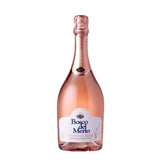
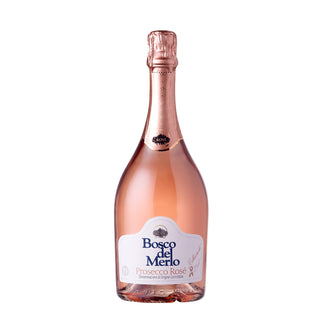
For the New Year toast and celebration dishes. A festive pink sparkler for red-and-white
Prosecco Rosé Millesimato 2024Bosco del Merlo
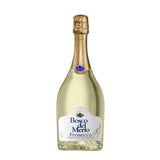
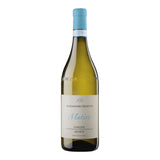
For herring roe and fish cake. A crisp dry sparkler
Prosecco Millesimato Brut 2024Bosco del Merlo
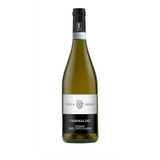
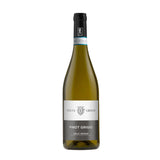
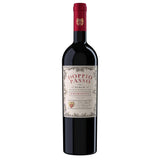
For teriyaki yellowtail and yahata-maki. A fruit-forward red
Doppio Passo Primitivo 2024Doppio Passo
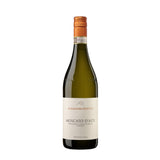
For black beans and candied chestnut. Gently sweet, lightly sparkling
Moscato d'Asti 2024Alessandro Rivetto
For the sweet celebration dishes. An easy-going sweet wine
Doppio Passo Moscato 2024Doppio Passo
Osechi wines you can drink at Swirl, at a glance
Here are the picks by step of the celebration dishes, with a guide price. Please check stock and the latest price on each product page.
| Step | Wine | Type | Price (incl. tax) |
|---|---|---|---|
| Toast and iwai-zakana | Prosecco Rosé Millesimato | Sparkling rosé | ¥3,700 |
| Toast and iwai-zakana | Prosecco Millesimato Brut | Sparkling (dry) | ¥3,300 |
| Seafood and vinegared | Farinaldo Soave | White (crisp) | ¥3,700 |
| Seafood and vinegared | Pinot Grigio | White (light) | ¥3,700 |
| Seafood and datemaki | Langhe Arneis | White (aromatic) | ¥4,500 |
| Simmered and grilled | Morellino di Scansano | Red (light, Sangiovese) | ¥3,850 |
| Simmered and grilled | Doppio Passo Primitivo | Red (fruit-forward) | ¥2,200 |
| Sweet celebration dishes | Moscato d'Asti | Sweet, lightly sparkling | ¥3,900 |
| Sweet celebration dishes | Doppio Passo Moscato | Sweet, lightly sparkling | ¥2,200 |
How to choose: by the occasion
If you are unsure, work backwards from how you will spend New Year and you will not go wrong.
- A quiet day for two or a few → sparkling (Prosecco Rosé) plus sweet (Moscato d'Asti), two bottles
- You just want one bottle → a well-chilled Prosecco, broad enough from the celebration dishes to the simmered ones
- You love simmered dishes and teriyaki yellowtail → a light Morellino, or a fruity Primitivo
- A lively New Year with family gathered → sparkling, white, red and sweet along the flow
- You look forward to black beans and candied chestnut → always a sweet wine for the sweet dishes
- You want to keep the drinking light → centre it on the low-alcohol Moscato d'Asti
For more detailed pairings by dish, see Wine with Japanese food and Food for Sparkling Wine, and for choosing sweet wines, How to choose sweet and lightly sparkling wines.
Frequently asked questions
Q. Does wine really go with osechi?
A. It goes very well. Sparkling in particular lightens the salt of herring roe, the fat of yellowtail, the spring of fish cake. White for vinegared dishes and seafood, a light red for simmered and grilled dishes, sweet wine for black beans and candied chestnut. Choose dish by dish and osechi and wine become a surprisingly good match.
Q. Does red wine not go with osechi?
A. A tannic, heavy red washes away the delicate flavours, but a light red with gentle tannins sits neatly with sweet-savoury dishes like simmered food and teriyaki yellowtail. The trick is to choose a fruit-forward red like Sangiovese or Primitivo.
Q. What wine goes with black beans and candied chestnut?
A. A gently sweet, lightly sparkling wine like Moscato d'Asti is ideal. For sweet celebration dishes, the rule is to match a slightly sweet wine. Pair a dry wine and the sweetness will make it taste sour.
Q. Which wine is good for the New Year toast?
A. A festive Prosecco Rosé, or a crisp dry Prosecco. Bubbles lift the celebratory New Year mood, and they are a broad-range bottle that sits with almost all the celebration dishes.
Q. What is the most common mistake?
A. Pairing a dry wine with the sweet celebration dishes. Remember: sweet dishes call for sweet wine. The other is serving sparkling or white while it is still lukewarm. Chill it well and the salt and fat of osechi become much lighter.
Osechi and wine do not need to be complicated. Follow the flow of the celebration dishes, start with bubbles, and finish with something sweet. Just adding one bottle of wine to your usual osechi brightens the New Year table and gets the family talking. Do give it a relaxed try this New Year.
Sources: for the Italian New Year's Eve (Capodanno) custom of cotechino and lentils (a lucky food), Transparent Language "Il cenone di Capodanno", Luca's Italy "What do Italians eat for New Year?", and All Things Sicilian and More "Italian New Year's Lentils".


Comments (0)
There are no comments for this article. Be the first one to leave a message!