

The best wine with oden is a light red with gentle tannins and fresh acidity. The umami of the dashi and the soft sweetness of the ingredients welcome a red that is low in tannin and clean in acidity. For lighter items like daikon and egg, a well-chilled white or sparkling works beautifully too.
"Wine does not go with oden" is just an assumption
Oden is Japanese dashi, wine is Western: they can seem not to match. But the key is umami. The umami in kombu and bonito dashi resonates naturally with the savory depth of wine. The only thing to avoid is a heavy, tannic red. Choose a light red or a chilled white and oden becomes a surprisingly happy partner for wine.
Know the axis for pairing
| Point | Guide |
|---|---|
| Body | Light to medium |
| Tannin | Keep it light |
| Acidity | Plenty, to meet the dashi |
| Serving temperature | Red lightly chilled 14 to 16C, white 6 to 9C |
By ingredient: one bottle for each
| Oden ingredient | Recommended style |
|---|---|
| Daikon, egg, hanpen (light items) | A well-chilled dry white, or a light sparkling |
| Chikuwa, satsuma-age (fish cakes) | A light red with acidity |
| Beef tendon, atsuage (richer items) | A fruit-forward medium red |
| With karashi mustard or miso sauce | A red with fruit and a hint of sweetness |
Style by region: Piedmont and its shared pot, bagna cauda
Barbera's home, Piedmont in northwestern Italy, has a winter classic called bagna cauda. It is known in Japan, but the local ritual is quite different. A hot sauce of anchovy, garlic, and olive oil is poured into a small terracotta pot called a fojot, kept warm over a candle flame, and set in the middle of the table. Everyone gathers around that single pot and dips vegetables into it, one after another. It is said to be a dish you never eat alone: sharing is its very essence. That warm pot at the center of a winter gathering looks exactly like oden. And the local wine for bagna cauda is a tangy Barbera. A warm pot and a light, lively red: the pairing does not change, in Piedmont or over oden.
How to enjoy it in Japan
Oden piping hot, wine cool: that gap in temperature is what makes it pleasant. Put the red in the fridge about 15 minutes before serving and pour it lightly chilled at 14 to 16C. The delicate umami of the dashi comes alive next to a light red. No wine cellar required. Chilled white for the light items, red for the richer ones, and a single pot gives you two pleasures.
Federico's picks
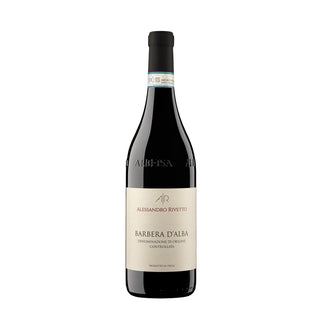
On a cold night with oden, what I most often pour is Alessandro Rivetto's Barbera d'Alba. A signature Piedmont red, bright and lively in acidity. It slips in beside chikuwa and satsuma-age fishcakes and the savory richness of beef tendon without letting tannin get in the way. For lighter items like daikon and egg, reach for a white from the same Piedmont, Langhe Arneis. And for richer oden with miso sauce or beef tendon, the fruit-filled Doppio Passo Primitivo is a fine match too.
FAQ
Q. Is red wine too heavy for oden?
A. A tannic red will feel heavy. Choose a red that is low in tannin with fresh acidity. Chill it slightly and it sits even more lightly beside the dashi.
Q. White or red, which is better?
A. It depends on the ingredient. Light items like daikon, egg, and hanpen love a chilled white; umami-rich items like fishcakes and beef tendon suit a light red.
Q. Is it fine with karashi mustard?
A. In small amounts, no problem. When the heat rises, a red with fruit and a touch of sweetness softens it.
Q. What is the common mistake?
A. Serving a tannic red at room temperature. The delicacy of the dashi loses to the tannin. A light red, lightly chilled: that alone transforms the match.
On a cold night of oden, add a light, lively glass. The gentleness of the dashi shines all the more.


Comments (0)
There are no comments for this article. Be the first one to leave a message!