

Emilia-Romagna wine refers to wines produced in Emilia-Romagna, Northern Italy's gastronomic heartland centered on Bologna, encompassing a remarkable range of native varieties — from the iconic sparkling red Lambrusco to Albana (the first white wine in Italy to receive DOCG status) and the Sangiovese of Romagna. Home to Parmigiano-Reggiano, Prosciutto di Parma, Modena's balsamic vinegar, and fresh egg pasta, this is the region where wine and gastronomy are most deeply intertwined.
The Common Misconception: Lambrusco Is Not a Sweet or Budget Wine
In the 1970s and 80s, the bulk of Lambrusco production was sweet and aimed at the export market, which shaped the "cheap sweet red" image that persists in Japan. Today's authentic Lambrusco DOC and DOCG wines are mostly dry (secco) or off-dry (amabile), with genuine complexity, structured fruit, and lively bubbles. They are worlds apart from mass-market sweetened versions, and the locals drink them year-round at the table.
Tasting Profile
Lambrusco reds are defined by deep red-berry fruit, high acidity, a fine prickle, and a characteristic earthy herbaceous lift. Romagna Sangiovese offers cherry and plum fruit, moderate tannins, and fresh acidity. Albana whites are bright and floral, with citrus aromas and bracing acidity.
| Attribute | Profile (Lambrusco Red) |
|---|---|
| Body | Light to medium |
| Acidity | High |
| Tannins | Light to moderate |
| Aromas | Blueberry, cherry, violet, fresh herbs |
| Serving temperature | 10–14°C (dry styles around 16°C) |
Styles by Zone and Local Food Culture
The region divides naturally into two parts. Emilia to the west (Parma, Modena, Bologna) is Lambrusco country, with several DOCGs including Lambrusco di Sorbara and Lambrusco Grasparossa di Castelvetro. Romagna to the east (Forlì, Rimini) is home to Sangiovese and Albana — and it was here that "Romagna Albana" received Italy's first ever white DOCG classification in 1987.
| Zone | Key Varieties | Style |
|---|---|---|
| Emilia (Parma, Modena area) | Lambrusco (red, rosé) | Sparkling, fresh to dry |
| Romagna (Forlì, Rimini area) | Sangiovese, Albana | Still, fruit-forward |
In the winery, Lambrusco is produced via the Charmat method (second fermentation in tank, preserving fresh fruit) or the ancestral method (in-bottle fermentation). Romagna Sangiovese typically sees a few months in neutral tanks, resulting in a lighter, more fruit-driven style than its Tuscan cousin.
Here is a piece of Emilia-Romagna wine history that surprises many: the 1987 recognition of "Romagna Albana DOCG" was a watershed moment for Italian white wine. At the time, white wines were valued far below reds, and much of the academic world considered the designation premature. Amid the debate, a legend circulated: that in the 5th century, the empress Galla Placidia declared she wanted to drink Albana "all the way to the golden barrel." Whether true or not, the story is still told today as a symbol of Albana's enduring prestige, and the 1987 designation remains a landmark for Italian white wine.
Enjoying Emilia-Romagna Wines in Japan
Lambrusco's bubbles and acidity work brilliantly alongside rich, fatty foods — much the way Italian locals drink it with mortadella, pizza, and Parmigiano. In Japan, it pairs naturally with offal dishes like motsu nabe and gyutan, where the effervescence and acidity cut through the fat cleanly. As a practical tip: refrigerate Lambrusco for about an hour before opening to bring out its aromatics. Even a dry-style Lambrusco can be served properly cold — that's the Emilia-Romagna way, and it works beautifully in the Japanese summer.
Federico's Pick: SWIRL's Recommended Bottle
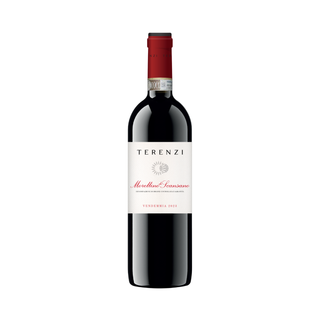
For those wanting to experience the elegance of Sangiovese — the signature grape of Romagna — I often recommend Morellino di Scansano from the Maremma in Tuscany. Morellino is made from the same great Sangiovese family and shares the lively fruit, medium body, and food-friendly acidity that Romagna Sangiovese is known for — an ideal window into what this noble variety achieves across Central Italy.
How to Choose, Serve, and Pair Emilia-Romagna Wines
When choosing Lambrusco, first check the sweetness level: "Secco" (dry) is what you want for a food-friendly, serious wine. Look for deep ruby color and an assertive aroma. DOCG designations like "Lambrusco di Sorbara" or "Lambrusco Grasparossa di Castelvetro" indicate higher quality. Lambrusco is a unique category — unlike Prosecco (white) or other sparkling wines, and unlike still Sangiovese. For related reading, see the Veneto Wine Guide and Tuscany Wine Guide.
FAQ
Q. Is dry or sweet Lambrusco the authentic style?
A. Dry (Secco) and off-dry (Amabile) are what the locals drink. The sweet style was developed for export markets and does not represent the regional tradition.
Q. What foods pair with Albana white?
A. It's a dry white with high acidity and works well with seafood pasta, clam-based dishes, and lighter fish preparations — a classic pairing in the coastal towns of Romagna.
Q. How does Romagna Sangiovese differ from Tuscan Sangiovese?
A. Romagna's version tends to have higher acidity and a lighter, more straightforward fruit profile. It's an approachable, everyday drinking style with less extraction than Chianti Classico or Brunello.
Q. Is Lambrusco available in Japan?
A. It's becoming more visible in major supermarkets and Italian restaurants. Authentic dry-style Lambrusco is rarer, but it's a rewarding discovery for sparkling red wine lovers.
Q. What unique products come from Emilia-Romagna?
A. Parmigiano-Reggiano, Prosciutto di Parma, Modena's Aceto Balsamico Tradizionale, and Bologna's tagliatelle al ragù. Lambrusco paired with mortadella or tiramisu is a local classic.
From the sparkling red that fills every festive table to Albana — the white wine that earned Italy's first DOCG classification — Emilia-Romagna deserves far more attention than it gets. Pour yourself a glass and find out why.


Comments (0)
There are no comments for this article. Be the first one to leave a message!