

The best wines for fugu (Japanese pufferfish) are crisp, dry whites with a mineral edge, and fine-bubbled sparkling wines. Fugu looks lean and mild, but its real character is a subtle umami that grows as you chew, set against the sharp ponzu and grated daikon with chili (momiji-oroshi) that star alongside it. To support that delicacy without covering it, you want a high-acid white with restrained fruit, or a sparkling wine whose bubbles reset the palate.
I am Italian, I import Italian wine in Tokyo, and I pour it for guests almost every day. As winter approaches, people often ask me whether wine really goes with fugu. The answer is a clear yes. And the ideal bottle changes with the dish: tessa (fugu sashimi), tecchiri (fugu hot pot), karaage (fried fugu) and shirako (milt). In this guide I break fugu down dish by dish and name exactly which wine from the Swirl cellar fits each one. From Toku-fugu Day on October 29 through early spring, it is a way to make winter's treat even more fun.
A common misconception: fugu is mild, so anything goes?
The most common misconception is that because fugu tastes mild, any wine will do. The truth is the opposite: precisely because it is delicate, it is particular about wine. Pair it with a rich, heavily oaked white, or a heavy red with firm tannin (the drying grip), and the wine's flavor flattens fugu's refined umami and can even draw out the metallic, fishy aftertaste.
A second misconception is that only hire-zake (hot sake with grilled fin) belongs with fugu. The toasty aroma of hire-zake is wonderful, of course, but the ponzu on tessa and the oil on fried fugu are actually met more cleanly by a wine's acidity or bubbles. Do not file fugu away as belonging only to the world of sake: add a dry white and a sparkling to your options, and the table opens up.
Fugu season and Toku-fugu Day
Fugu is in season from autumn through winter. October 29 is Toku-fugu Day, a date set by the Shimonoseki Fuku Federation on a pun (fu = 2, ku = 9). In Shimonoseki, for good luck, people call fugu fuku, which also means fortune. From this day the best season for sashimi and hot pot begins, and fugu is a fixture of year-end and New Year feasts. The king of fugu is torafugu (tiger pufferfish): its firm texture and refined umami are exactly what make choosing a delicate wine so rewarding. All winter you can keep the same fish, change the dish, change the wine, and enjoy many combinations.
Why white and sparkling: the thinking behind the pairing
What fugu dishes share is a delicate umami, a light fat, and the presence of supporting players such as ponzu and oil. There are three things to ask of the wine. First, firm acidity to refresh the palate. Second, a clean flavor with no excess oak or sweetness, so it does not disturb the umami. Third, for oilier dishes such as karaage and shirako, the power of bubbles to cut the finish. Dry whites with a mineral edge, and dry sparkling wines, meet all three.
| Character of the fugu dish | What you want in the wine |
|---|---|
| Delicate umami (tessa, shirako) | High acidity, mineral feel, a clean unoaked white |
| Acidity and heat of ponzu and momiji-oroshi | Crisp acidity, a citrus note |
| Fried food and fat (karaage, shirako) | Fine bubbles, firm acidity |
| Warmth of dashi (tecchiri) | A light, gentle white, soft bubbles |
High-acid mineral whites like Soave or Arneis
A light white, or gentle bubbles
Dry sparkling such as Prosecco
A fuller white, rosé fizz
How origin changes a white: which white to choose
Even within dry white, character varies by region. What suits fugu is the type grown in a cool climate, where acidity and a mineral feel stay clean. Italy has many whites that fit this bill perfectly.
| Type | Grape and origin | With fugu |
|---|---|---|
| Mineral dry white | Garganega (Soave, Veneto) | Tessa and shirako. A saline-tinged finish |
| Aromatic dry white | Arneis (Piedmont) | Sashimi and grilled fugu. White flowers and pear |
| Coastal white | Vermentino (Maremma, Tuscany) | Grilled fugu and ponzu. A faint salinity |
| Dry sparkling | Prosecco (Veneto) | Karaage and the start of a hot pot. Bubbles cut the oil |
The wine I most often recommend with fugu is Soave from the Veneto. Born from the Garganega grape, this white offers aromas of lemon and almond and a faint salinity that recalls the sea. It suits delicate white fish, settling in happily with both tessa and shirako.
Here is one note on Veneto food culture. In Vicenza, a town near Soave, there is a local dish called baccalà alla vicentina. Stockfish (dried cod) is simmered slowly in milk and olive oil and eaten with polenta (a cornmeal porridge), and locals have even founded a brotherhood (a confraternita) to protect the recipe. What the people there drink with this cod dish is exactly the local dry white. The Veneto instinct, to pair delicate white fish with an unoaked, high-acid white, carries straight over to fugu. It is a combination almost unknown in Japan, yet it is the very reason fugu and Italian white wine get along.
Fugu dish by dish: how to pair the wine
Now for the heart of it. Here is each type of fugu dish, the bottle that fits, and why.
Tessa (fugu sashimi)
Thinly sliced tessa is traditionally eaten with ponzu, momiji-oroshi and thin spring onion. The stars are the texture of the fugu and the acidity of the ponzu. You want a high-acid, mineral dry white like Soave or Arneis. The wine's acidity lines up in the same direction as the ponzu, and gently cushions the heat of the momiji-oroshi. Do not over-chill: around 8 to 10°C brings out the best balance of aroma and acidity.
Tecchiri and fuguchiri (fugu hot pot)
Tecchiri, in which fugu and vegetables simmer in kombu dashi, is a dish of gentle umami. It needs no powerful wine. Reach for a light dry white or a gentle sparkling. Take a little fizz along with the steam of the pot and the palate goes clean and light, so the next bite tempts you again. You can see it happily through to the closing rice porridge on a single bottle.
Fried fugu (karaage)
Bone-in fugu fried as karaage is juicy, with a little fat. This is where sparkling steps in. Prosecco's fine bubbles cut the oil in the batter and lift the just-fried fragrance. Like a squeeze of lemon, the bubbles reset the palate. Bubbles instead of beer, if you like.
Shirako (milt)
Rich, creamy shirako is one of the more indulgent plates in fugu cooking. For grilled shirako or shirako in ponzu, a fuller dry white or a rosé sparkling works well. When the acidity of the bubbles meets the creaminess of the shirako, the weight unwinds and turns light. A white served a touch warmer (10 to 12°C) lets the wine's roundness settle alongside the richness.
Grilled fugu and getting along with hire-zake
The toasty note of grilled fugu loves a saline white like Vermentino. When hire-zake (hot sake with a grilled fin) arrives, do not force the wine to compete: enjoy the hire-zake for itself, and return to the wine for the sashimi and the karaage. Sake and wine both shine when you divide their roles by dish.
| Fugu dish | Recommended wine | Why it works |
|---|---|---|
| Tessa (sashimi) | Soave, Langhe Arneis | High-acid minerality echoes the ponzu, keeps the delicacy |
| Tecchiri (hot pot) | A light white, Prosecco | Settles with the dashi umami, light to the finish |
| Karaage | Prosecco Millesimato | Bubbles cut the oil and lift the just-fried flavor |
| Shirako | A fuller white, Prosecco Rosé | The bubbles' acidity unwinds the richness |
| Grilled fugu | Vermentino (Balbino) | Salinity and the toasty note resonate |
One tip for home. You do not need a wine cellar. Whites and sparkling are well chilled in the fridge, so take the bottle out 5 to 10 minutes before pouring to let the temperature come up a little. Ice-cold, both aroma and acidity close down and that precious mineral feel hides away. Stand the bottle in a bowl of iced water and you can hold the right temperature while you gather around the pot.
Federico's picks: a bottle for fugu from Swirl
Here are the wines in the Swirl cellar, available now, that suit fugu. Each is stock-checked, and each is one I pour often.
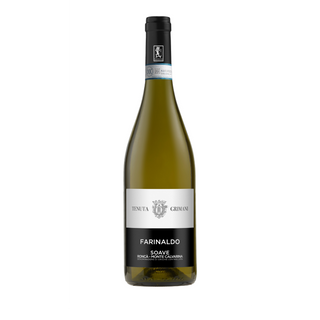
If you choose one bottle, make it Farinaldo Soave from Tenuta Grimani in the Veneto. A dry white of 100% Garganega, with salinity and almond, it slips naturally alongside both tessa and shirako.
In Italy there is no rule that it has to be a prestige sparkling like Champagne. For an everyday table, an affordable Prosecco is plenty. In fact, a delicate dish like fugu often pairs better with an unpretentious bottle.
Fugu-friendly wines you can drink at Swirl
By dish type, here are the wines available now at Swirl. You can check live stock and price on each product page.
| Type | Wine | Best dishes |
|---|---|---|
| Mineral dry white | Farinaldo Soave | Tessa, shirako |
| Aromatic white | Langhe Arneis | Tessa, grilled fugu |
| Coastal white | Balbino (Vermentino) | Grilled fugu, ponzu |
| Organic white | Inzolia | Lighter sashimi |
| Dry sparkling | Prosecco Millesimato Brut | Karaage, tecchiri |
| Rosé sparkling | Prosecco Rosé Millesimato | Shirako, celebrations |
| Dry rosé | Pinot Grigio Rosé | Karaage, hot pot |
How to choose: start from the fugu dish
If in doubt, work backward from what you are eating.
- Tessa (sashimi) is the centerpiece, choose Soave or Arneis, a high-acid mineral white
- Tecchiri (hot pot) is the centerpiece, choose a light white or a gentle Prosecco
- There is karaage or other fried food, go straight to Prosecco, bubbles cut the oil
- A rich plate like shirako, choose a fuller white or Prosecco Rosé
- Grilled fugu eaten with salt, choose Vermentino (Balbino)
Serving temperatures: around 8 to 10°C for whites, 6 to 8°C for sparkling. With delicate fugu, not over-chilling is the single most important tip. The same thinking applies to white-fish sashimi in general and to a sea bream or flounder carpaccio. For more on seafood, see wine with oysters and, for white wine in general, food to pair with white wine.
Frequently asked questions
Q. Does wine really go with fugu?
A. Yes. Delicate fugu pairs well with an unoaked dry white or a fine-bubbled sparkling. The keys are acidity and a mineral feel, and not over-chilling.
Q. Does red wine not suit fugu?
A. As a rule, no. The tannin (the drying grip) and strong fruit cover fugu's refined umami and tend to draw out a metallic, fishy aftertaste. On a day you want red, enjoy it with a separate meat dish instead.
Q. Which white suits tessa (sashimi)?
A. A high-acid, mineral dry white such as Soave from the Veneto or Arneis from Piedmont. The acidity of the ponzu and of the wine line up in the same direction.
Q. What goes with fried fugu (karaage)?
A. A dry sparkling, especially Prosecco. The bubbles cut the oil in the batter and lift the just-fried fragrance.
Q. What is the common mistake?
A. Thinking that because it is mild, anything goes, and pairing a heavily oaked white or a heavy red. Because fugu is delicate, a clean white or sparkling with acidity is what makes its umami shine.
From Toku-fugu Day through early spring, let one bottle of wine make winter fugu even more enjoyable. Do give it a try at the table.
References: Toku-fugu Day (October 29, Shimonoseki Fuku Federation), fugu season (autumn to winter, Yamaguchi and Shimonoseki tourism material), baccalà alla vicentina and Veneto food culture (Venerabile Confraternita del Bacalà alla Vicentina).


Comments (0)
There are no comments for this article. Be the first one to leave a message!