

The best wine for gibier (game meat) is a red with enough fruit to meet the meat's power and wild character, firm acidity, and moderate tannin. Venison, wild boar and duck come into season from autumn through winter, and they carry more aroma, more iron and more distinctive fat than farmed beef or pork. When guests in Tokyo order game, the first wine I (Federico) reach for is Sangiovese from Maremma in Tuscany.
A common misconception: game does not mean the heaviest red possible
Game tempts you toward a big, heavy red, but what matters is less the weight of the body than the balance of flavor intensity and acidity. Match fruit to the fat and umami, and match acidity to the iron and gaminess, and both the dish and the wine come alive. Even within game, wild boar wants a richer red while duck wants something lighter. A wine that is all tannin can clash with iron-rich game and taste metallic, so take care there.
The taste profile that suits game
Use this red-wine profile as a guide.
| Element | Tendency |
|---|---|
| Body | Medium to full (match the strength of the dish) |
| Acidity | Firm (cuts the fat and iron) |
| Tannin | Moderate (binds with the meat's protein) |
| Aroma | Red fruit, dried herbs, spice, leather |
| Serving temperature | 16 to 18C |
How style changes by region
| Region / grape | Style and the game it suits |
|---|---|
| Tuscany / Sangiovese | Red fruit and lifting acidity. The classic for wild boar and venison |
| Puglia / Primitivo | Ripe fruit and sweet aromatics. For richly seasoned stews and miso-based dishes |
| Piedmont / Nebbiolo, Barbera | Aromatic and acid-driven. For duck and lighter game |
| New World / Pinot Noir | Soft and light. For duck and carefully prepared game |
In Tuscany there is a dish called cinghiale in dolceforte (sweet-strong wild boar), in which boar is simmered slowly with dark chocolate, pine nuts, sultanas, red wine and a little vinegar. It is a sweet-and-sour boar preparation handed down since around the 16th century in the Renaissance, and it is almost unknown in Japan. Locally, that rich plate is matched with a young Sangiovese full of fruit and acidity (Morellino di Scansano). The acidity cuts straight through the sweet sauce, leaving only the savor of the boar.
How to enjoy it in Japan
The same thinking applies directly to Japanese game dishes.
Roast or seared venison: lean and iron-rich but low in fat. Sangiovese's acidity and red fruit sit beautifully alongside.
Botan-nabe wild boar hot pot (miso base): for the sweet-savory miso, the sweet ripe fruit of a Primitivo. Serve at 16 to 18C, not too cold.
Duck breast or duck seiro soba: for delicate duck, a light Pinot Noir or Barbera. Aroma and acidity rather than a tannic red.
Game braised in red wine: pour the same style of red you cooked with and you will not go wrong.
People often ask whether game smells too strong. With careful preparation and a red with good acidity, that gaminess turns into savor. On a hot day, chilling even a red for just 10 minutes pulls its aromas together.
Federico's picks
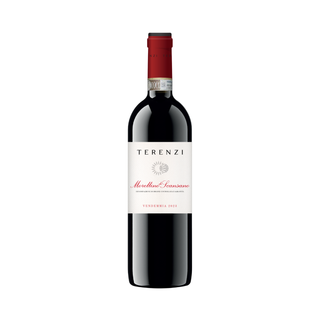
The wine I most often pour with game is Maremma Sangiovese, Morellino di Scansano. Its red fruit and supple acidity suit venison and wild boar across the board. For richly seasoned stews and botan-nabe, reach for the ripe fruit of Doppio Passo Primitivo. For delicate duck, the light Petaluma Gap Pinot Noir is a lovely companion. All three are in stock right now.
Choosing, serving, and similar grapes
Choose by the strength of the meat and the seasoning. For lean, lighter venison or duck, a light-to-medium red with acidity; for fatty, savory boar or braises, a red with richer fruit. Serve at 16 to 18C, and drop it slightly lower when the tannin stands out, to soften the edges. Sangiovese offers acidity and easy compatibility with food, Primitivo offers depth of fruit, and Nebbiolo offers aroma and a long finish, so choosing by the richness of the dish keeps it simple. To pair by cooking method and sauce, see wine pairings for steak; for more autumn flavors, wine pairings for mushroom dishes; and to learn the region, the Maremma wine guide.
FAQ
Q. If I choose just one wine for my first game dish, what should it be?
A. Maremma Sangiovese is the all-rounder. It will not miss badly with venison, boar or duck.
Q. Does white wine ever work?
A. With sauteed duck or a white sauce, an oaked white or a dry rosé can work. For lean game overall, though, red is the safe choice.
Q. Is a heavy red too much for duck?
A. Duck is surprisingly delicate, so a light red like Pinot Noir or Barbera brings it out better than a full-bodied, tannic wine.
Q. What is the most common mistake?
A. Matching a young red that is all tannin with iron-rich game. It leaves a metallic aftertaste. Choose a red with moderate tannin and good acidity.
Q. What budget should I plan for?
A. For game at home, you can enjoy plenty from around 3,000 yen. For a special occasion, step up a notch. Find your favorite for the autumn and winter table.


Comments (0)
There are no comments for this article. Be the first one to leave a message!