

The best wine for chestnuts and Mont Blanc is a sweet, gently sparkling white like Moscato d'Asti. The sweetness and toastiness of chestnut, and the rich cream of a Mont Blanc, are met beautifully by a bottle with a matching sweetness and a soft fizz. As a wine importer who has been pairing wine with autumn chestnut sweets here in Tokyo, let me share how to choose without going wrong.
A common myth: pairing a dry wine with a sweet dessert
The most common mistake when matching wine to a chestnut sweet is simply reaching for whatever dry white or red is on hand. A wine less sweet than the dessert suddenly tastes sour and thin. The rule for dessert pairing is to choose a wine at least as sweet as the dish. There is a second myth too: that sweet wine is heavy and cloying. Moscato d'Asti is light, at around five percent alcohol, with a gentle fizz and lively acidity, so even after the rich sweetness of chestnut, the finish is surprisingly light.
A quick chart: choosing by how the chestnuts are served
Chestnuts range widely in sweetness and richness, from roasted chestnuts to Mont Blanc. Use this chart as your starting point.
| How the chestnuts are served | Wine to reach for | Why |
|---|---|---|
| Sweet or roasted chestnuts | Moscato d'Asti | The floral Muscat aromatics echo the toasty chestnut |
| Candied chestnuts (shibukawa-ni), kuri-kinton | A gentle sweet white | A light sweetness and soft fizz meet their refined sweetness |
| Mont Blanc | Moscato d'Asti | The fizz lightens the cream and lifts the chestnut note |
| Marron glace | A sweet white, or a passito for richer ones | Concentrated sweetness calls for a properly sweet bottle |
| Chestnut rice (savory) | An aromatic dry white | Salt and fluffy texture suit an aromatic dry white |
Why Moscato d'Asti, and Piedmont
For chestnut sweets, the bottle I most often pour is Moscato d'Asti from Asti in Piedmont. Made from Moscato Bianco (a Muscat variety), it has a sweet aroma of white peach, orange blossom, and musk. By chilling the fermentation to stop it partway, the wine keeps the grape's natural sweetness, a light five-percent alcohol, and a fine, gentle fizz (frizzante). That light sweetness and soft fizz are exactly why it can wrap around the rich sweetness of chestnut and the cream of a Mont Blanc, and then pull away cleanly at the end.
Enjoying it in Japan, and Piedmont, birthplace of marron glace
Autumn in Japan is truly the season of the chestnut. Sweet chestnuts, the queues at Mont Blanc specialty shops, kuri-kinton, and convenience-store marron sweets: chestnut confections are everywhere. For these sweet chestnuts, pour a chilled Moscato d'Asti in a small glass. It works as an after-dinner dessert wine or as a glass to enjoy in place of tea. Chill it well (6 to 8 degrees) and the fizz and aromas come alive.
By the way, if you trace the roots of Mont Blanc and marron glace, you arrive at the very same Piedmont that gives us Moscato d'Asti. Marron glace (chestnuts candied in sugar) is said to have been born from the large, sweet chestnuts of the Cuneo area in Piedmont, and its origin is traditionally attributed to a chef of Duke Carlo Emanuele I of Savoy. The technique of simmering chestnuts in sugar is recorded in the confectioners' treatise "Confetturiere Piemontese" (the Piedmontese confectioner), printed in Turin in 1790, and by the 18th century it had charmed the courts of Europe. The chestnut (marrone) of Cuneo is still a signature taste of autumn. Pairing the sweet chestnuts and the Moscato d'Asti that the same land produces is, in fact, a match that makes perfect sense.
Federico's picks
Two bottles I reach for with autumn chestnuts.
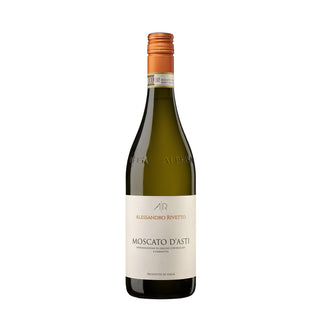
Start here: the Moscato d'Asti from Asti in Piedmont. Its floral Muscat aroma and gentle fizz wrap perfectly around the sweetness of a Mont Blanc or roasted chestnuts (the buy card appears below).
For something more casual: the Sicilian Doppio Passo Moscato is a fruity, easygoing sweet white, a fine companion for everyday chestnut sweets.
Tips on choosing and serving
- Temperature: chill to 6 to 8 degrees so the sweetness stays crisp and the fizz stays lively.
- Glass: a small glass, a little at a time. The alcohol is light, so it never feels heavy alongside dessert.
- Similar styles: if you enjoy a sweet, gentle fizz, see our grape guide to Moscato and our guide to choosing sweet and lightly sparkling wines.
For the Piedmont region as a whole, see What is Piedmont Wine.
Frequently asked questions
Q. Does red wine go with Mont Blanc?
A. A tannic dry red tends to clash with the delicate sweetness of chestnut. If you must have red, a sweet lightly sparkling red (such as Brachetto d'Acqui) is more suitable, but start with a sweet white sparkling.
Q. Isn't Moscato d'Asti too sweet?
A. It is not as heavy as the name suggests. The alcohol is light and the acidity is alive, so the finish is actually refreshing. It is a bottle I would recommend even to those who do not usually love sweet things.
Q. What is the common mistake?
A. Pairing a wine less sweet than the dessert. The wine tastes sour and the chestnut's sweetness does not shine. Choose one as sweet as, or sweeter than, the sweet, and you will not go wrong.
Q. What about savory chestnut dishes like chestnut rice?
A. In that case, rather than a sweet wine, an aromatic dry white pairs well. It settles gently against the fluffy, nutty flavor of the chestnut.
It is the season when chestnuts take the lead, so enjoy your marron moments with a favorite bottle. I am always happy to help.


Comments (0)
There are no comments for this article. Be the first one to leave a message!