

Napa Valley is one of the world's most prestigious wine regions, located in California, USA, and renowned for its powerful red wines centered on Cabernet Sauvignon. It rocketed to global fame in 1976 when its wines defeated top French estates at the "Judgment of Paris" blind tasting, and today it remains synonymous with premium California wine. While the impression of sky-high prices often precedes the reality, you can actually enjoy an authentic Napa AVA Cabernet starting from around ¥6,000.
First Time with Napa Wine: Choose in 3 Steps
If you're trying Napa wine for the first time, just decide these three things and you won't go wrong.
| Step | What to Decide | Hint |
|---|---|---|
| 1. Grape | Red (Cabernet / Merlot) or white (Chardonnay)? | Red for meat dishes, white for seafood and Japanese cuisine |
| 2. Budget | ¥6,000 to ¥15,000 is Napa's sweet spot | For beginners, a Merlot-based blend is the most approachable |
| 3. Occasion | Everyday or a gift / celebration? | For gifts, Cabernet best conveys the "Napa experience" |
Common Misconception: "Napa Wine Is Too Expensive"
It's only natural that many people think "Napa Valley means ultra-premium wine." True, wines like Opus One and Harlan can cost tens of thousands of yen. However, Napa is also home to many producers who maintain exceptional quality at accessible price points. The key is understanding which AVA (American Viticultural Area) and grape variety a wine comes from. With that knowledge, Napa's appeal extends far beyond special occasions.
Napa Valley's Key Grape Varieties
| Variety | Characteristics |
|---|---|
| Cabernet Sauvignon | Napa's king. Cassis, black cherry, tobacco, spice. Full-bodied with long aging potential |
| Merlot | Softer and more approachable. Plum and chocolate nuances |
| Chardonnay | The white flagship. Butter, toast, ripe pear. Rich style from barrel aging |
| Zinfandel | California's signature personality. Jammy fruit, spice, high alcohol |
| Sauvignon Blanc | Fresh and herbaceous. Also known as Fume Blanc |
Styles by Region (AVA)
| Zone (AVA) | Characteristics |
|---|---|
| Oakville | Napa's golden zone. Home of Opus One and Robert Mondavi. Dense and powerful |
| Rutherford | Known for the distinctive "Rutherford Dust," a signature earthy nuance |
| Stags Leap | The Cabernet that won the 1976 Judgment of Paris. Silky tannins |
| Howell Mountain | High-elevation AVA. Firm tannins with excellent aging potential |
| Carneros | Cool southern zone. Excels with Pinot Noir and Chardonnay |
Enjoying Napa Wine in Japan
Napa Cabernet Sauvignon pairs exceptionally with wagyu sirloin, beef tongue, bone-in lamb, and smoked dishes. Serve at 16 to 18°C. If it has been refrigerated, take it out at least one hour in advance. Decanting (pouring the wine into a separate vessel to expose it to air) softens the tannins and opens up the aromas further.
Napa Chardonnay also pairs beautifully with Japanese cuisine: butter soy sauce dishes, salt-grilled shrimp, and saikyo-zuke (sweet miso-marinated white fish) show wonderful balance (chill to 8 to 10°C).
What moves me every time I visit Napa is the tradition of the "Blessing of the Grapes." At the start of harvest season, established wineries such as Grgich Hills Estate invite a priest to bless the grape harvest. This custom was brought to Napa from European rural culture by Croatian-born winemaker Mike Grgich, and it continues today as a heartfelt occasion of gratitude and hope for a bountiful harvest. Seeing this ceremony carried on year after year, even in an age of mechanization, reminds me of the depth of care Napa's producers pour into their wines.
Federico's Picks
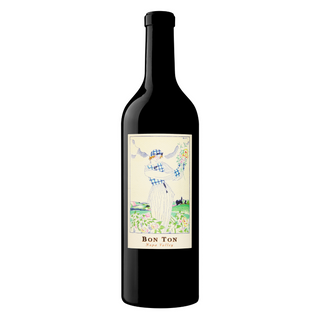
Among the Napa wines we carry at Swirl, one I find myself recommending most often is Crosby Roamann's Napa Valley Bon Ton Red. A Merlot-based blend, it harmonizes cherry, dried fruit, oak, and smoky tobacco beautifully. It has Napa's power while remaining approachable and ready to enjoy now.

For white wine lovers, our Napa Valley Chardonnay is hand-picked before dawn and aged 18 months in French oak barrels. A medium-bodied wine with genuine depth.

Choosing and Serving Guide
When selecting a Napa wine, start by deciding on grape variety (Cabernet, Merlot, or Chardonnay) and price range, then narrow down by AVA. Serve reds at 16 to 18°C and whites at 8 to 10°C. Young Cabernets benefit from decanting. Related article: What Is California Wine?
Napa Wine by Budget
Napa wine has a reputation for being "too expensive," but there are appropriate options at every budget level.
| Budget Range | Style and Characteristics | Recommended For |
|---|---|---|
| ¥3,000 to ¥6,000 | California-origin (outside Napa AVA). Fruit-forward and approachable. Great for everyday drinking. | Napa beginners / everyday |
| ¥6,000 to ¥15,000 | Napa Valley AVA Cabernet. Quality at its finest. Swirl's Bon Ton Red (¥8,250) sits in this zone. | Gifts / celebrations |
| ¥15,000 to ¥50,000 | Premium AVAs (Stags Leap, Oakville, etc.). Serious wines with 5 to 15 years of aging potential. | Collectors / connoisseurs |
| ¥50,000+ | Cult wines (Opus One, Harlan, etc.). Rare and hard to acquire. | Special collections |
Frequently Asked Questions
Q. What is the "Judgment of Paris"?
A. A legendary 1976 blind tasting held in Paris, where Napa Cabernet Sauvignon and Chardonnay defeated France's Grand Cru wines. This event catapulted Napa onto the world stage.
Q. What's the difference between Napa and Sonoma?
A. Napa is famous for powerful, Cabernet-dominated wines. Sonoma is more diverse, producing a range of styles including Pinot Noir, Chardonnay, and Zinfandel. Sonoma also tends to have more cool-climate areas.
Q. When is a Napa Cabernet ready to drink?
A. Entry-level wines can be enjoyed upon purchase, but premium wines develop greater complexity with 5 to 15 years of aging. Decanting helps young wines open up.
Q. Is decanting necessary?
A. It's very effective for young, powerful reds. Just 30 to 60 minutes of air exposure softens the tannins and enriches the aromas.
Q. Are there famous Napa wines besides Opus One?
A. Yes: Harlan Estate, Screaming Eagle, and Dalla Valle are all collector favorites. Producers like Crosby Roamann, carried by Swirl, are also gaining recognition for delivering Napa quality at more accessible prices.
Q. What price point can I start enjoying Napa wine?
A. California wines start from around ¥3,000 to ¥5,000 for fruit-forward, approachable options. For a true Napa Valley AVA Cabernet, budget from ¥6,000 upward. Swirl's Bon Ton Red (¥8,250) is a great example of Napa quality at a reasonable price.


Comments (0)
There are no comments for this article. Be the first one to leave a message!