

Sicilian wine is wine made on the largest island in the Mediterranean — a sun-drenched place where native grape varieties like Nero d'Avola, Inzolia, and Grillo produce wines of striking concentration and personality. As an Italian wine importer, the first time I seriously engaged with Sicilian wine I was struck by the balance between power and finesse — something I hadn't expected from a region long dismissed as a bulk producer. Here's the full picture.
The Common Misconception: Is Sicily Just About Heavy, Dark Reds?
Until the 1980s, Sicily exported most of its wine in bulk — shipped in tank trucks to northern Italy and France to beef up thin, pale wines. Before the quality revolution, the island's output was almost never bottled under its own name. Then in the 1980s and 90s, producers like Planeta and Donnafugata began bottling their own DOC wines, and Sicily transformed from "Italy's wine factory" into one of the country's most talked-about regions. Today's Sicilian wines combine richness with refinement.
Tasting Profile
| Characteristic | Red (Nero d'Avola) | White (Inzolia / Grillo) |
|---|---|---|
| Body | Medium to full | Light to medium |
| Acidity | Moderate | Fresh, slightly higher |
| Tannin | Smooth, ripe | None |
| Aromas | Dark cherry, plum, spice, chocolate | Citrus, peach, floral, sea salt minerality |
| Serving temperature | 15–17°C | 8–10°C |
Style Varies by Zone
| Area | Character | Key Varieties |
|---|---|---|
| West (Trapani / Marsala) | Warm and dry, generous and round | Grillo, Inzolia, Catarratto |
| East (Siracusa / Ragusa) | Cerasuolo di Vittoria DOCG, elegant reds | Nero d'Avola, Frappato |
| Mt. Etna | High altitude, volcanic soil, mineral-driven and acidic | Nerello Mascalese, Carricante |
| Pantelleria Island | Near-desert climate, world-class sweet wine | Zibibbo (Muscat of Alexandria) |
On the winemaking side, modern Sicilian producers skillfully alternate between early harvesting for freshness and extended hang time for concentration. Whites are typically cold-fermented in stainless steel to maximize aromatic intensity. Reds are aged in French barriques or large Slavonian oak botti to integrate fruit and tannin — a style that has become the island's calling card.
Why Sicilian Wine Works So Well at the Japanese Table
Sicily has a food culture built around fresh seafood, olive oil, tomatoes, and capers — ingredients prepared simply to let their quality shine. That instinct — letting the ingredient speak — is remarkably close to the philosophy behind Japanese washoku. Sicilian dry whites (Inzolia, Grillo) are superb with sashimi, salt-grilled white fish, and carpaccio; their sea-mineral character and citrus acidity lift the umami of the fish without overpowering it. Nero d'Avola works beautifully with yakitori tare, pork kakuni, and sweet-savory simmered dishes — the ripe fruit harmonizes with the caramelized soy-mirin glaze.
In summer, try Sicilian white chilled to 8°C as an aperitif. The citrus aroma and bright acidity are appetite-stimulating and feel perfectly at home at a Japanese dinner table.
Federico's Recommendations
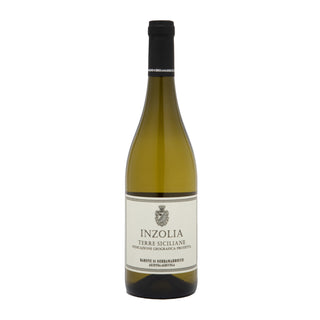
My gateway recommendation for Sicilian white is the Inzolia — Sicily's native white grape, light-bodied with juicy citrus and a saline finish. It moves easily from raw fish to light stir-fries.
For Sicilian white, the Grillo del Barone is also in our range — Grillo is one of Sicily's signature whites, with a beautiful balance of minerality and fruit. It pairs well with grilled fish, tempura, and steamed chicken.
How to Choose and What Temperature to Serve
When choosing Sicilian wine, start with red or white based on the dish, then match body weight to the intensity of the food. For whites, the three main varieties are Inzolia, Grillo, and Catarratto. For reds, Nero d'Avola is the most recognized and the easiest entry point. For comparison: Nero d'Avola and Primitivo (Puglia) are frequently mentioned together — Nero d'Avola tends to be more elegant and spicy, while Primitivo is sweeter and more voluminous. Sicilian whites are rounder than Sauvignon Blanc and more mineral than Pinot Grigio.
Related reading: What Is Nero d'Avola?
FAQ
Q. Are Sicilian wines heavy?
A. It depends on the variety. Nero d'Avola is medium to full-bodied, while Inzolia and Grillo are light and fresh. Starting with the whites is a low-risk way to explore the island.
Q. How is Sicily different from other southern Italian wine regions?
A. Being an island, Sicily has developed its own distinct native varieties separate from mainland Puglia (Primitivo) or Campania (Aglianico). The volcanic soils around Etna add a distinctive mineral edge you don't find on the mainland.
Q. Why is Sicilian wine such good value?
A. Quality has risen sharply, but consumer awareness hasn't caught up with Tuscany or Piedmont yet — so prices remain accessible. Among wine lovers, Sicily is well known as a region for high-quality bottles at fair prices.
Q. What is Sicily's famous sweet wine?
A. Passito di Pantelleria from Pantelleria island (made from Zibibbo / Muscat of Alexandria) is the island's most celebrated dessert wine — rich with dried fruit, chocolate, and honey aromas. Outstanding with cheese and dried fruits.
Start with Sicilian white. On the first sip, you'll catch something that feels like sunshine and sea breeze — and understand why this island has been making wine for over three thousand years.


Comments (0)
There are no comments for this article. Be the first one to leave a message!