

Grenache is a versatile red grape variety native to southern France and Spain, used around the world to make rosé and red wines in a stunning range of styles. From the pale salmon rosés of Provence to the powerful Garnacha reds of Spain and the ancient Cannonau wines of Sardinia, Grenache's versatility is remarkable. When I recommend rosé to customers in Tokyo, I often reach for a Grenache-based bottle first.
The Misconception: "All Rosé is Sweet"
I hear it often: "Rosé is sweet, right?" In Japan, many imported rosés are indeed on the sweeter side, which has shaped the perception. But Grenache-based rosés from Provence are almost universally dry. Another common myth: "rosé is just red and white wine blended together." In fact, the best Provence rosés are made by briefly macerating red grape skins to extract just a hint of color (the direct press method), not by mixing red and white wine.
Taste Profile
Grenache wines are characterized by red berry aromas (strawberry, raspberry), a round mid-palate, soft tannins, and relatively high alcohol. In Provence rosé, alcohol can easily reach 14%.
| Attribute | Profile |
|---|---|
| Body | Light to medium (rosé); full-bodied (red) |
| Acidity | Medium (gentler than Sangiovese) |
| Tannins | Low (rosé); medium to high (red) |
| Aromas | Strawberry, raspberry, white peach, Provençal herbs |
| Serving Temp | 8–12°C (rosé); 14–16°C (red) |
How Style Changes by Region
| Region | Local Name | Style |
|---|---|---|
| Provence, France | Grenache | Delicate and dry. Pale salmon color. The global benchmark for rosé |
| Spain (nationwide) | Garnacha | Fruit-forward. Can produce powerful single-variety reds |
| Rhône Valley, France | Blended | Key variety in Châteauneuf-du-Pape and other full-bodied reds |
| Sardinia, Italy | Cannonau | Said to be the world's oldest Grenache. Bold, long-lived reds |
Two main methods produce rosé. The direct press keeps grape skins in brief contact with the juice, producing the delicate, pale rosés Provence is famous for. The saignée method bleeds off juice during red wine fermentation for a deeper, more fruit-driven rosé. Neither method involves mixing red and white wine.
In the Côtes de Provence, 90% of all production is dedicated to rosé wine. Locals enjoy chilled rosé alongside anchoïade (anchovy dip), bouillabaisse, and tian de légumes at lunch as a daily ritual, the way Japanese might crack open a cold beer with chilled tofu on a summer afternoon. This culture of "rosé with every meal" is almost entirely unknown in Japan, but it is how Federico believes rosé should be drunk.
Pairing with Japanese Food
In Japan, rosé is often treated as a sweet aperitif, but a dry Grenache rosé excels as a food wine. It cleanses the palate of richness while its red fruit aromas lift the dish.
Great Japanese pairings: sautéed salmon with butter-soy sauce and Grenache rosé is a natural match. Salt-grilled yakitori and Provençal rosé share a simple, herby quality. Agedashi tofu and tempura pair well with the wine's lightness. Cold summer dishes — chilled tomato, cold shabu-shabu, carpaccio — are especially good partners.
Serve at 8–10°C in summer. One to two hours in the fridge is enough. Reseal with a stopper and enjoy the next day too.
Federico's Pick
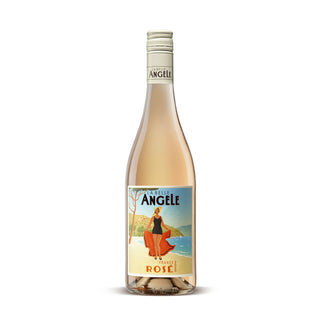
My go-to intro Grenache rosé is La Belle Angèle Rosé from southern France, a blend of Grenache and Cinsaut that is balanced, dry, and elegant. The Belle Époque-inspired label makes it a great gift too.

How to Choose / Similar Grapes
Label tip: "Grenache," "Garnacha," and "Cannonau" are all the same grape with different regional names. Provence AOC rosés have strict quality standards and are a reliable entry point.
Most similar grape: Pinot Noir shares Grenache's lighter tannins and red fruit character, but Grenache thrives in warmer climates and typically reaches higher alcohol levels.
Related guides: What is Rosé Wine? / What is Pinot Grigio?
FAQ
Q. Are Grenache and Garnacha the same grape?
A. Yes. The grape is called Grenache in France, Garnacha in Spain, and Cannonau in Sardinia, Italy.
Q. Is Grenache rosé dry or sweet?
A. Grenache rosé from Provence and Languedoc is nearly always dry. The sweet-rosé perception in Japan comes from lower-priced imports. All rosé at Swirl is dry.
Q. Is rosé made by mixing red and white wine?
A. Almost never. Rosé gets its color from brief skin contact with red grapes, not from blending. The exception is Champagne rosé, where blending is permitted.
Q. Is Grenache only for summer?
A. Chilled dry rosé is perfect in summer, but Provence residents drink it year-round. Grenache-based reds are also excellent with winter meat dishes.
Q. What is the most common mistake?
A. Serving it too warm. Grenache's naturally high alcohol becomes harsh above its ideal serving temperature. Chill rosé to 8–12°C before pouring.
Q. How much does Grenache wine cost?
A. Provence dry rosé typically ranges from ¥1,500 to ¥4,000. SWIRL carries La Belle Angèle Rosé at ¥2,380. Spanish Garnacha reds start under ¥1,000, making them one of the most accessible entry points.
Grenache is loved worldwide but still flies under the radar in Japan. Start with a rosé and discover how many faces this grape can show.


Comments (0)
There are no comments for this article. Be the first one to leave a message!