

Grenache is a red grape variety originating from the Rhône Valley and Provence in southern France, as well as across Spain, and it plays the starring role in rosé wines worldwide. In Spain it goes by "Garnacha," while on Italy's Sardinia it is known as "Cannonau." Its versatility, producing everything from rosé to full-bodied reds adapted to each region's terroir, is part of its charm. When I first moved from Italy to Tokyo, I was surprised by how many people assumed "rosé wine = sweet." One sip of a dry Grenache rosé is usually enough to change that perception.
Debunking the "Rosé = Sweet" Myth
The reason rosé carries a sweet image in Japan is straightforward: most imported rosés on supermarket and convenience store shelves are easy-drinking styles with noticeable residual sugar. However, rosés made from Grenache in France's Provence and Rhône, or Spain's Navarra, are predominantly bone-dry, with residual sugar below 4 g/L. Under EU regulations, anything at or below 4 g/L is classified as "sec" (dry), and the vast majority of Provence AOC rosés meet this standard.
Another common misconception is that rosé is simply a blend of red and white wine. In reality, most rosé is made by briefly allowing red grape skins to contact the juice, extracting just enough pigment to achieve its color. The exception is Champagne rosé; for still wines, blending red and white is prohibited under EU law.
Tasting Profile
Rosé made from Grenache centers on red fruit aromas like strawberry and raspberry, layered with white peach and Provençal herb nuances. Compared to Sangiovese or Pinot Noir rosés, acidity tends to be gentler, giving a smooth, rounded mouthfeel. On the other hand, Grenache grown in warm climates can easily reach 14% ABV, so serving it well-chilled is important to keep the alcohol from dominating. Vinified as a red, it produces full-bodied wines and serves as the backbone of long-aging blends like Châteauneuf-du-Pape.
| Attribute | Rosé Style | Red Wine Style |
|---|---|---|
| Body | Light to medium | Medium to full |
| Acidity | Medium (gentle) | Medium |
| Tannin | Light to negligible | Medium to high |
| Aromas | Strawberry, raspberry, white peach, herbs | Dark cherry, spice, garrigue |
| Serving temperature | 8–12°C | 14–16°C |
| ABV range | 12–14% | 13.5–16% |
What Determines a Rosé's Color? Three Winemaking Methods
The beautiful hue of rosé depends on how long and in what manner the red grape skins stay in contact with the juice. There are three main winemaking approaches, each producing a different color and flavor profile.
Direct press
2–6 hours
Short maceration
6–24 hours
Saignée
12–48 hours
Extended maceration
24–72 hours
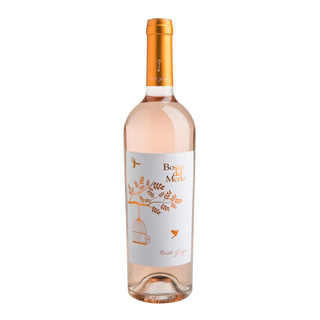
Direct pressing (pressurage direct) involves pressing freshly harvested red grapes immediately, minimizing skin contact. This method is widely used for the pale salmon-pink rosés of Provence, producing wines that are delicate and fresh. Saignée ("bleeding") draws off a portion of juice from a red wine tank early in fermentation, yielding a deeper-colored rosé with more pronounced fruit. Maceration adjusts the soaking time between skins and juice from several hours to several dozen, with longer contact producing darker colors. The Italian "ramato" style, like Bosco del Merlo's Pinot Grigio Rosé, extends this approach by macerating grey-skinned grapes for an extended period.
Regional Styles of Grenache
| Region | Local Name | Style Characteristics |
|---|---|---|
| Provence, France | Grenache | The global benchmark for rosé. Pale salmon-pink, delicate and dry |
| Tavel, France | Grenache | France's only rosé-exclusive AOC. Deeper color, fuller body |
| Southern Rhône, France | Blend-driven | The base grape in weighty reds like Châteauneuf-du-Pape |
| Spain | Garnacha | Fruit-forward. Campo de Borja produces bold single-varietal reds |
| Sardinia, Italy | Cannonau | The "Blue Zone" longevity wine. Robust, tannic reds |
| California, USA | Grenache | GSM blends and full-bodied rosés. Napa offers barrel-aged styles |
The small appellation of Tavel, on the banks of the Rhône, is the only AOC in France permitted to produce exclusively rosé. Beloved by popes since the 14th century, when the papal court sat in Avignon, King Philip IV of France reportedly declared "Tavel is the only good wine in the world." Made primarily from Grenache and Cinsault, with Syrah and Mourvèdre blended in, Tavel rosé stands apart from pale Provençal styles with its deeper salmon hue and firmer body. For anyone who has thought of rosé as a "light wine," Tavel may change that view.
Enjoying Rosé in Japan: Food Pairings
In Japan, rosé is often pigeonholed as "sweet and only for aperitifs," but a dry Grenache rosé is a genuine food wine. Its red-fruit aromas complement dishes while moderate acidity refreshes the palate between bites. Whenever I pair rosé at Tokyo restaurants or home gatherings, people are always surprised by how well it goes with Japanese cuisine.
| Dish | Best Rosé Style | Why It Works |
|---|---|---|
| Yakitori (salt) | Dry Provençal rosé | Herbal notes embrace the simple umami of grilled chicken |
| Prosciutto & mozzarella | Italian rosé / ramato | Fruity acidity cuts through salt and dairy fat |
| Salmon meunière | Medium-bodied rosé | The richness of salmon and red fruit in the wine find equal weight |
| Tempura (with salt) | Sparkling rosé | Bubbles rinse away the oil from the batter, leaving a clean finish |
| Cold shabu-shabu | Well-chilled dry rosé | Ponzu's tang and the wine's acidity resonate together |
| Shrimp chili | Full-bodied Napa-style rosé | Fruit complements the sweet-spicy sauce and softens the heat |
| Chirashi sushi | Dry Provençal rosé | Vinegared rice and rosé harmonize; the wine highlights seafood sweetness |
Even without a wine cellar, 1 to 2 hours in the refrigerator brings rosé to the ideal 8–10°C. In a hurry, 15 minutes in an ice bath does the trick. In summer, keeping the bottle in a wine cooler or ice bucket on the table ensures it stays cold to the last glass. Leftover wine keeps well until the next day with a stopper. People in Provence drink rosé year-round, but it is especially fitting for Japan's hot summers.
Rosé Wines at SWIRL
SWIRL carries a range of distinctive rosés from Italy and California. Tasting across different production methods and origins is the best way to experience rosé's depth. Our Napa Valley Bon Ton Rosé includes Grenache in its blend, offering a direct taste of the grape featured in this guide.
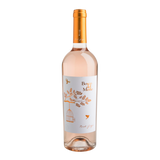

Grenache-blended full-bodied Napa rosé. 6 months in French oak
Napa Valley Bon Ton Rosé 2024Crosby Roamann
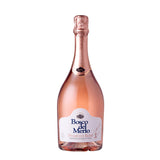
Glera meets Pinot Noir in a sparkling rosé. From toast to main course
Prosecco Rosé Millesimato 2024Bosco del Merlo

Southern French Grenache and Cinsault. Experience this article's star grape
La Belle Angèle Rosé 2022La Belle Angèle

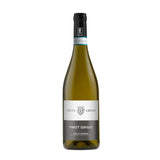
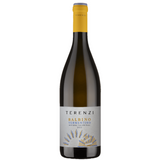
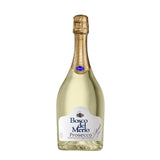
The perfect aperitif. Before your rosé, or instead of it
Prosecco Millesimato Brut 2024Bosco del Merlo
| Wine | Type | Region | Key Grape |
|---|---|---|---|
| Pinot Grigio Rosé | Rosé (ramato) | Veneto | Pinot Grigio |
| Bon Ton Rosé | Rosé | Napa Valley | Petite Sirah, Merlot, Grenache |
| Prosecco Rosé | Sparkling rosé | Veneto | Glera, Pinot Noir |
| La Belle Angèle Rosé | Rosé | Southern France | Grenache, Cinsault |
How to Choose, When to Drink, and Similar Grapes
Reading the label: "Grenache," "Garnacha" and "Cannonau" all refer to the same grape. The name changes by region, so spotting any of these tells you it is a Grenache-family wine. Provence AOC rosés have strict quality standards and make a safe entry point.
If you like rosé, try next:
- Love dry rosé → Pinot Grigio (the same crispness in a white)
- Love fruity rosé → Balbino (Vermentino) (a Tuscan summer white)
- Love sparkling rosé → Prosecco Brut (white bubbles for an aperitif)
- Want to explore rosé further → Rosé Trio Set for a comparative tasting
Comparing similar grapes: the variety closest to Grenache is Cinsault, often blended together in Provençal rosé. Pinot Noir rosé shares the red-fruit character and light tannin, but Grenache is better suited to warm climates and tends toward higher alcohol.
Related guides: What Is Rosé Wine? / What Is Pinot Grigio? / What Is Dry Wine?
Frequently Asked Questions
Q. Are Grenache and Garnacha the same grape?
A. Yes. In France it is called "Grenache," in Spain "Garnacha," and on Sardinia "Cannonau." DNA analysis has confirmed they are the same variety.
Q. Is Grenache rosé dry or sweet?
A. Grenache rosé from Provence and Languedoc is almost always dry, classified as "sec" under EU standards (residual sugar below 4 g/L). The sweet image of rosé in Japan stems from the prevalence of low-cost, sweetened imports on store shelves.
Q. Is rosé wine made by mixing red and white wine?
A. No. Most rosé is made by briefly allowing red grape skins to contact the juice (direct pressing or maceration). Blending red and white is permitted only in rare cases such as Champagne rosé; for EU still wines, it is prohibited by law.
Q. What is the most common mistake with rosé wine?
A. Serving it too warm. Grenache-based rosé can have relatively high alcohol, and above the ideal 8–12°C the alcohol becomes dominant. Chill it in the refrigerator for 1–2 hours, or 15 minutes in an ice bath for a quick fix. Another mistake is assuming rosé does not pair with food. It is excellent with yakitori (salt), salmon meunière, tempura and other Japanese dishes.
Q. When is the best time to drink Grenache rosé?
A. Within 1 to 2 years of purchase. Its appeal lies in fresh fruit flavors, so long aging is not recommended. Tavel AOC rosé is an exception, developing additional complexity over several years. It can be enjoyed year-round, but it is especially suited to Japan's hot summers.
Grenache is one of the most widely planted grape varieties in the world, yet many people in Japan have never heard of it. Consider it your gateway to the world of rosé. Try a bottle, and I hope you will discover just how many faces this grape has.
References: OIV (International Organisation of Vine and Wine) Statistical Report 2024, French Ministry of Agriculture Provence AOC statistics, Tavel AOC official regulations


Comments (0)
There are no comments for this article. Be the first one to leave a message!