

An everyday wine is not a bottle for special occasions, but one you can open casually on a weeknight, where price and flavor are well balanced. The sweet spot is the 2,000 yen range. There are plenty of genuinely good, high-value wines at this price. I am from Italy and have spent years importing and pouring Italian wine in Tokyo, and I believe the everyday table is exactly where wine shines brightest.
"Cheap wine is not good" is a misconception
Many people assume an affordable wine will taste thin or rough. The reality is different. In sunny regions like southern Italy, where the grapes ripen fully, you can make satisfying, fruit-rich wine without heavy intervention. What matters is not the price but whether the wine suits your food and your mood. Even in the 2,000 yen range, you can find a bottle that makes a weeknight dinner feel complete.
How to spot real value
| Point | What to look for in an everyday wine |
|---|---|
| Price band | 1,500 to 2,500 yen (tax incl.) is where satisfaction stretches furthest |
| Region | Southern Italy (Puglia, Sicily) gives richer fruit at the same price |
| Style | Clear fruit with gentle tannin and acidity does not tire you out |
| Versatility | Does it sit happily beside everyday Japanese and Western home cooking |
| Serving temp | Reds slightly chilled at 15 to 18C, whites and sparkling at 6 to 10C |
Value changes with the region
On the same budget, what you get changes by region.
| Region | Strength for everyday drinking |
|---|---|
| Southern Italy (Puglia, Sicily) | Generous sun means rich fruit and real drinkability even in the 2,000 yen range |
| Northern Italy (Veneto) | Prosecco and the like: light, fresh sparkling wine at good value |
| New World (California, etc.) | The fruit is appealing, but the same style tends to cost more |
What underpins the value is the cooperative winery (cantina sociale) common across southern Italy. Local growers pool their grapes and vinify at large scale, which keeps quality up while holding the price down. The abundance of affordable southern Italian wine on Japanese shelves is a gift of this system.
Enjoying it at the Japanese table
An everyday wine proves itself alongside the unfussy food of ordinary days. Fried chicken (karaage) and gyoza love a well-chilled fruity red or sparkling. Sweet-savory Japanese dishes such as hamburg steak or nikujaga sit beautifully with a soft southern Italian red. One tip: chill even reds for 20 to 30 minutes in summer. At Japanese room temperature reds turn warm, and a light chill pulls the fruit into focus and makes them easier to drink.
In Puglia itself, everyday wine is woven remarkably deep into daily life. People carry a large straw-wrapped glass jug called a damigiana to the cooperative winery and have it filled straight from the tank with loose wine (vino sfuso) for just a couple of euros a liter. At home they pour it through ordinary meals. Wine is not something special but a daily staple kept in the house like water or oil. That feeling is exactly the spirit I want in an everyday bottle.
Federico's pick
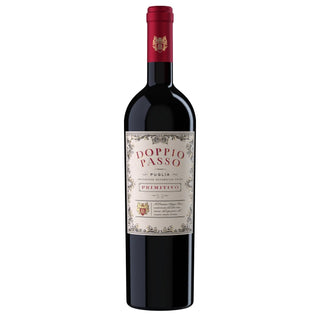
The everyday bottle I most often recommend to newcomers is Puglia's Doppio Passo Primitivo. We import it into Japan first and exclusively. It has the sweet scent of fully ripe fruit and a soft, gentle finish, a level of satisfaction that belies the 2,000 yen range, and it pairs widely with Japanese food. You can check its live stock and price straight from the card below.
To vary by mood: for an aperitivo or fried food, the crisp sparkling Prosecco Millesimato Brut; for seafood and starters, Sicily's Inzolia; and for dessert or a sweet finish, the gently sweet, lightly sparkling Doppio Passo Moscato. All sit in an easy everyday price band.
How to choose and buy
The simplest way not to miss is to picture "this week's cooking" first. For a Japanese table that mixes Japanese and Western dishes, a bottle with clear fruit and gentle tannin and acidity is the most useful all-rounder. When in doubt, start with a southern Italian red or a crisp white or sparkling. Buy a little extra and the weeknight "what shall we drink tonight" gets much easier. See also our guide to choosing wine and our editors' Italian wine picks.
FAQ
Q. What is the difference between a cheap wine and an expensive one?
A. Mostly the amount of work (vineyard and cellar labor, aging time) and rarity. Complexity rises with price, but the fruit and sheer deliciousness you need for daily meals are fully available in the 2,000 yen range.
Q. Which regions give the best value?
A. Puglia and Sicily in southern Italy: thanks to abundant sun and the cooperative-winery system, they offer many rich, satisfying wines at the same price.
Q. Is it fine to chill an everyday red?
A. Yes. Especially in summer, a light 20 to 30 minute chill tightens the fruit and makes it easier to drink. At Japanese room temperature reds turn warm, so a slight chill is my recommendation.
Q. How long does it keep after opening?
A. Recorked and stood upright in the fridge, it stays good for 2 to 3 days. Any wine you cannot finish is also great for cooking.
Q. What is the common mistake?
A. Choosing on price alone. What matters is not the cost but whether it suits that night's food and mood. Start with one bottle, opened casually.


Comments (0)
There are no comments for this article. Be the first one to leave a message!