

The first thing a wine beginner should focus on is not price or expertise, but three simple axes of your own taste: sweet or dry, which type (sparkling, white, rose or red), and light or full. Once you know these three, you are much closer to a bottle you will enjoy, whether in a shop or online. As an Italian importer who pours these wines across Tokyo every day, here is a gentle guide for first-timers on how to choose and how to enjoy.
A common misconception: expensive and heavy does not mean good
The biggest misconception for beginners is that the pricier the better, and that wine is meant to be tannic and heavy. In fact the opposite is true: what suits you at the start is something light and approachable. Wines with firm tannin (the drying, grippy sensation in your mouth) and expensive aged bottles actually reveal their charm after you have a few wines under your belt. Starting with a light sparkling wine or a fruity, light red is the shortcut that looks like the long way around.
The four axes of taste
Being able to put your preference into words makes choosing far easier. These four are all you need.
| Axis | How to read it |
|---|---|
| Sweet to dry | Dry means not sweet, crisp. If in doubt, off-dry is the easiest match for food |
| Type | Sparkling, white, rose, red. Sparkling and white are served chilled, light and beginner-friendly |
| Body (weight) | Light means light, full means heavy. Light to medium is the easiest to drink at first |
| Serving temperature | Chill sparkling and white well at 6 to 10C; a light red is easier to drink lightly chilled at 14 to 16C |
Tannin (the grip) is mainly a red-wine element, and it is gentle in a light red. Acidity is the freshness in the finish, and it is the key to matching wine with food.
Choosing by type: a guide to your first bottle
| Type | Taste | Good for |
|---|---|---|
| Sparkling (such as Prosecco) | Light and lively, off-dry to dry | Anyone who just wants one bottle, starting with a toast |
| Sweet, lightly sparkling (such as Moscato) | Low in alcohol, sweet and gentle | Those who are not big drinkers, or who like it sweet |
| Light white (Pinot Grigio, Vermentino) | Crisp and dry, lemony acidity | Those who want to pair with Japanese food or fish |
| Light red (such as Primitivo) | Full of fruit, gentle tannin | Those ready to try red but wary of anything harsh |
Here is one note from the source. In the Valdobbiadene hills of Veneto in northern Italy, the home of Prosecco, Prosecco is not a special-occasion drink. When someone drops by the house they pour a glass, morning or afternoon, and keep drinking it right through the meal: it is truly the everyday wine of the table. In Japan the image of sparkling equals celebration is strong, but in its homeland it is an unpretentious daily glass. For beginners especially, this relaxed way in is exactly what I recommend.
Enjoying it at the Japanese table
You do not need special dishes for wine. It goes straight onto your everyday meals. Chilled Prosecco with karaage and fried food, a light white with sashimi or grilled fish, a fruity light red with the tare glaze of yakitori or with nikujaga. Even convenience-store snacks are plenty of fun with it.
People often say red wine should be served at room temperature, but that refers to the cool European room temperature of 16 to 18C. In a Japanese summer that is too warm. A light red becomes far easier to drink after just 20 to 30 minutes in the fridge. You do not need a wine cellar. Cork or stopper what you do not finish and keep it in the fridge: about 2 to 3 days for white and sparkling, 3 to 4 days for red. The best way to improve is simply to open one bottle.
Federico's picks: three to start with
The three I most often pour for first-timers are these. All are approachable and none will wear you out.
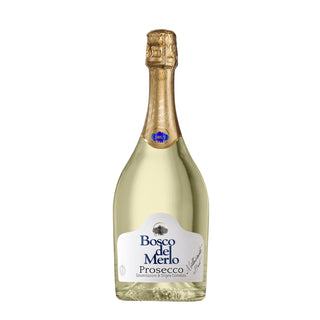
First, Prosecco Millesimato Brut. At 11.5% alcohol it is light, off-dry, with aromas of apple and pear. Chill it well and enjoy it before or with a meal. If you prefer something sweet, try the low-alcohol, gently sweet Doppio Passo Moscato. And if you want to try red, Doppio Passo Primitivo, with its soft tannin and generous fruit, is perfect as an entry.
How to choose, and your next bottle
In a shop, say off-dry and light and you will rarely go wrong. After you drink, jot down the grape variety and region of any bottle you liked, and you will find it easier to pick a similar one next time. For more, see our guide to choosing wine, and if you want to start from sweet and lightly sparkling, the guide to sweet and frizzante wines, for the difference in weight what is wine body, and for temperature the wine serving temperature guide.
Frequently asked questions
Q. Is cheap wine bad for you?
A. Price has nothing to do with whether wine is good or bad for you. Even at around 1,500 to 3,000 yen you can find a bottle that is plenty delicious for everyday drinking.
Q. Should red wine never be chilled? (a common misconception)
A. That is a misconception. A light red actually tastes better lightly chilled. Japanese room temperature is warmer than in Europe, so in summer 20 to 30 minutes in the fridge is ideal.
Q. How long can I drink an opened bottle?
A. Stoppered and in the fridge, about 2 to 3 days for white and sparkling and 3 to 4 days for red. A dedicated stopper keeps sparkling fresh longer.
Q. How much should I buy?
A. Start with one bottle each of different types. With a sparkling, a light white and a light red, you can handle most dishes and moods.
Q. Can I not enjoy it without proper glasses?
A. Proper glasses open up the aromas, but they are not essential. Start casually with the glasses you have at home. Once you get used to it, having one larger glass changes the experience.
Do not overthink it: just open one bottle. I would be glad to help you find your own I like this.


Comments (0)
There are no comments for this article. Be the first one to leave a message!