

Sweet and lightly sparkling wines are easygoing wines to enjoy for their clear sweetness or gentle bubbles. Moscato d'Asti and Prosecco are the classics. Many are light in alcohol too, which makes them a lovely first bottle for anyone new to wine.
Hello, I am Federico. I import Italian wine and pour it for customers in Tokyo every day. People often assume sweet wine is "cheap" or "only for beginners," but that is a real misunderstanding. Today I will walk you through the world of sweet and lightly sparkling wines, with how to choose and what to pour.
A common misconception: sweet does not mean cheap
In Japan there is a tendency to look down on sweet wine as something just for a toast or for people who do not drink much. In its homeland the story is different. Moscato d'Asti from Piedmont, for example, is a finely crafted classic, capped by law at 5.5% alcohol. Once you know that sweetness, the strength of the bubbles, and the level of alcohol are three separate measures, choosing becomes much easier.
Taste profile
| Item | Tendency |
|---|---|
| Sweetness | Gently sweet to richly sweet |
| Acidity | Medium (keeps the sweetness light) |
| Bubbles | None to lightly sparkling (frizzante) |
| Aromas | Muscat, white peach, pear, flowers |
| Alcohol | About 5.5 to 12.5% (a wide range by type) |
| Serving temperature | 6 to 8C (well chilled) |
How the style changes by region
Even within sweet and lightly sparkling, the character shifts by region.
| Region | Style |
|---|---|
| Piedmont (Moscato d'Asti) | Lightly sparkling and sweet, about 5.5% alcohol. Light and fragrant |
| Sicily (sweet Moscato) | Sun-filled, fruity sweetness with a little more body |
| Veneto (Prosecco) | Firm bubbles, restrained sweetness (drier). Crisp and fresh |
The difference in the making is simple. Chill the wine partway through fermentation to stop it, and sugar remains, giving sweetness and keeping the alcohol low (this is how Moscato d'Asti is made). Let a second fermentation happen in the tank, and you get clean bubbles (Prosecco).
Here is one note from the homeland. In Piedmont, Moscato d'Asti was originally a wine the growers made for themselves. Because the alcohol is low, you can drink a glass at lunch and still go back to work in the vineyard in the afternoon. It is the everyday local sweet wine, opened easily at the family table or between rounds of the harvest. I think this is a face of it little known in Japan.
Enjoying it in Japan (food pairings)
Sweet and lightly sparkling wines are surprisingly useful at the table. With spicy food (Thai dishes, mapo tofu, anything with chili), the sweetness softens the heat. They are lovely with fruit, dessert and seasonal Japanese sweets. And for a surprise, pair a sweet wine with salty prosciutto or blue cheese and the result is striking.
In Piedmont it is a Christmas tradition to open a Moscato d'Asti alongside baked treats like panettone and pandoro. A low-alcohol sweet sparkler slips beautifully against the buttery, sweet cake. Sweet wine with sweet food is often avoided in Japan, but locally it is the classic match.
One tip for hot days: chill it well (around 6C) and use a small glass. The alcohol is light, so an afternoon glass feels guilt-free.
Federico's picks
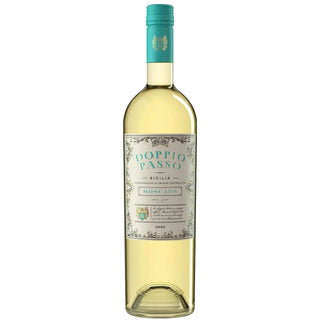
For an easy way to try a sweet wine, one I often pour is Doppio Passo Moscato. It is a fruity, sweet Sicilian white with real sunshine in it, and the price is friendly. Chill it well and it doubles as dessert.
For a proper lightly sparkling sweet wine, reach for Piedmont's Moscato d'Asti: about 5.5% alcohol, with gentle bubbles and elegant sweetness. If you want the bubbles with less sweetness, the drier Prosecco or the pretty Prosecco Rose are great too.
How to choose and serve
When you choose, think in three axes and you will not go wrong. First, sweetness (richly sweet or restrained). Second, bubbles (none, lightly sparkling, or full). Third, alcohol (is it light). Lean toward a richly sweet sparkler for dessert, or a drier Prosecco for an aperitif or with the meal. Chilling well is the single best tip for all of them. Chilled, the sweetness never feels heavy and the wine reads crisp.
A related style is Asti Spumante, which has stronger bubbles. Once you are at home with lightly sparkling Moscato d'Asti, give it a try. See also our full guide to Moscato d'Asti.
Frequently asked questions
Q. Is sweet wine fattening?
A. Sweetness is often equated with high calories, but a low-alcohol sweet wine like Moscato d'Asti is actually on the lighter side. If you are mindful, a small glass is plenty satisfying.
Q. Are sweet and lightly sparkling the same thing?
A. They are separate qualities. Some sweet wines have no bubbles, and some bubbly wines like Prosecco are restrained in sweetness. Choose sweetness and bubbles separately.
Q. Do I have to finish the bottle once it is open?
A. With a sparkling stopper it keeps in the fridge for two or three days. With a lightly sparkling wine you can enjoy a little at a time.
Q. What should I serve it with?
A. Spicy dishes, salty antipasti, fruit and dessert are all sure things. The sweetness softens the heat and the salt of the food.
No need to overthink it. Just chill a glass and start. Sweet and lightly sparkling wines are the gentlest doorway into wine.


Comments (0)
There are no comments for this article. Be the first one to leave a message!