

Lazio wine refers to wines produced in the Lazio region of central Italy, home to the capital Rome. The region is primarily white wine country, with Frascati as its most iconic appellation. One of Italy's first DOC wines (1966), Frascati is produced from indigenous white varieties grown on the volcanic hillside estates of the Castelli Romani southeast of Rome. It has long been called both "the wine of popes" and "the wine of the people" — a rare distinction reflecting its appeal across all social classes.
Common Misconceptions
Lazio wines are often dismissed as cheap restaurant pours, but this misses the region's history. Frascati was the preferred wine of Roman aristocracy, who maintained summer estates in the Alban Hills precisely because the wine there was exceptional. It is also a misconception that Lazio produces only white wine: Cesanese del Piglio, Lazio's only DOCG appellation, is an expressive, tannic red wine made from the indigenous Cesanese grape.
Lazio White Wine Character
| Attribute | Character |
|---|---|
| Body | Light to medium |
| Acidity | Moderately high, clean and fresh |
| Aromas | Citrus, white peach, almond, herbs, mineral |
| Serving temp | 8-12°C |
| Style | Crisp, dry, early-drinking |
Key Wine Zones
| Zone | Representative Wine / Character |
|---|---|
| Castelli Romani (Frascati) | Southeast of Rome. Blends of Malvasia di Candia, Greco Bianco, Trebbiano Toscano. Fresh and crisp with lively acidity |
| Montefiascone (Est! Est!! Est!!!) | Northern Lazio near the Tuscan border. Trebbiano Toscano white. The wine immortalized by a medieval legend |
| Cesanese del Piglio DOCG | Lazio's only DOCG: a serious red from the indigenous Cesanese grape, structured with firm tannins and vibrant fruit |
In the winery, Frascati is produced across a wide spectrum from light and refreshing ("buca" style) to richer, oak-influenced dry styles. Temperature-controlled fermentation is favored for preserving floral and citrus aromas.
Cultural note: The Legend of Est! Est!! Est!!! In the 12th century, a German bishop traveling to Rome sent his manservant ahead to mark "Est" (Latin: "it is [good]") on inns with excellent wine. At Montefiascone, the servant was so impressed by the wine that he wrote "Est! Est!! Est!!!" three times. The bishop loved the wine so much he reportedly stopped in Montefiascone and never reached Rome. This legend, documented in medieval chronicles, lives on as one of Italy's most charming wine origin stories. Frascati itself takes its name from the word "in frascata" — "dwellings of branches" — after Tusculum refugees settled in the area in 1191 AD.
Pairing with Japanese Cuisine
Lazio's crisp white wines are a natural match for Japanese food. The clean acidity and mineral freshness work beautifully with shellfish sashimi (scallop, squid), salt-marinated mackerel (shime-saba), and grilled white fish. They also pair well with cold tofu, chilled pork shabu-shabu, and fresh salads. Their neutral, food-friendly character makes them an easy table wine for multicourse Japanese meals.
Summer serving tip: Serve well-chilled (around 10°C). Pour straight from the refrigerator and enjoy immediately. If you have sparkling, pair it with an aperitivo moment; if still, let it accompany food from start to finish.
Federico's Recommendation
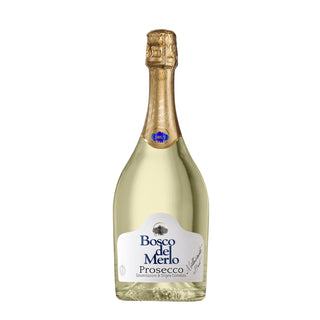
At Swirl, we currently carry a crisp Italian sparkling white wine that captures the same clean, food-friendly spirit as a great Frascati. It is the kind of wine we reach for when a guest says they want a fresh, dry Italian white that works with anything. The refined bubbles and precise acidity make it a versatile entry point into Italian white wine for Japanese tables.
How to Choose and Similar Wines
Look for "Frascati DOC," "Colli Albani DOC," or "Castelli Romani DOC" on the label. Similar in style to Umbria's Orvieto and Tuscany's Vernaccia di San Gimignano. Lazio whites are generally reasonably priced, making them an easy addition to any Italian wine list.
FAQ
Q: What grapes are used in Frascati?
A: Primarily blends of Malvasia di Candia, Greco Bianco (Trebbiano di Soave), and Trebbiano Toscano — all indigenous Lazio white varieties.
Q: What is Est! Est!! Est!!!?
A: A Trebbiano Toscano-based white wine DOC from Montefiascone in northern Lazio, famous for the medieval legend described above. A historical monument in Italian wine culture celebrated by poets and painters for centuries.
Q: Does Lazio produce red wine?
A: Yes. Cesanese del Piglio is Lazio's only DOCG, a serious red made from the indigenous Cesanese grape with firm tannins and vibrant fruit character.
Q: Is Frascati always dry?
A: It ranges from fully dry (secco) to semi-sweet (abboccato). The dry style is most popular and most widely exported.
Q: What Italian food does Lazio wine pair with beyond fish?
A: Mushroom risotto, grilled chicken with herbs, cream-sauce pasta, and the classic Roman dish cacio e pepe all work beautifully with Frascati's clean acidity and mineral finish.


Comments (0)
There are no comments for this article. Be the first one to leave a message!