

The Petaluma Gap is an American Viticultural Area (AVA) in Sonoma County, California, defined by a unique terroir shaped by powerful marine winds from the Pacific Ocean. Officially designated on December 7, 2017, as the nation's 240th AVA, this cool-climate region specializes in Pinot Noir. While largely unknown in Japan, it is gaining recognition among Pinot Noir enthusiasts worldwide for the distinctiveness of its wines.
Common Misconception: California Doesn't Mean Hot
If you picture California wine as big, warm, and fruit-forward, the Petaluma Gap will genuinely surprise you. Marine winds and fog blanket the vineyards daily, and summer temperatures rarely exceed 25°C. The climate is closer to Burgundy or Oregon's Willamette Valley than to Napa. The idea that cold-climate Pinot Noir can grow in California runs against most people's expectations.
Flavor Profile
Look for aromas of red berry (raspberry, rhubarb), black tea, dark chocolate, and crushed red pepper. The tannins are fine and silky, the acidity is vivid, and the finish is long. Overall, an elegant and restrained style.
| Attribute | Profile |
|---|---|
| Body | Medium |
| Acidity | High (cool climate) |
| Tannin | Fine and silky |
| Aromas | Raspberry, red tea, spice, dark chocolate |
| Serving Temperature | 14–16°C |
The Terroir of the Petaluma Gap
The name "Petaluma Gap" comes from a roughly 24-kilometer-wide break in the coastal mountain range that funnels Pacific Ocean air inland from Bodega Bay toward San Pablo Bay. Every afternoon, winds of 40–70 km/h push through this corridor, creating daily temperature swings of 22–28°C. That is the defining characteristic of the Gap.
When local growers petitioned the TTB for AVA status starting in 2015, they built their case specifically around this wind. They collected wind-speed and temperature data from their vineyards to prove a scientifically measurable effect: persistent wind restricts photosynthesis, slowing sugar accumulation. Vines experience a longer hang time than in calmer sites, yet retain lower sugar levels. The result is small, thick-skinned berries with concentrated flavor at moderate alcohol levels. Zero botrytis, zero powdery mildew. In most growing regions, growers protect vines from wind. In the Petaluma Gap, the wind IS the terroir. This is everyday knowledge among local growers, but virtually unknown in Japan.
| Region | Style |
|---|---|
| Petaluma Gap (Sonoma) | Cool, fine tannins, high acidity, spice-driven |
| Russian River Valley (Sonoma) | Silky texture, red fruit, earthy notes |
| Burgundy (France) | Mineral, delicate, long aging potential |
| Willamette Valley (Oregon) | Spicy, high acidity, Burgundy-adjacent |
Many producers use whole-cluster fermentation, which adds spice and complexity alongside the delicate fruit aromas. Neutral French oak barrels are preferred over new oak, keeping the focus on the fruit rather than wood flavors.
Enjoying It in Japan
The Petaluma Gap's bright acidity and fine tannins make it a natural partner for Japanese cuisine. I reach for it with duck teriyaki (a pinch of sansho pepper alongside the wine is ideal), grilled mackerel, and unagi kabayaki, where the wine's acidity cuts cleanly through the richness. Serve at 14–16°C. Too cold and the aromas close up; too warm and the alcohol becomes apparent. Unlike fuller Pinot styles, this is genuinely enjoyable even in summer.
Federico's Recommendation
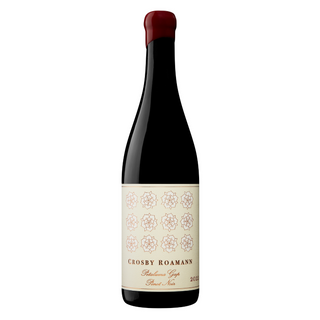
At SWIRL, the Petaluma Gap Pinot Noir I most often pour is the Crosby Roamann Petaluma Gap Pinot Noir 2022. Native yeast fermentation over 14 days, then 17 months in 40% new French oak. Fresh strawberry and rhubarb on the nose, with red tea and black olive tapenade on the finish. A transparent expression of this wind-driven terroir.
How to Choose and Related Styles
A label that says "Petaluma Gap AVA" signals the wind-driven, cool-climate terroir described above. Expect a tighter, more structured wine than a general Sonoma County Pinot Noir. For a broader look at the grape, comparable cool-climate styles include Gamay from Beaujolais and Pinot Noir from Oregon's Willamette Valley.
Frequently Asked Questions
Q. Where exactly is the Petaluma Gap?
A. Sonoma County, California, about 60 km north of San Francisco. It runs from Bodega Bay on the Pacific Coast inland to San Pablo Bay, defined by a roughly 24-km break in the coastal mountains that channels Pacific winds.
Q. Why is the alcohol typically lower than other California Pinot Noirs?
A. Persistent wind limits photosynthesis, slowing sugar accumulation. Grapes hang longer on the vine than in calmer sites, but without building excess sugar. Alcohol levels typically stay around 13–14%.
Q. It's California, so why doesn't it taste heavy?
A. The Petaluma Gap is constantly cooled by Pacific marine air. Same state, completely different environment from inland California appellations.
Q. What is the aging potential?
A. The high acidity means these wines can evolve over 5–8 years. The 2022 vintage is approachable now, but worth revisiting a few years from now for added complexity.
The Petaluma Gap is a region that rewards curiosity. It challenges everything you expect from a California Pinot Noir. Try it alongside a Japanese dish and see where the wind takes you.


Comments (0)
There are no comments for this article. Be the first one to leave a message!